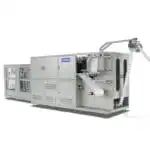
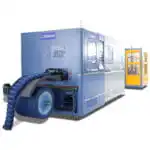
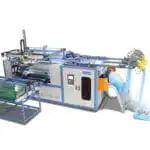
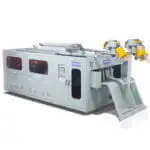
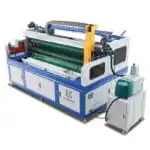
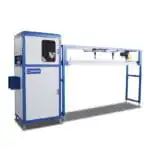
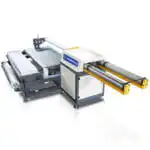
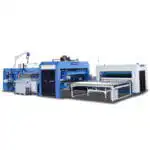
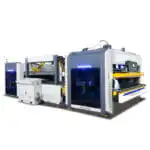
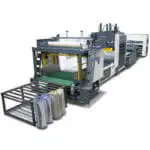
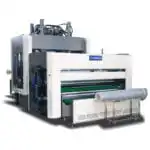
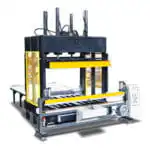
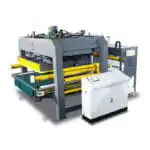
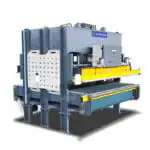
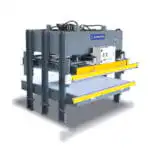
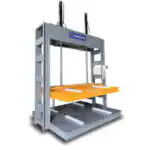
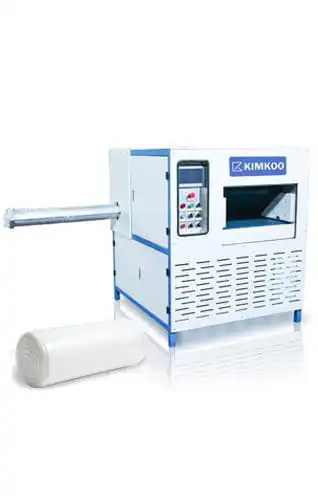
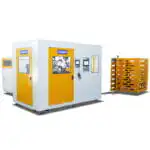
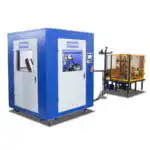
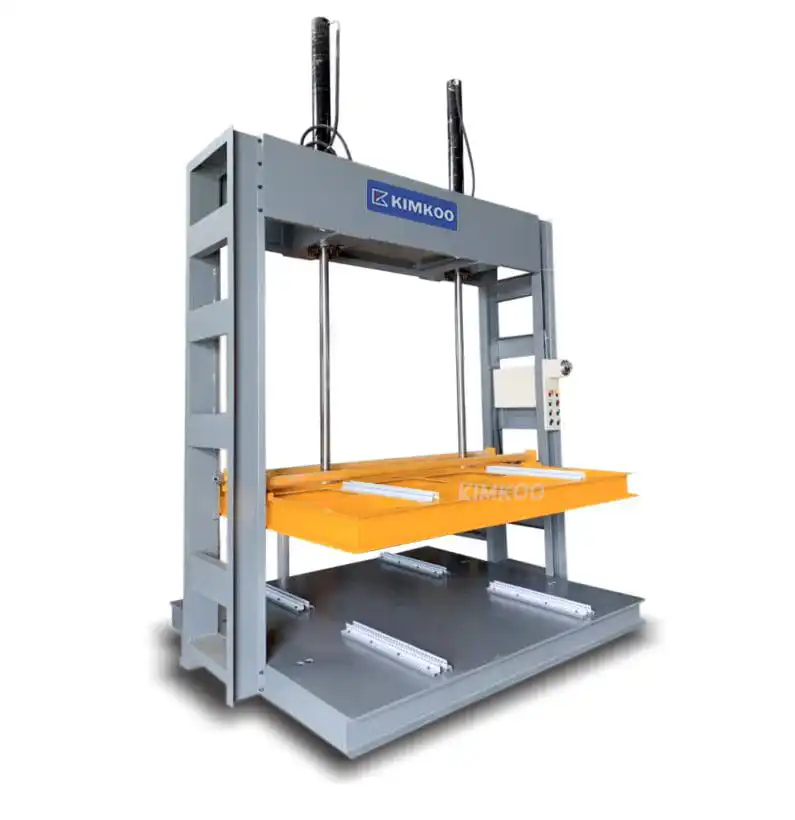
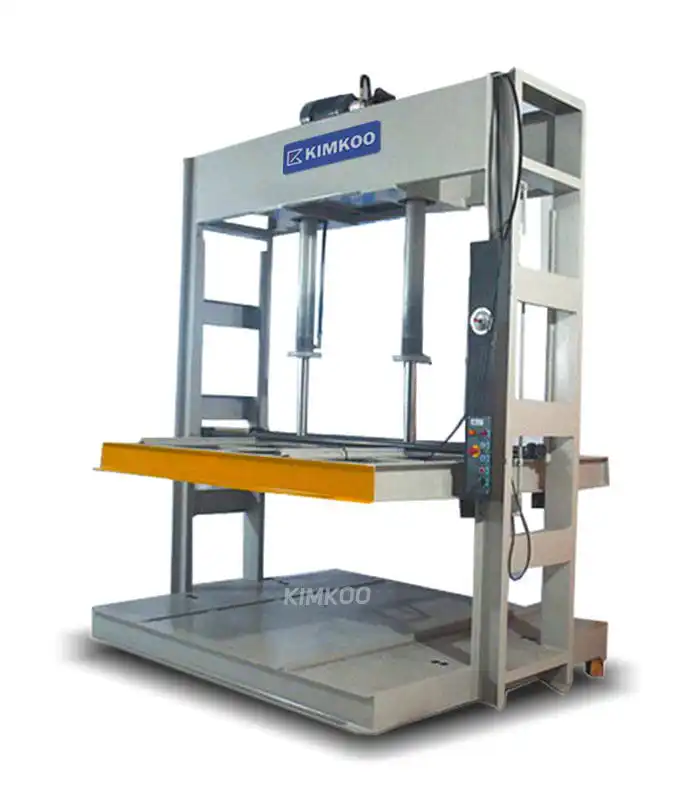
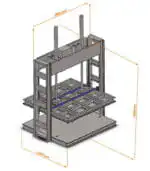
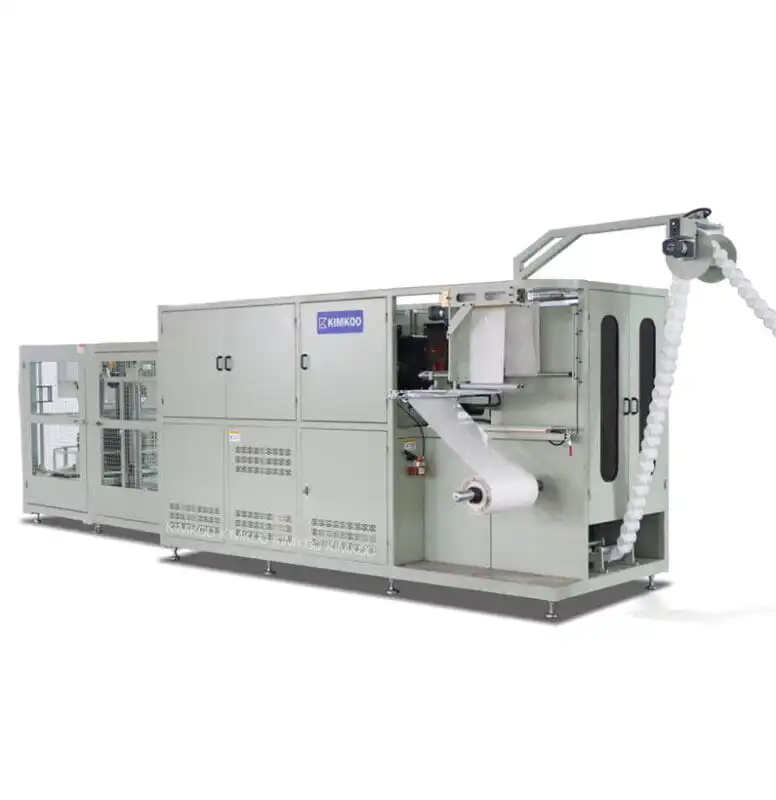
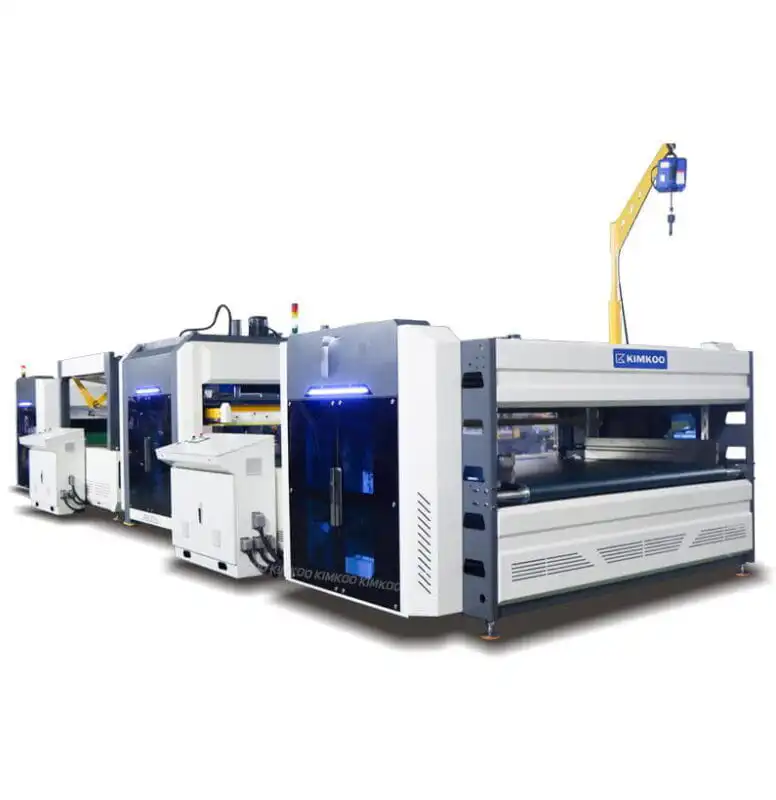
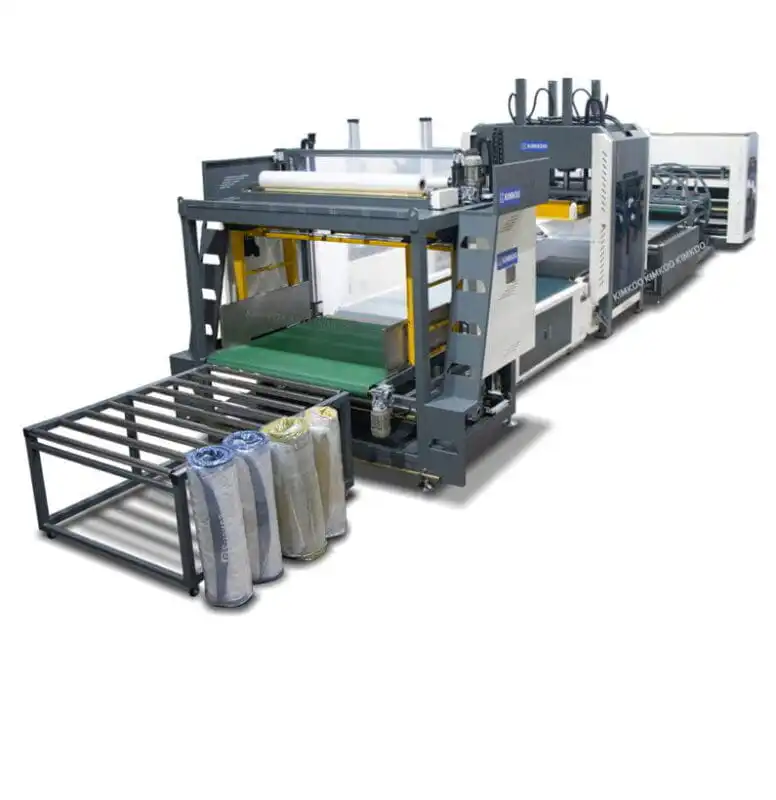
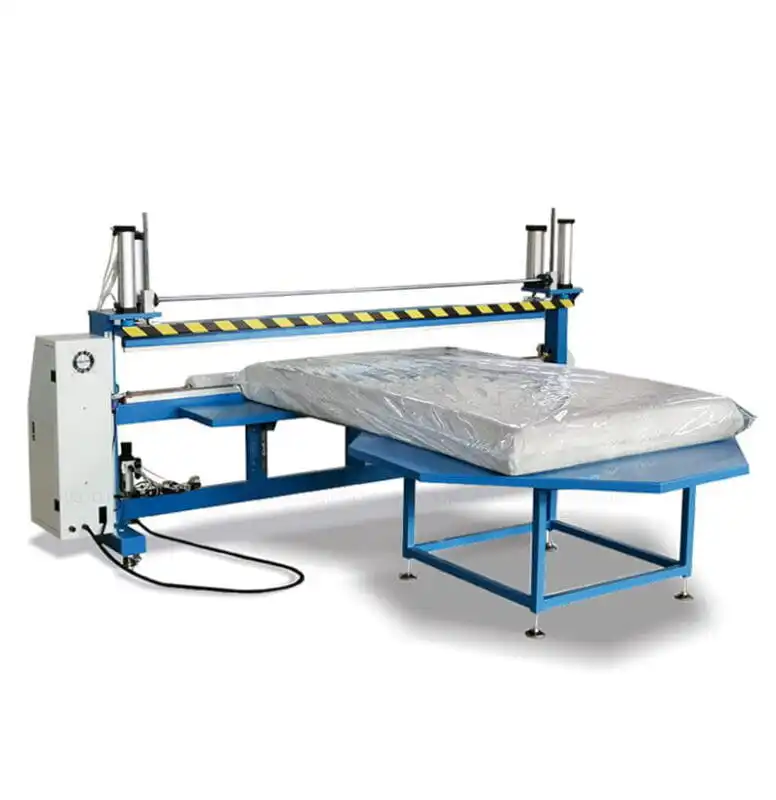
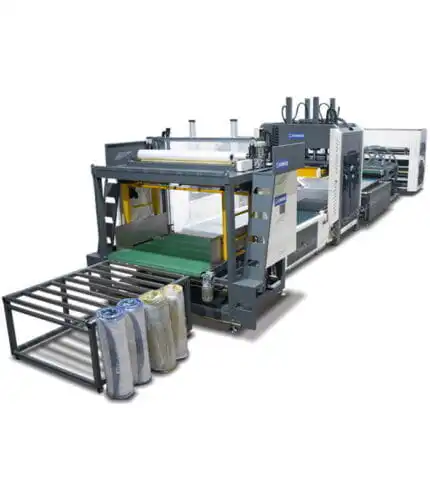
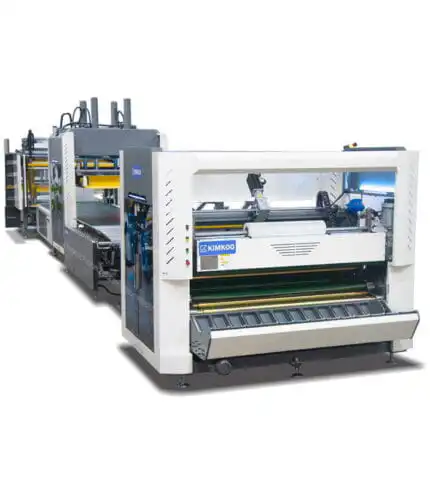
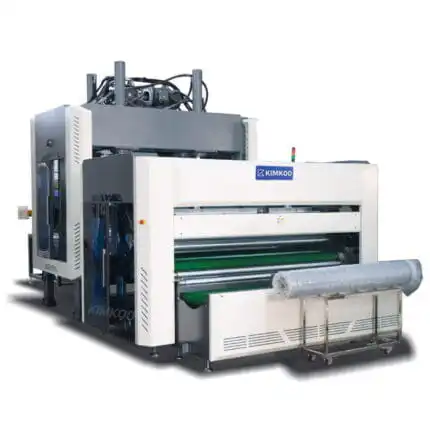
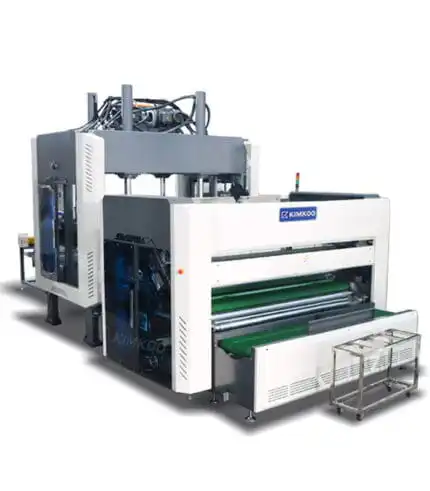
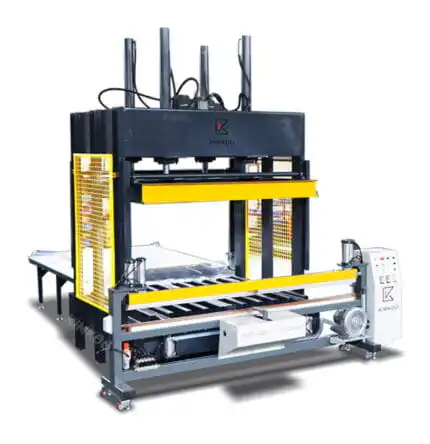
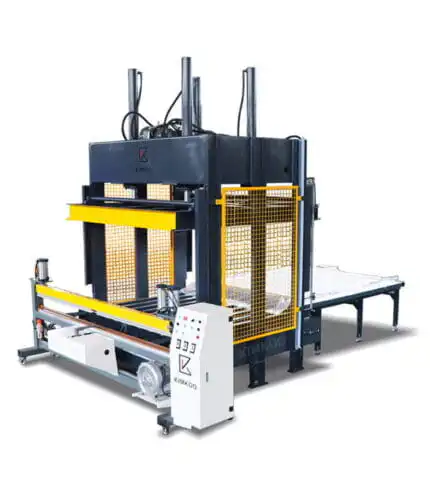
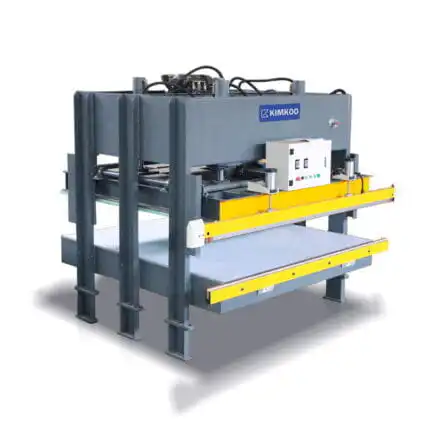
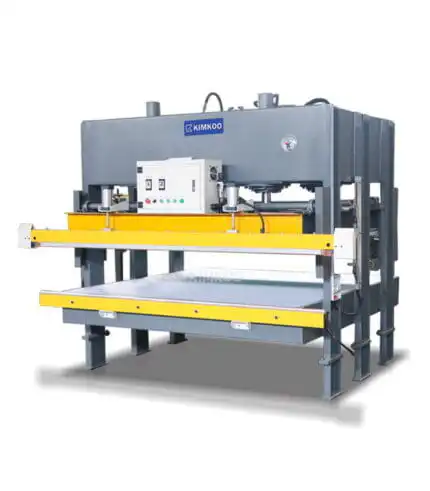
Mattress Secondary Compression Machine

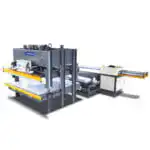
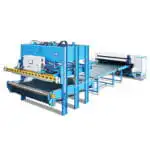
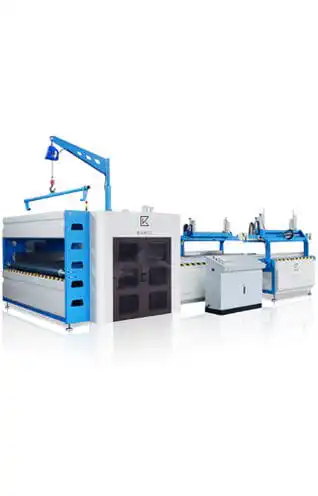
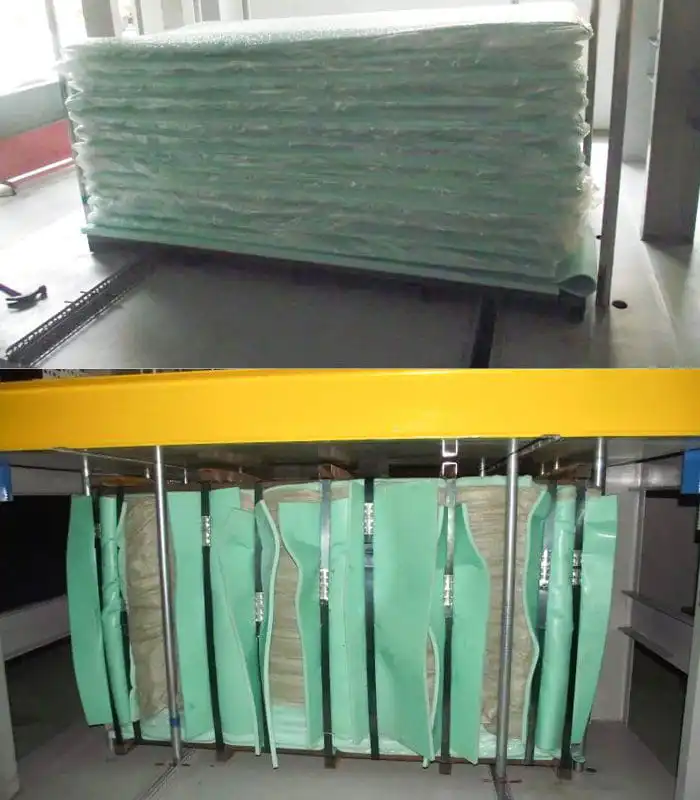
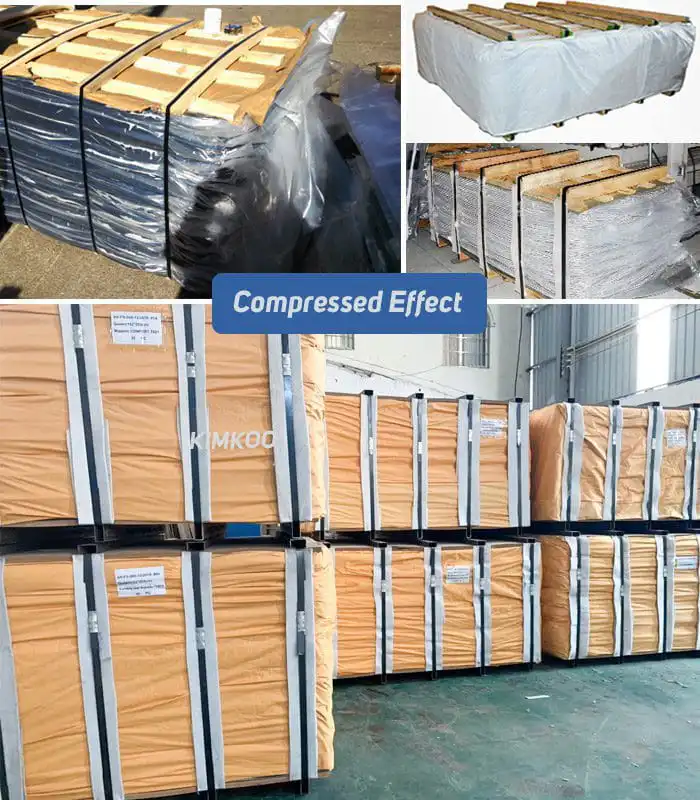
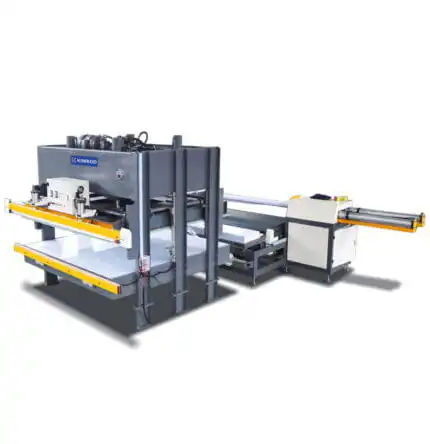
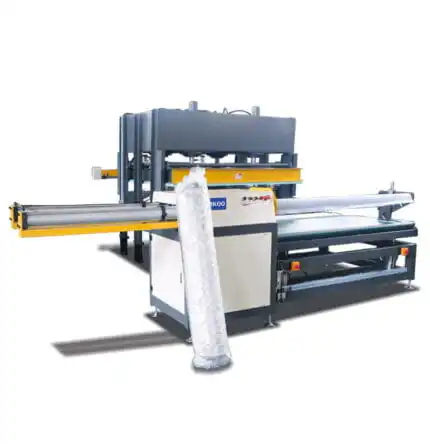
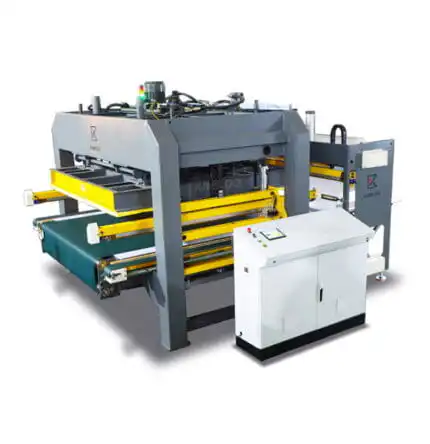
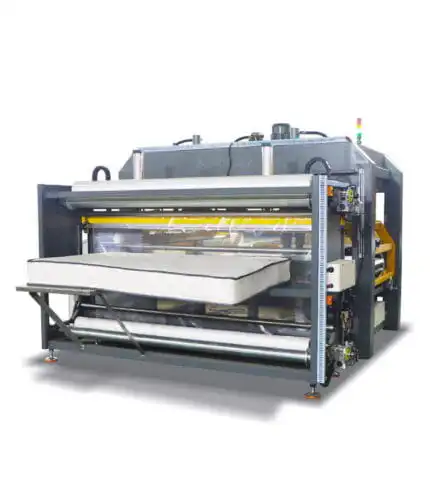
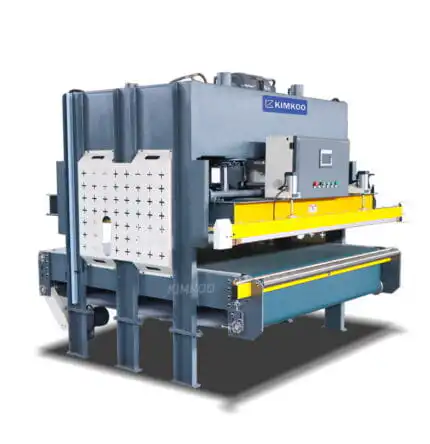
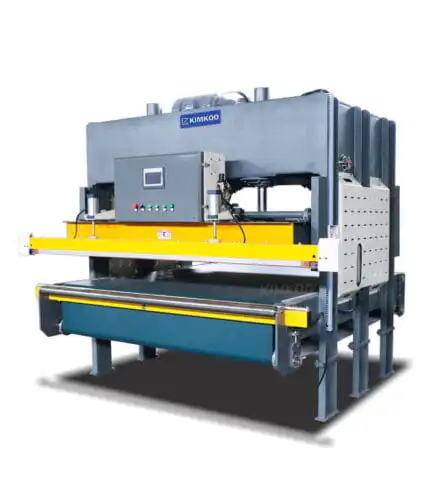
The secondary mattress compression machine is used after initial compression and stacking. It performs additional pressing to further reduce mattress volume. A wooden frame is used to hold mattresses firmly in place, preventing rebound during transport. This ensures better packaging stability, space savings, and safer delivery.

Description

Mattress Secondary Compression Machine – Enhanced Space-Saving Solution for Mattress Packaging

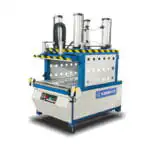
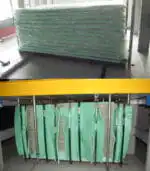
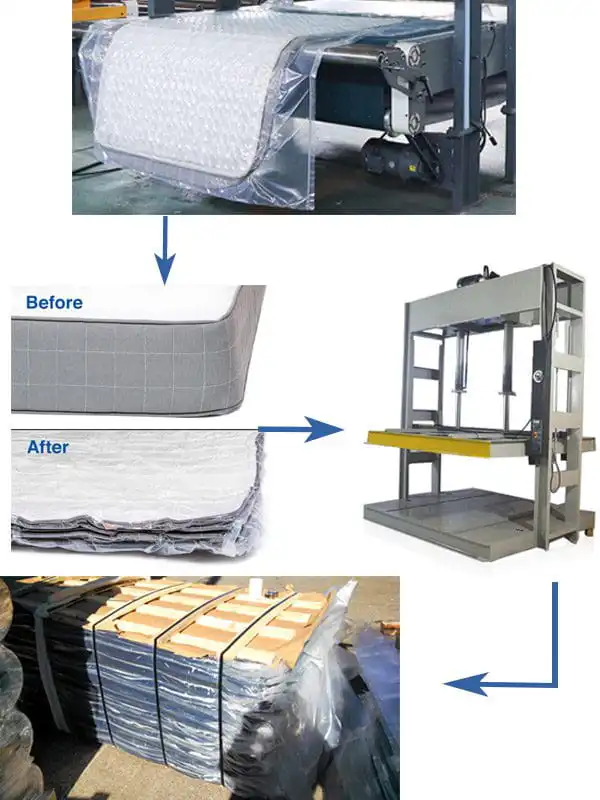
The Mattress Secondary Compression Machine is designed for the second-stage compression of pre-compressed mattresses. After the initial compression and heat-sealing process using the JK-C1 Mattress Compression Machine, multiple flattened mattresses are stacked into a wooden frame box. This machine (JK-C2) then performs a second compression, significantly reducing the total volume and securing the shape for safe transport and storage.

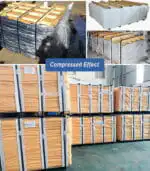
By compressing mattresses a second time within a wooden frame, the machine ensures a tighter, more compact bundle. This not only improves the aesthetics and space efficiency but also prevents mattress rebound caused by air leakage in the compression bag. The shape-protective wooden frame holds the mattresses firmly in place, making the package more stable and easier to handle upon delivery.

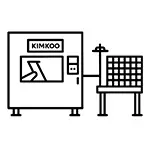
how the secondary mattress compression machine work

Features

  1. Maximum Volume Reduction: Secondary compression further minimizes the volume of stacked mattresses, ideal for cost-effective storage and transportation.
  2. Improved Stability: The wooden frame prevents rebound and maintains the mattress shape during transit.
  3. Easy to Operate: Simple, safe, and efficient operation with minimal training required.
  4. Customizable Pressure Plate: The pressure plate size can be tailored to customer needs and disassembled into five parts for space-saving during container loading.
  5. Versatile Compatibility: Suitable for all types and sizes of mattresses, regardless of thickness or material.
  6. Reliable Electrical Control System: Built-in professional-grade control system ensures stability and safety throughout the process.
  7. Optimized for Packaging Efficiency: Works seamlessly with the JK-C1 compression machine as a complete solution for high-volume mattress packing lines.

Technical Specification

Model

JK-C2

Oil Pump Power

7.5KW

Max. Compression Force

50Tons

Compression Plate Dimensions

2100mm × 2300mm

Lifting Stroke of The Press Plate

900 mm ~ 2200 mm

Voltage

 380V 50Hz (Customizable)

Total Weight

3000 KG

Machine Dimension (L,W,H)

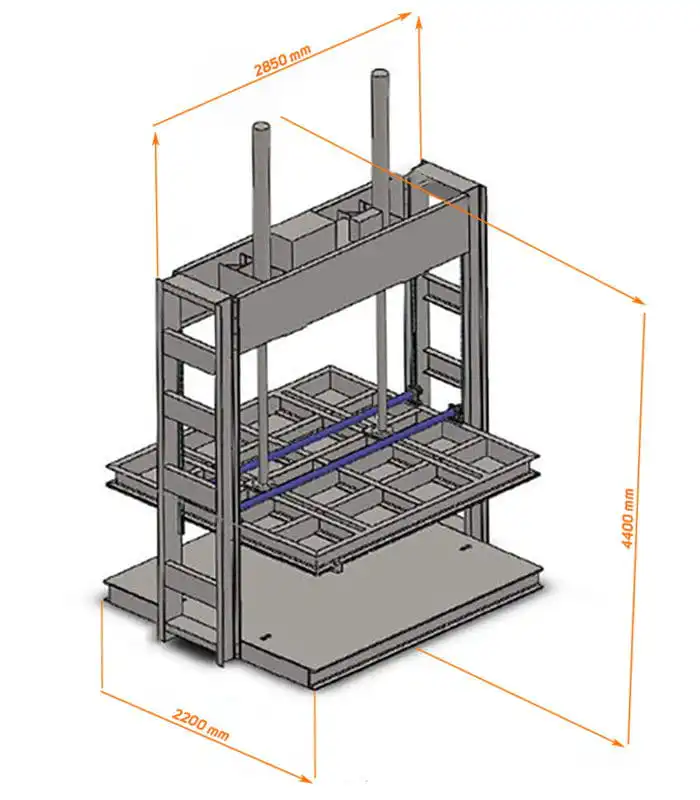
2850mm × 2200mm × 4400mm

About brand
KIMKOO

KIMKOO is a professional brand specializing in the development and manufacturing of mattress machinery. We focus on delivering high-efficiency, intelligent automation solutions for the mattress industry. Our product range covers pocket spring machines, mattress packaging machines, tape edge machines, sofa, foam & mattress compression packing machines, mattress sealing machines, pillow packaging machines, bonnell spring machines, and foam cutting machines — all designed for high performance, long-term reliability, and maximum production value.

At KIMKOO, we provide more than machines—we deliver complete solutions. From custom design to technical support and after-sales service, our team helps clients improve efficiency and reduce production costs. KIMKOO’s machines are trusted by mattress manufacturers across Europe, Asia, the Middle East, Africa, North and South America, offering global support with local care.

Pocket Spring Machines

Mattress Packaging Machines

Sofa, Foam & Mattress Compression Packing Machines

Mattress Sealing Machines

Tape Edge Machines

Pillow Packaging Machines

Foam Cutting Machines

Bonnell Spring Machines

Shipping & Delivery

Shipping & Delivery

When you plan to ship goods from our factory to your location, there are a few important aspects to consider in terms of transport options, delivery times, costs, and payment methods. Here is an overview of the shipping process:

Shipping & Delivery

Shipping Ports and Delivery Timeline

Our nearest export port is Shenzhen Port. Depending on the destination port, the shipping duration can vary. You can inquire with your freight forwarder to determine the exact transit time and costs from Shenzhen to your port. For general reference, shipping by sea typically takes anywhere from 10 to 30 days, depending on the distance, shipping line, and specific routes. We also have established partnerships with reliable freight forwarders, but you're welcome to work with your own agent if you have preferred contacts.

Shipping Methods: Sea Freight, Land Freight, and Air Freight

Ocean Freight
Land Freight
air transport
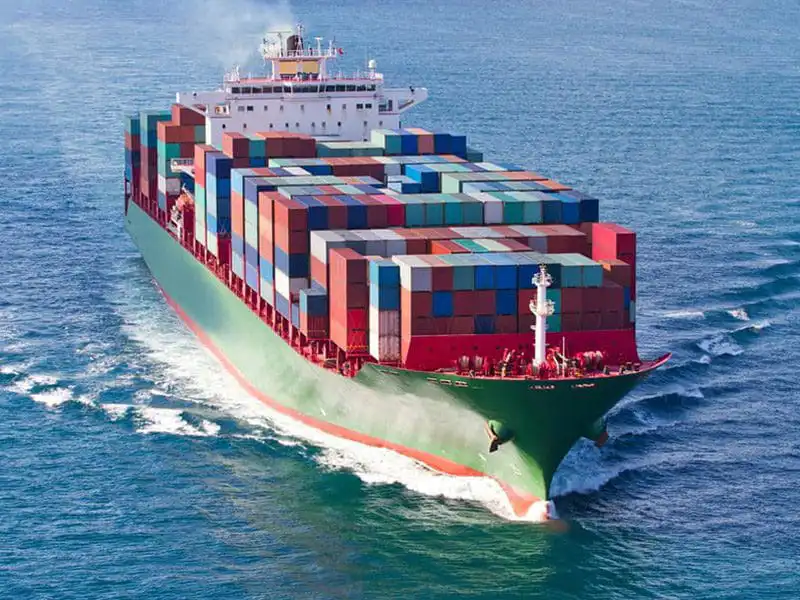
  1. Sea Freight: The most common shipping method for our machinery is sea freight. This is typically the most cost-effective option, especially for bulk or heavy machinery. For regions and countries with limited or less efficient sea transport infrastructure, land freight might be used.
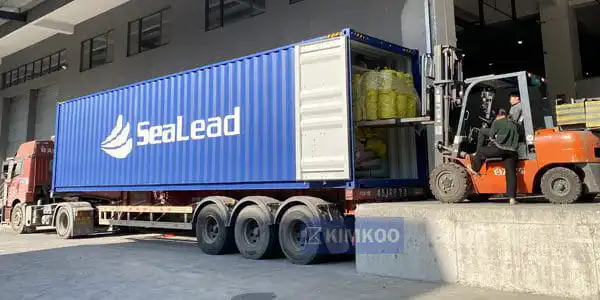
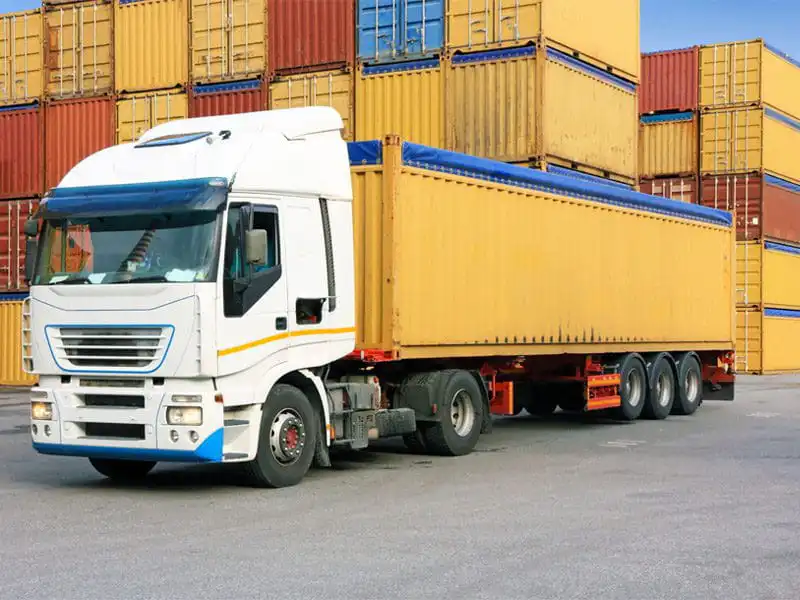
  2. Land Freight: For certain countries or regions with suitable transport networks, we may consider land freight for smaller equipment. This can be a viable alternative for locations where sea freight is less practical.
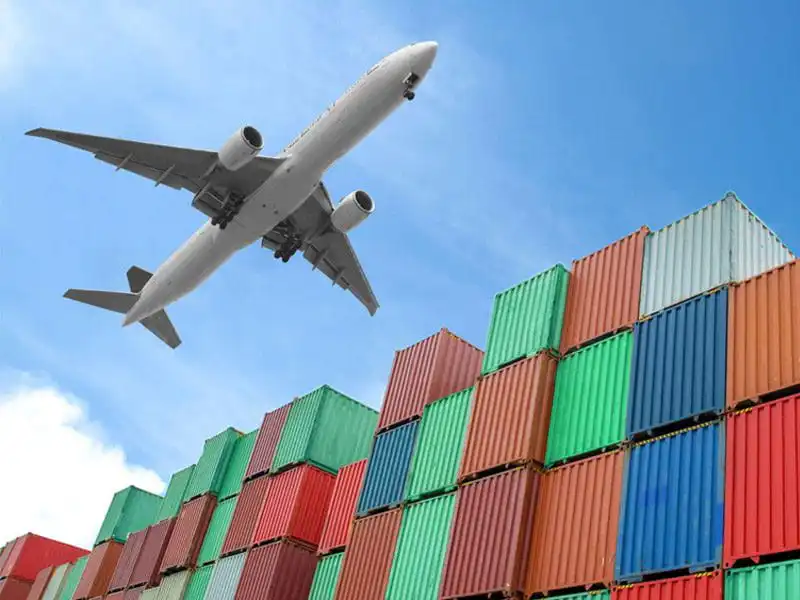
  3. Air Freight: While air freight is faster, it is much more expensive, and due to the size of our machinery, it is generally not a viable option. As much as we wish, our large equipment is simply too big to fit on an airplane!
Types of Containers for Shipping

  • Less-than-Container Load (LCL) – Shared Containers: Smaller equipment may be shipped via LCL (Less-than-Container Load). This method allows multiple shipments from different customers to share the same container, reducing costs. However, fumigated wooden crates are mandatory for LCL shipments, as per international regulations, to protect against pests and other environmental risks.
  • Full Container Load (FCL) – Dedicated Containers: For larger machinery, FCL (Full Container Load) shipments are the preferred method. This includes both 20-foot containers and 40-foot containers, depending on the size of the equipment. Choosing the right container size is critical to optimizing shipping costs and ensuring safe delivery.
Freight Forwarding

Freight Forwarding Options

  • Using Our Partnered Freight Forwarders: If you choose to work with one of our trusted freight forwarding partners, you can ask our sales manager for the FOB, CIF, EXW, CFR, or DAP pricing. We will provide competitive quotes based on your specific shipping requirements, and our partners will handle the logistics and transport.
  • Using Your Own Freight Forwarder: If you prefer to handle the shipping through your own agent, feel free to reach out to your regular freight forwarder to get a quote. You can work directly with them for the best possible rates and shipping options.

Payment Terms

We offer several flexible payment methods to suit your business needs:

  1. T/T (Telegraphic Transfer): The most common method for international transactions, where you pay via bank transfer.
  2. L/C (Letter of Credit): A secure payment method, often used for larger transactions to ensure protection for both parties.
  3. D/A (Documents Against Acceptance): A payment term where you pay after receiving the shipping documents.
  4. M/T (Mail Transfer): A variation of the T/T method where payments are made via mail.
  5. D/D (Demand Draft): A form of payment where the bank guarantees the amount to be paid.
  6. CASH: For smaller transactions or if preferred by both parties.
  7. Contact us other terms possible
Payment Terms