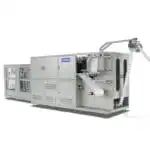
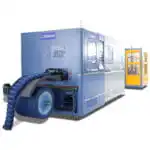
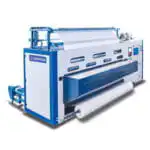
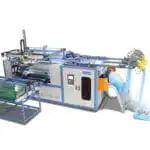
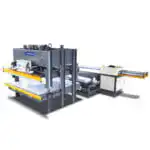
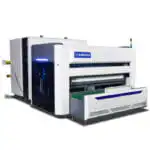
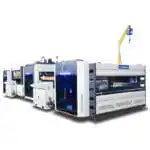
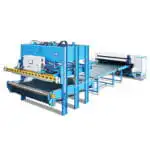
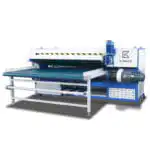
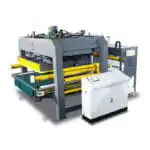
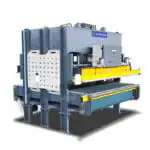
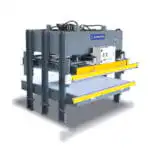
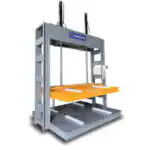
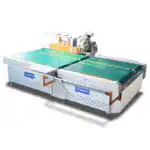
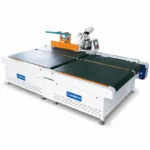
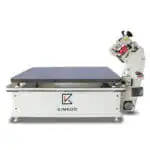
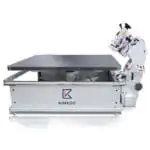
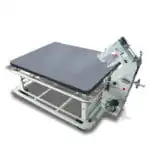
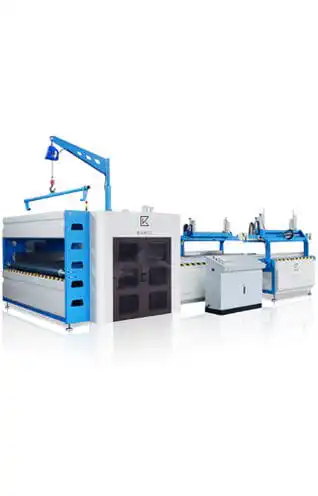
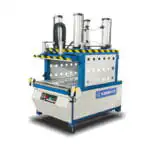
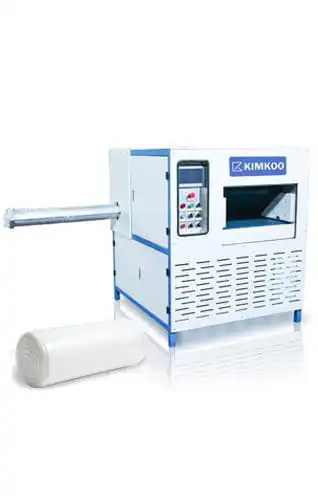
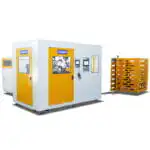
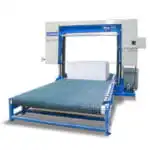
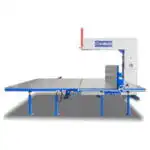
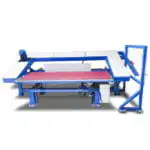
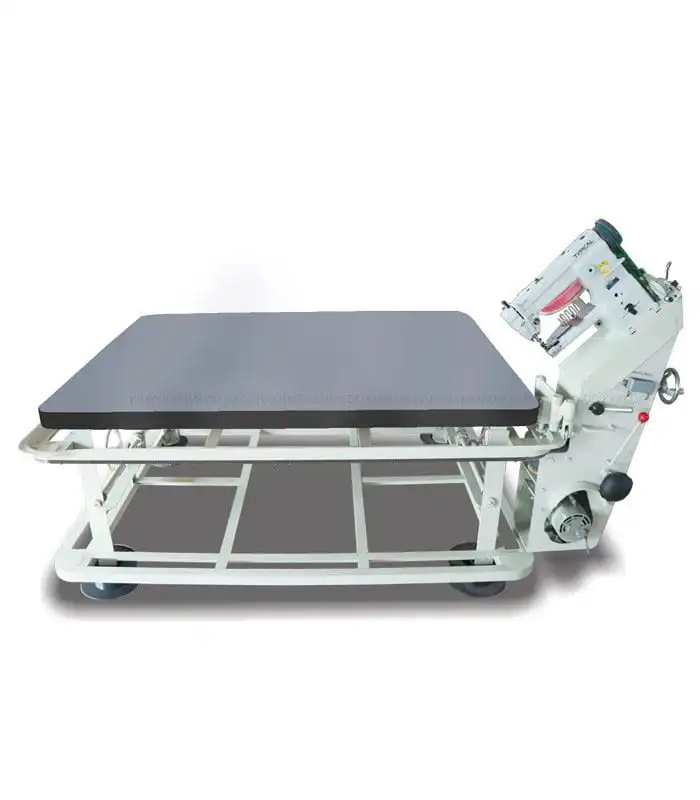
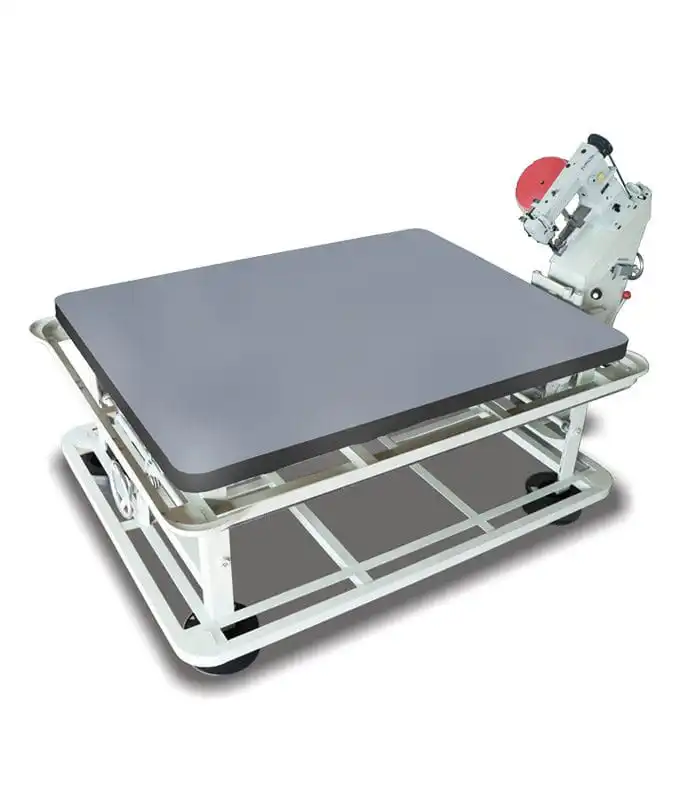
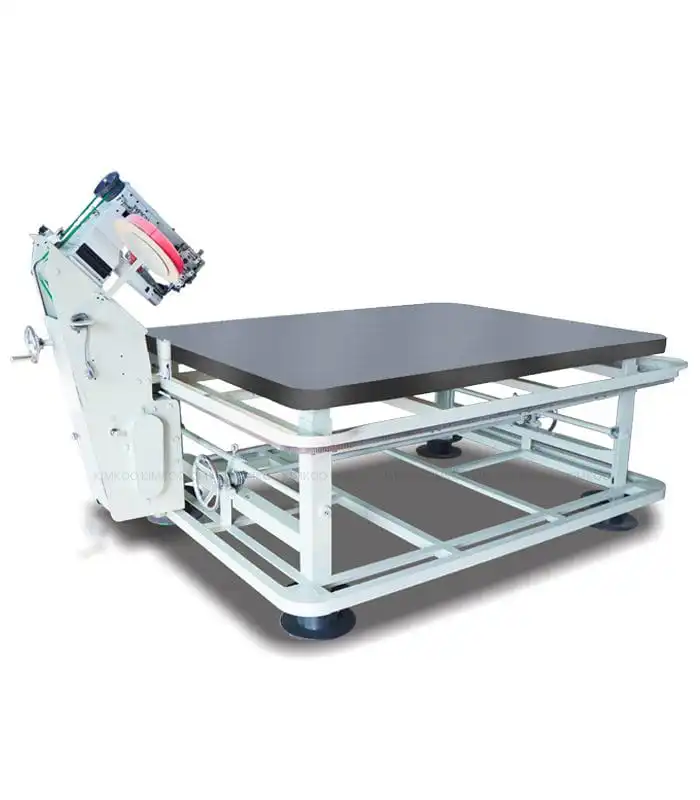
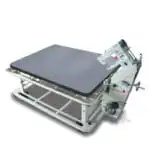
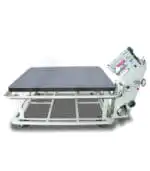
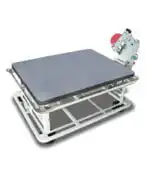
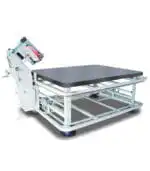
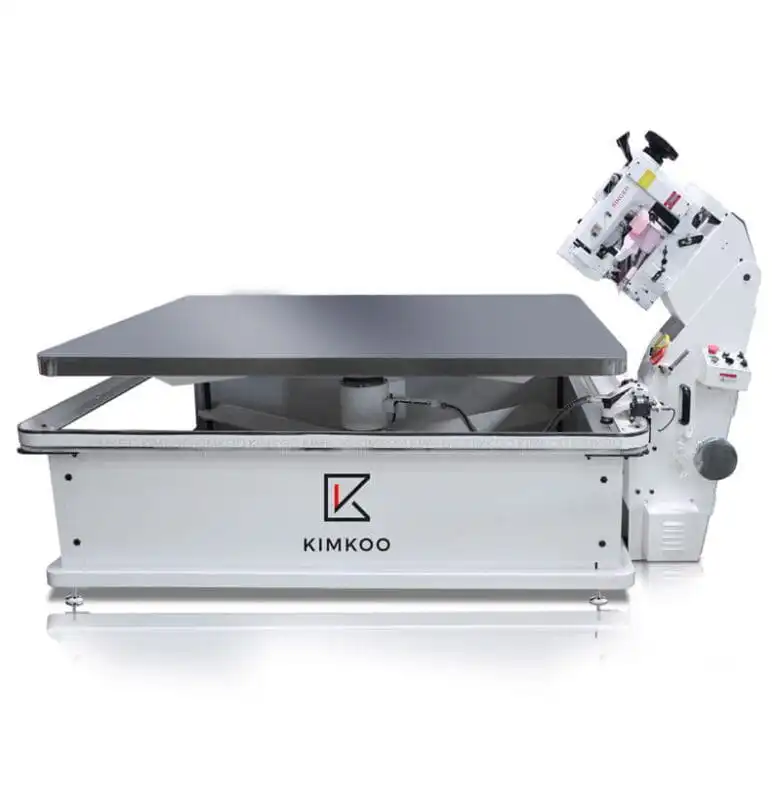
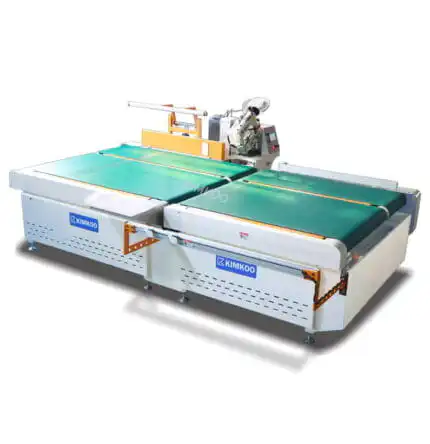
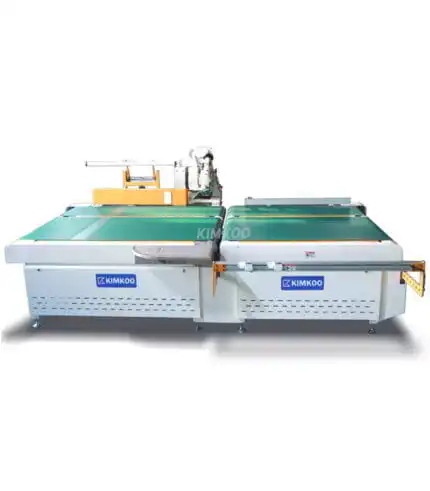
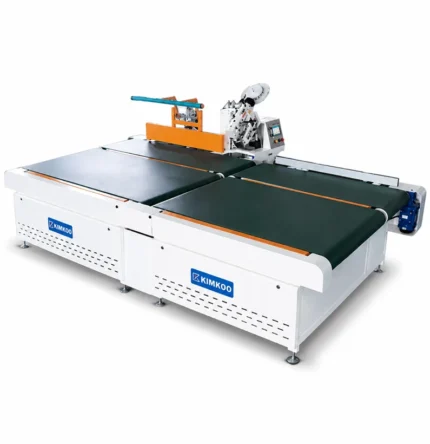
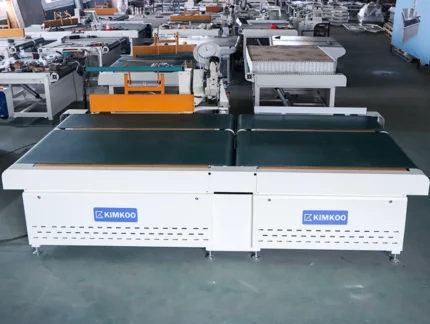
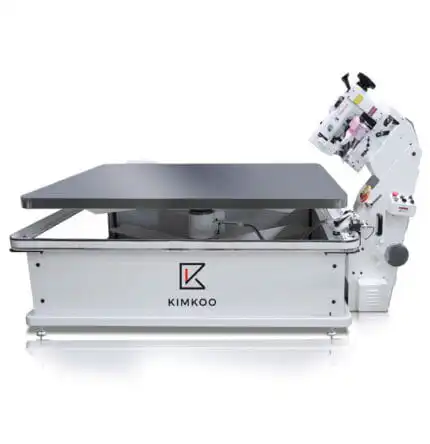
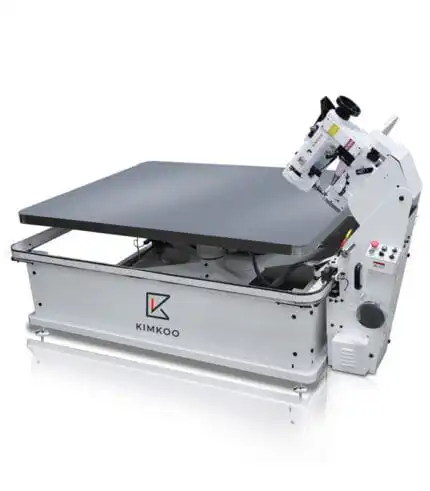
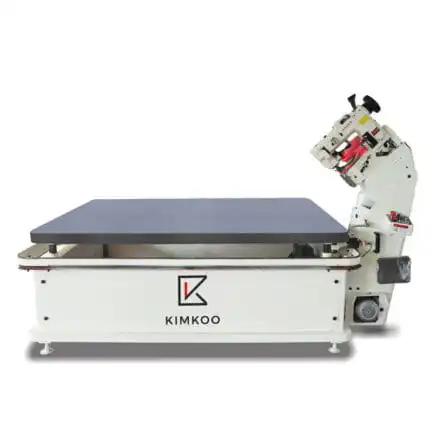
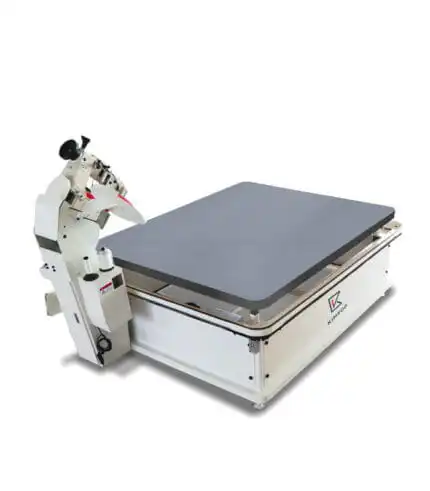
Manual Mattress Tape Edge Machine (lock stitch)

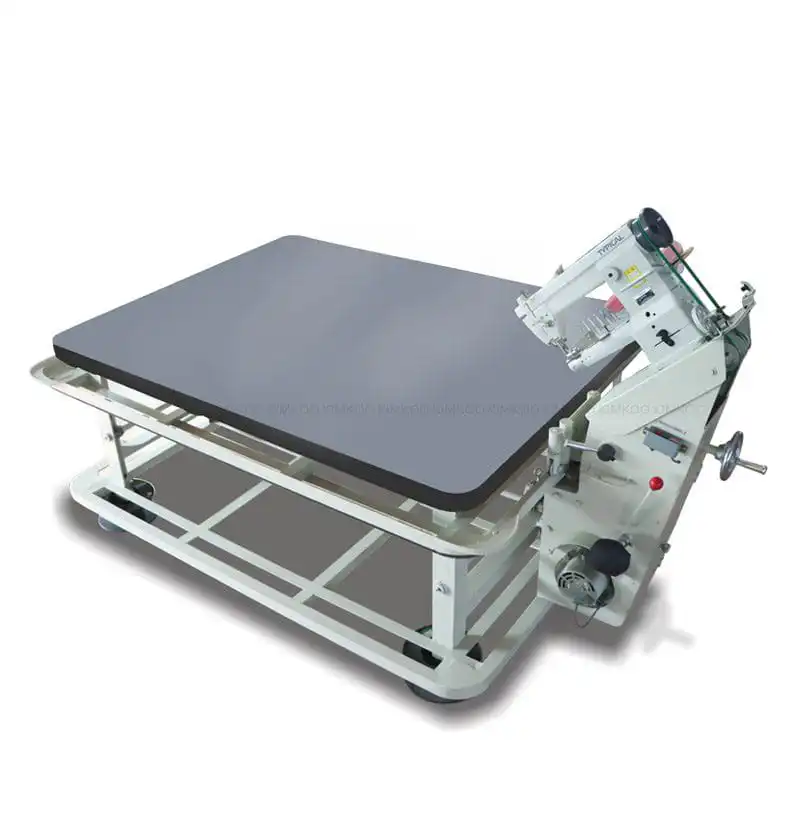
This manual mattress tape edge machine is designed for stitching the edges of mattresses with high precision using the lock stitch technique. It also offers excellent versatility for sewing other soft items such as bed quilts, sofa cushions, and sleeping bags.

Description

This manual mattress tape edge machine is designed for stitching the edges of mattresses with high precision using the lock stitch technique. It also offers excellent versatility for sewing other soft items such as bed quilts, sofa cushions, and sleeping bags.

Built for hands-on control, this machine features a manually adjustable sewing head and table. Operators can easily raise or lower the workbench and set the desired sewing head angle using a smooth hand-crank system. This flexibility allows for accurate positioning and optimal sewing conditions across a variety of materials.

Lock Stitch Sewing

The machine uses a lock stitch sewing method—recognized for its durability and secure seam structure. Unlike a chain stitch, which can unravel if the thread breaks, a lock stitch tightly interlocks the upper and lower threads, creating a strong and permanent seam that holds up over time. While chain stitches offer flexibility and decorative potential, the lock stitch is the ideal choice for long-lasting structural sewing, especially for mattress tape edging.

Sewing Head Options

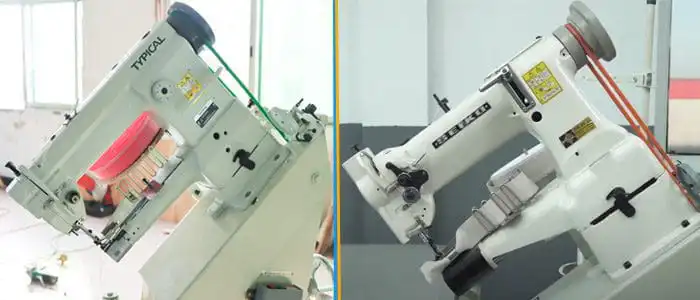
Comes equipped with a reliable Typical or Seiko sewing head, known for stable and smooth stitching.
typical & seiko sewing head

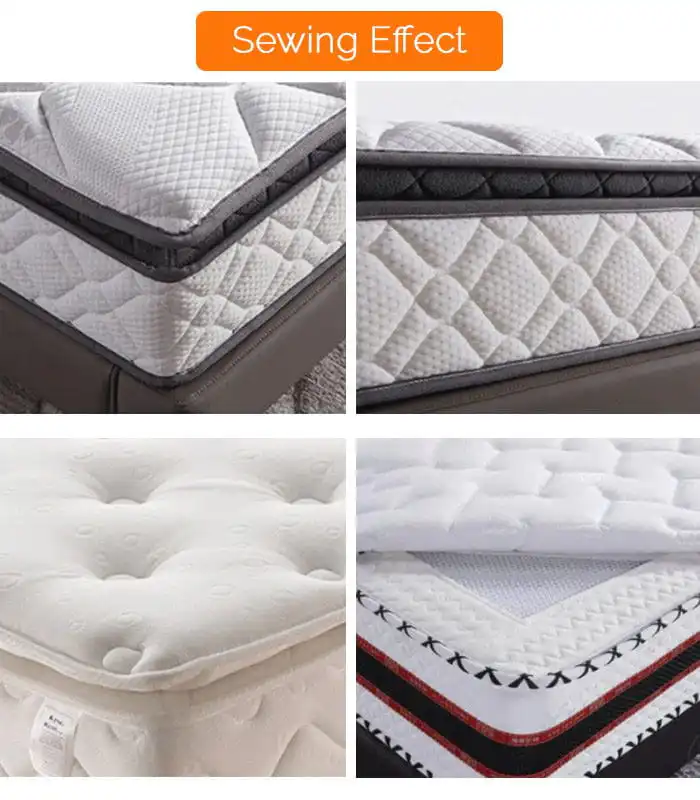
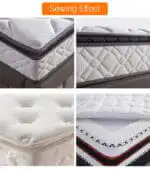
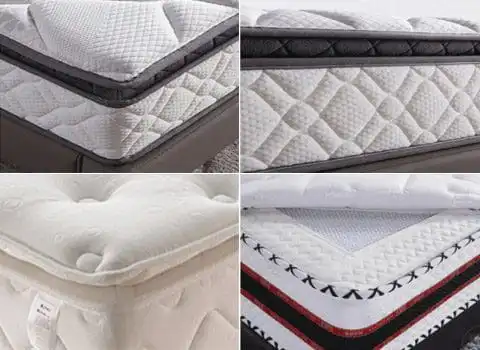
Sewing Effect

mattress sewing effect

Features

  1. Sewing Head Options: Comes equipped with a reliable Typical or Seiko sewing head, known for stable and smooth stitching.
  2. Manual Lift Head and Table: Allows for manual adjustment of both the sewing head angle and the workbench height for precision alignment.
  3. Efficient Production Rate: Handles an average of 8–12 mattresses per hour.
  4. High Precision Guide Rail: Ensures accurate, consistent stitching across the sewing path.
  5. Adjustable Sewing Speed: Speed control allows for smooth operation and automatically slows down at corners to improve accuracy.
  6. Stable and Quiet Operation: Designed to minimize noise and vibration, providing a more comfortable work environment.
  7. User-Friendly Controls: Intuitive operation makes it easy for both beginners and experienced users to work efficiently.
  8. Affordable Pricing: Offers excellent value with professional-grade performance at a competitive cost.
  9. Customizable Options: The machine setup can be tailored to meet specific customer requirements.

Technical Specification

Model

JK-T1

Sewing Efficiency

8-12 pcs/hour

Sewable Mattress Thickness

20mm - 500mm

Workingtable Lifting Range

0mm - 280mm

Working Table Size(L, W)

2000mm × 1600mm (Customizable)

Sewing Head Option

TYPICAL or SEIKO

Certification

RoHS, ISO, CE

Voltage

Single-Phase, 220V 50Hz (Customizable)

Total Power

1.5KW

Total Weight

380KG

Machine Dimension (L,W,H)

2350mm × 1400mm × 1620mm

Kimkoo Brand
KIMKOO

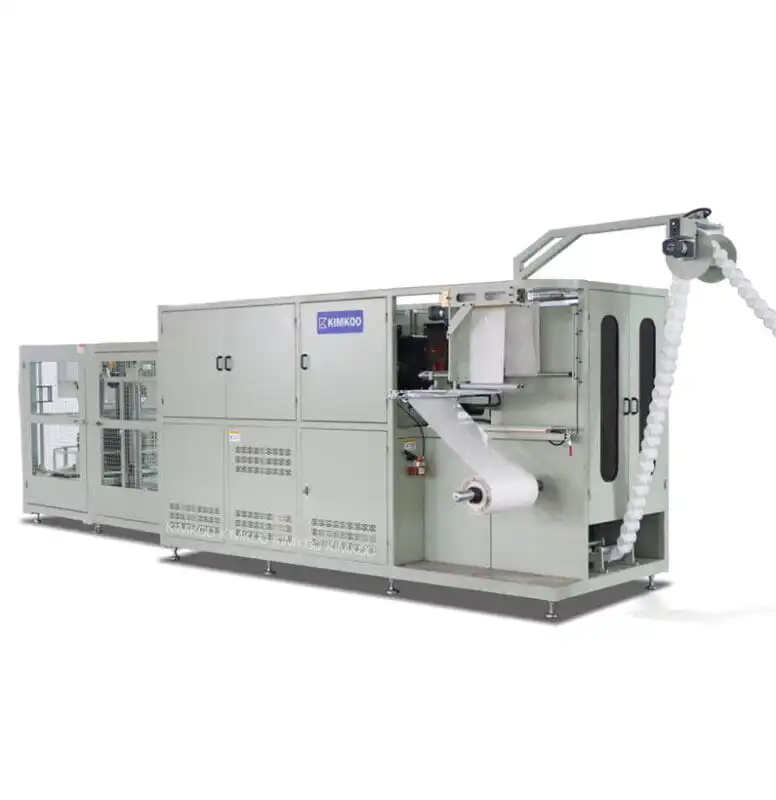
KIMKOO is a professional brand specializing in the development and manufacturing of mattress machinery. We focus on delivering high-efficiency, intelligent automation solutions for the mattress industry. Our product range covers pocket spring machines, mattress packaging machines, tape edge machines, sofa, foam & mattress compression packing machines, mattress sealing machines, pillow packaging machines, bonnell spring machines, and foam cutting machines — all designed for high performance, long-term reliability, and maximum production value.

At KIMKOO, we provide more than machines—we deliver complete solutions. From custom design to technical support and after-sales service, our team helps clients improve efficiency and reduce production costs. KIMKOO’s machines are trusted by mattress manufacturers across Europe, Asia, the Middle East, Africa, North and South America, offering global support with local care.

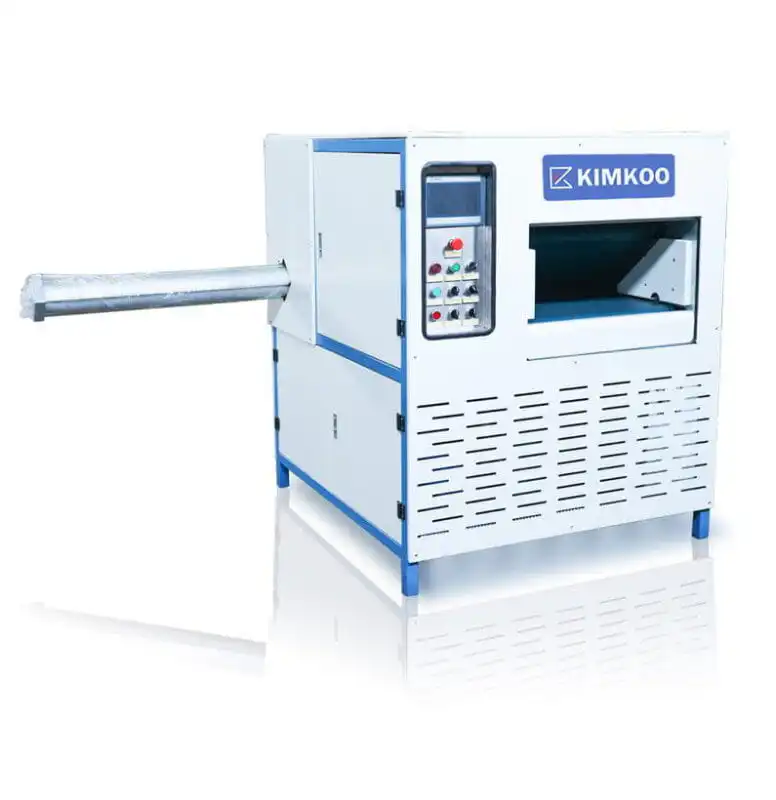
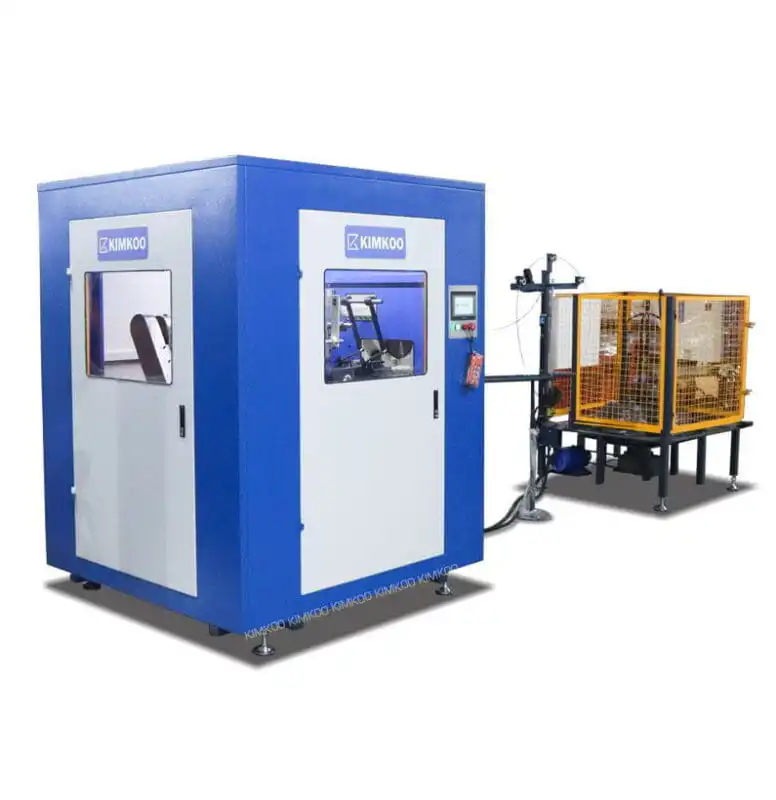
Pocket Spring Machines

Mattress Compression & Roll Packing Machines

Sofa, Foam & Mattress Compression Packing Machines

Mattress Sealing Machines

Tape Edge Machines

Pillow Packaging Machines

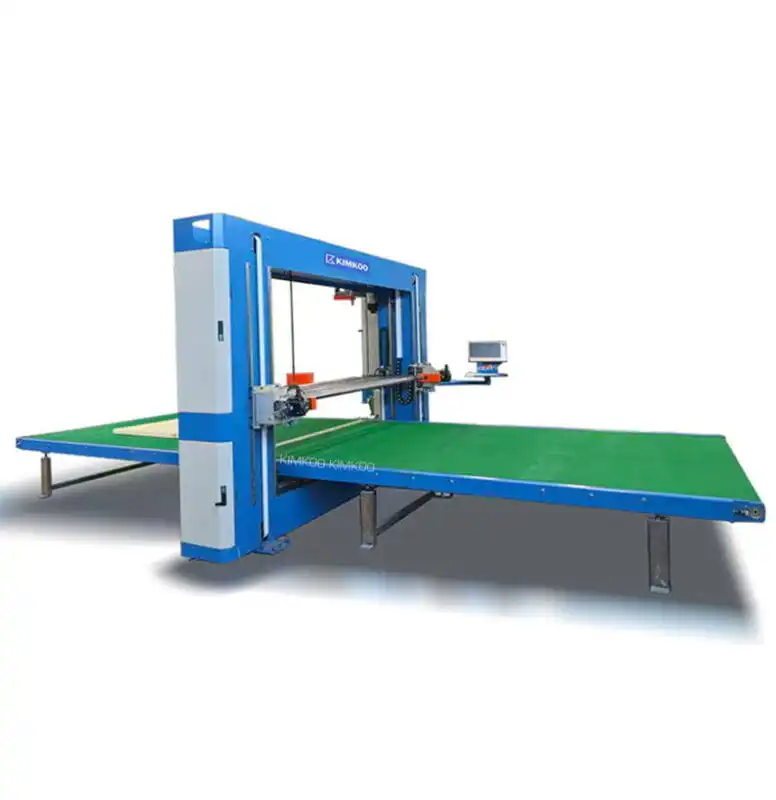
Foam Cutting Machines

Bonnell Spring Machines

Shipping & Delivery

Shipping & Delivery

When you plan to ship goods from our factory to your location, there are a few important aspects to consider in terms of transport options, delivery times, costs, and payment methods. Here is an overview of the shipping process:

Shipping & Delivery

Shipping Ports and Delivery Timeline


Our nearest export port is Shenzhen Port. Depending on the destination port, the shipping duration can vary. You can inquire with your freight forwarder to determine the exact transit time and costs from Shenzhen to your port. For general reference, shipping by sea typically takes anywhere from 10 to 45 days, depending on the distance, shipping line, and specific routes. We also have established partnerships with reliable freight forwarders, but you're welcome to work with your own agent if you have preferred contacts.

Shipping Methods: Sea Freight, Land Freight, and Air Freight

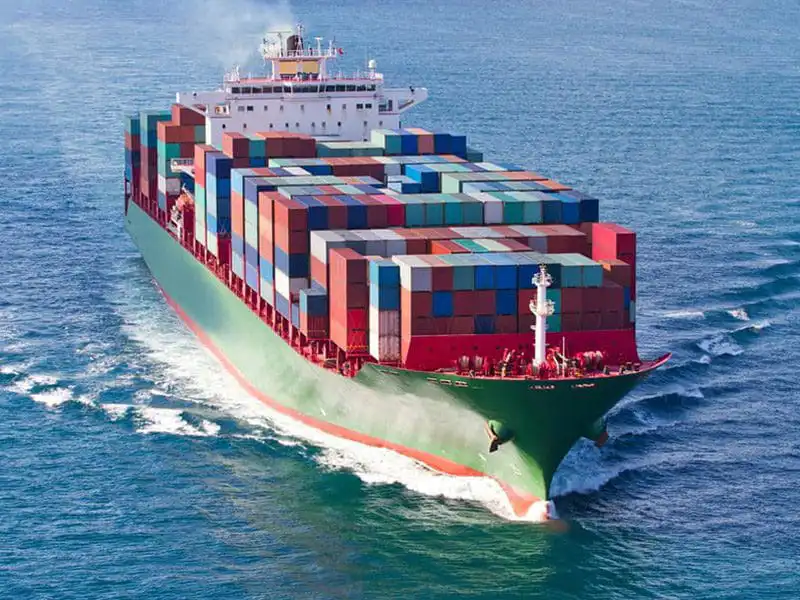
Ocean Freight
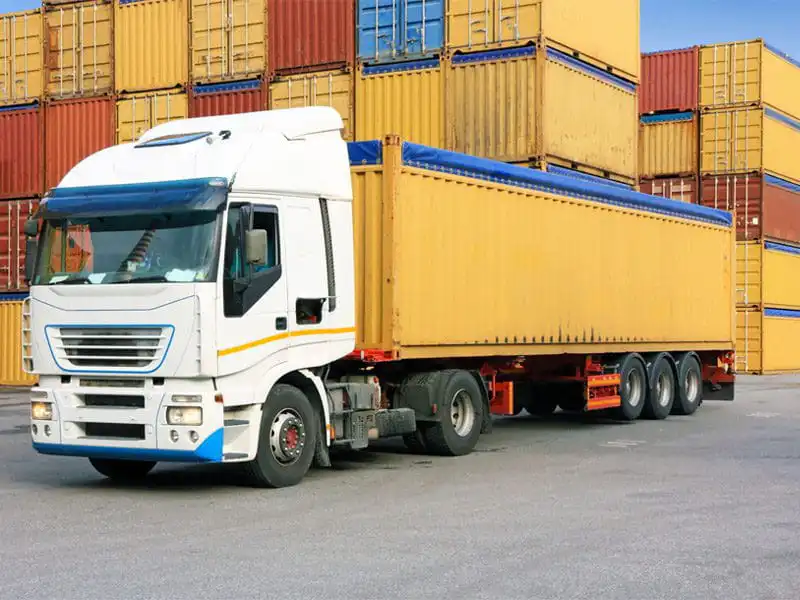
Land Freight
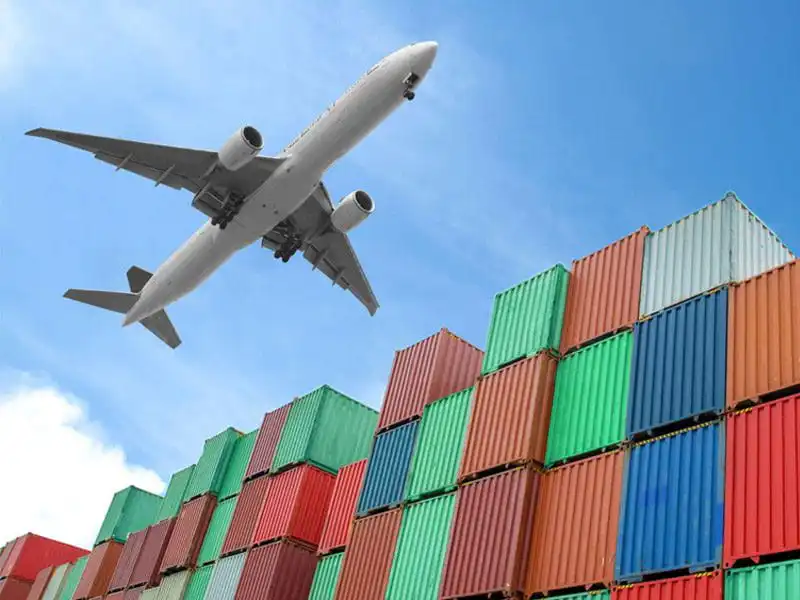
air transport
1. Sea Freight

Sea freight is the primary shipping method we use because it is the most cost-effective and reliable option for transporting large or bulk machinery. No matter which country you are in, sea freight can usually reach a nearby port—even if the local sea transport infrastructure is limited or less efficient.
Once the shipment arrives at your destination port, the shipping line will notify you to pick it up. You can simply ask your local forwarder or customs broker to handle the port clearance and truck the machinery back to your factory.

2. Land Freight

For customers within China, we typically ship machinery by land freight, including heavy trucks, semi-trailers, or railway transport.
For overseas customers, land freight is only possible if your country is physically connected to mainland China. While trucks and semi-trailers can generally transport machinery only up to the border, the key factor for cross-border delivery is whether a railway route exists to your country, or at least to a nearby transfer point where the cargo can then continue by truck into your region.

3. Air Freight

Air freight is generally not suitable for our machinery because the equipment is too large to fit into standard cargo planes. Even if the size allows, the shipping cost would be extremely high and impractical.
Instead, we use air freight mainly for shipping documents (such as B/L copies, invoices, packing lists) or for sending small spare parts, accessories, or consumables that customers may need urgently.

Types of Containers for Shipping

  • Less-than-Container Load (LCL) – Shared Containers: Smaller equipment may be shipped via LCL (Less-than-Container Load). This method allows multiple shipments from different customers to share the same container, reducing costs. However, fumigated wooden crates are mandatory for LCL shipments, as per international regulations, to protect against pests and other environmental risks.
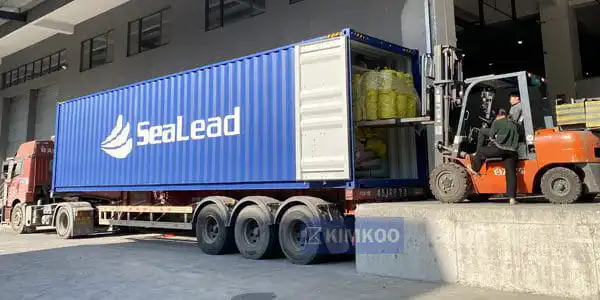
  • Full Container Load (FCL) – Dedicated Containers: For larger machinery, FCL (Full Container Load) shipments are the preferred method. This includes both 20-foot containers and 40-foot containers, depending on the size of the equipment. Choosing the right container size is critical to optimizing shipping costs and ensuring safe delivery.
Freight Forwarding

Freight Forwarding Options

  • Using Our Partnered Freight Forwarders: If you choose to work with one of our trusted freight forwarding partners, you can ask our sales manager for the FOB, CIF, EXW, CFR, or DAP pricing. We will provide competitive quotes based on your specific shipping requirements, and our partners will handle the logistics and transport.
  • Using Your Own Freight Forwarder: If you prefer to handle the shipping through your own agent, feel free to reach out to your regular freight forwarder to get a quote. You can work directly with them for the best possible rates and shipping options.

Payment Terms

We offer several flexible payment methods to suit your business needs:

  1. T/T (Telegraphic Transfer): The most common method for international transactions, where you pay via bank transfer.
  2. L/C (Letter of Credit): A secure payment method, often used for larger transactions to ensure protection for both parties.
  3. D/A (Documents Against Acceptance): A payment term where you pay after receiving the shipping documents.
  4. M/T (Mail Transfer): A variation of the T/T method where payments are made via mail.
  5. D/D (Demand Draft): A form of payment where the bank guarantees the amount to be paid.
  6. CASH: For smaller transactions or if preferred by both parties.
  7. Contact us other terms possible
Payment Terms