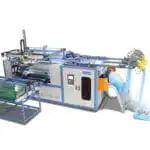
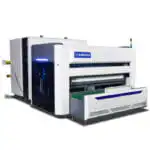
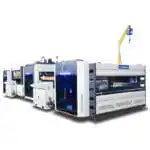
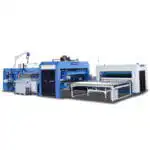
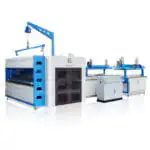
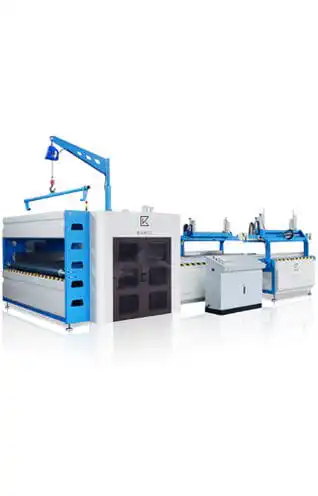
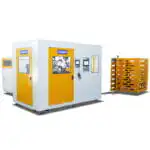
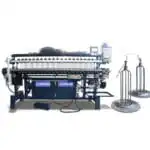
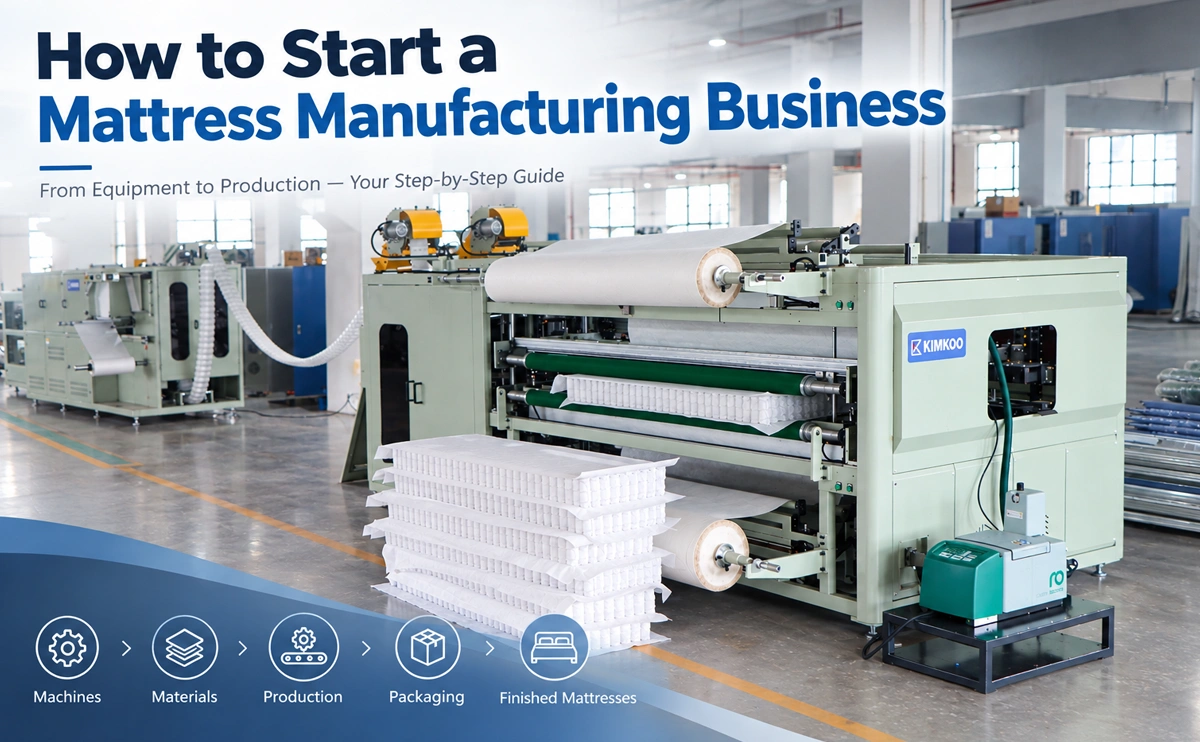
KIMKOO offer multiple types of pocket spring assembly machines — some can connect with 2 coilers, and others up to 3. Freely combine with pocket spring coiling machines of different speeds. Easily set up a 1-to-1, 1-to-2, or 1-to-3 production line to match your capacity. Customize your setup today!
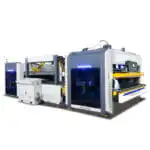
Mattress Packaging Solutions Tailored to Your Needs
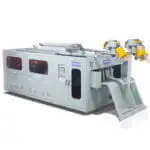
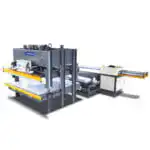
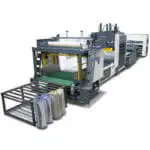
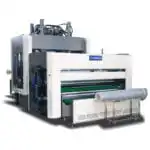
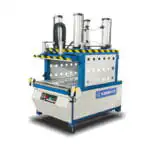
KIMKOO offers a versatile range of mattress packaging machines, with optional functions including auto bagging, compression, folding, and roll-packing. Whether you need to wrap, flatten, fold, or roll, our solutions help protect your mattresses, save space, and improve packaging efficiency. Designed to fit various mattress types and workflows.
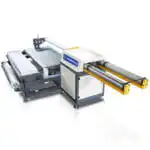
Compress & Roll Pack Sofas, Foam, and Mattresses with Ease
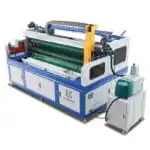
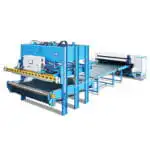
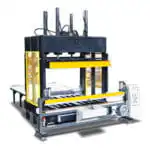
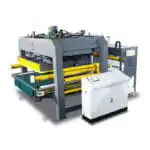
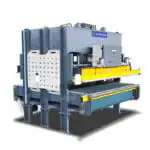
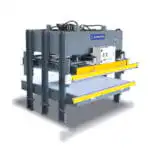
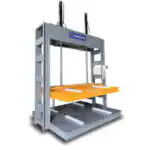
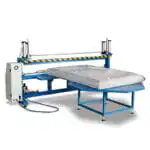
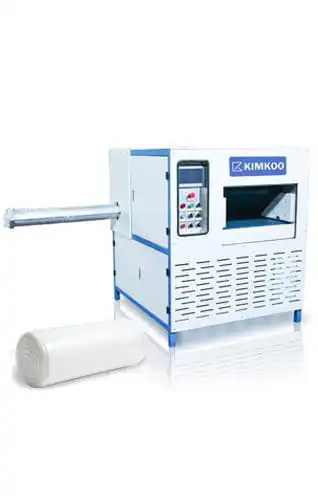
KIMKOO offers a full range of compression packing machines for sofas, foam blocks, layered foam, and resilient mattresses. Choose from fully automatic or semi-automatic models with functions like auto bagging, compression, sealing, folding, and roll-packing — all tailored to your packaging needs.
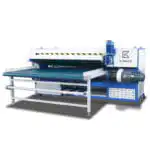
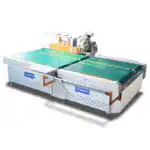
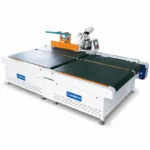
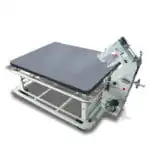
Precise and Durable Finishing with Mattress Tape Edge Machines
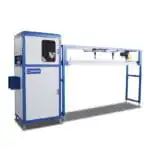
KIMKOO offers automatic and semi-automatic tape edge machines with chain or lock stitch options. Compatible with SINGER 300U, PFAFF 5625, and TYPICAL sewing heads for smooth, durable edge stitching across a wide range of mattress styles.
KIMKOO offer multiple types of pocket spring assembly machines — some can connect with 2 coilers, and others up to 3. Freely combine with pocket spring coiling machines of different speeds. Easily set up a 1-to-1, 1-to-2, or 1-to-3 production line to match your capacity. Customize your setup today!
Mattress Packaging Solutions Tailored to Your Needs
KIMKOO offers a versatile range of mattress packaging machines, with optional functions including auto bagging, compression, folding, and roll-packing. Whether you need to wrap, flatten, fold, or roll, our solutions help protect your mattresses, save space, and improve packaging efficiency. Designed to fit various mattress types and workflows.
Compress & Roll Pack Sofas, Foam, and Mattresses with Ease
KIMKOO offers a full range of compression packing machines for sofas, foam blocks, layered foam, and resilient mattresses. Choose from fully automatic or semi-automatic models with functions like auto bagging, compression, sealing, folding, and roll-packing — all tailored to your packaging needs.
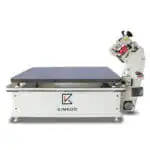
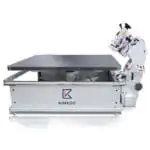
Precise and Durable Finishing with Mattress Tape Edge Machines
KIMKOO offers automatic and semi-automatic tape edge machines with chain or lock stitch options. Compatible with SINGER 300U, PFAFF 5625, and TYPICAL sewing heads for smooth, durable edge stitching across a wide range of mattress styles.
Starting a mattress manufacturing business requires more than simply buying machines and setting up a factory. The right production equipment depends on the types of mattresses you plan to manufacture, your target market, production capacity, available investment, and how much of the manufacturing process you want to handle in-house.
For a new mattress factory, there is also no need to manufacture every component yourself. Springs, foam, fabric, and other materials can be purchased from specialized suppliers while you focus on mattress assembly and finishing. As the business grows, additional machinery can be added to increase production capacity and reduce dependence on outside suppliers.
What Do You Need to Start a Mattress Manufacturing Business?
A basic mattress manufacturing business normally requires several key materials and production processes:
Spring units or other support systems
Foam and comfort layers
Mattress fabric
Quilted panels
Mattress assembly equipment
Tape edging equipment
Packaging equipment
The important point for a new manufacturer is to determine which components should be produced internally and which are more economical to purchase.
A small mattress factory does not necessarily need a complete automated production line from the beginning. In many cases, purchasing ready-made spring units and foam while investing in essential finishing equipment can significantly reduce the initial investment.
How Are Mattresses Manufactured?
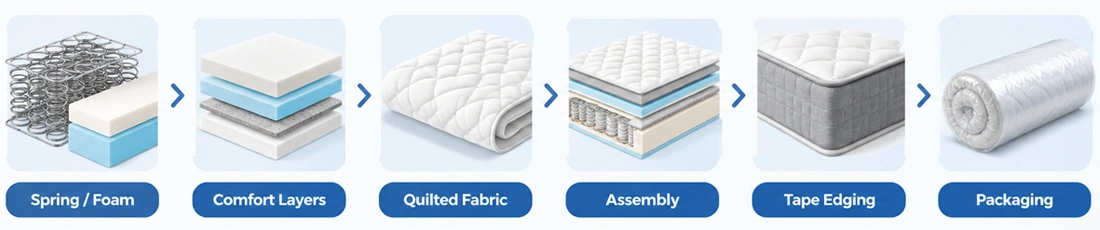
The mattress manufacturing process varies depending on the mattress design, but a typical production process can be divided into several stages.
First, the support system is prepared. This may be a Bonnell spring unit, pocket spring unit, foam core, or another type of support structure. Foam or other comfort materials are then added according to the mattress design.
The fabric cover is normally quilted before the mattress is assembled. After the internal layers are positioned and secured, the mattress is finished using a tape edge operation. Finally, the finished mattress can be compressed, folded, rolled, sealed, or otherwise packaged for transportation.
In simple terms, a typical mattress production process can follow this sequence:
Spring or foam core → Comfort layers → Quilted fabric → Mattress assembly → Tape edging → Packaging
The equipment required at each stage depends on your production volume and the level of automation you want to achieve.
Start With the Essential Mattress Tape Edge Machine
If you are starting a mattress factory with a limited budget, one of the first machines to consider is a mattress tape edge machine.
Tape edging is a fundamental finishing operation for many conventional mattresses. It joins the mattress border with the top and bottom panels and gives the finished mattress its final shape and appearance.
Unlike spring production equipment or automated packaging lines, a basic tape edge machine does not require the same level of investment. This makes it a practical starting point for a small mattress manufacturing business.
If your budget is limited, you can purchase the spring units and foam from suppliers, while handling mattress assembly and tape edging in your own factory. This allows you to produce finished mattresses without immediately investing in every machine used in the upstream manufacturing process.
For many new manufacturers, this approach provides a much more realistic path into mattress production.
Choosing a Spring System: Bonnell or Pocket Spring?
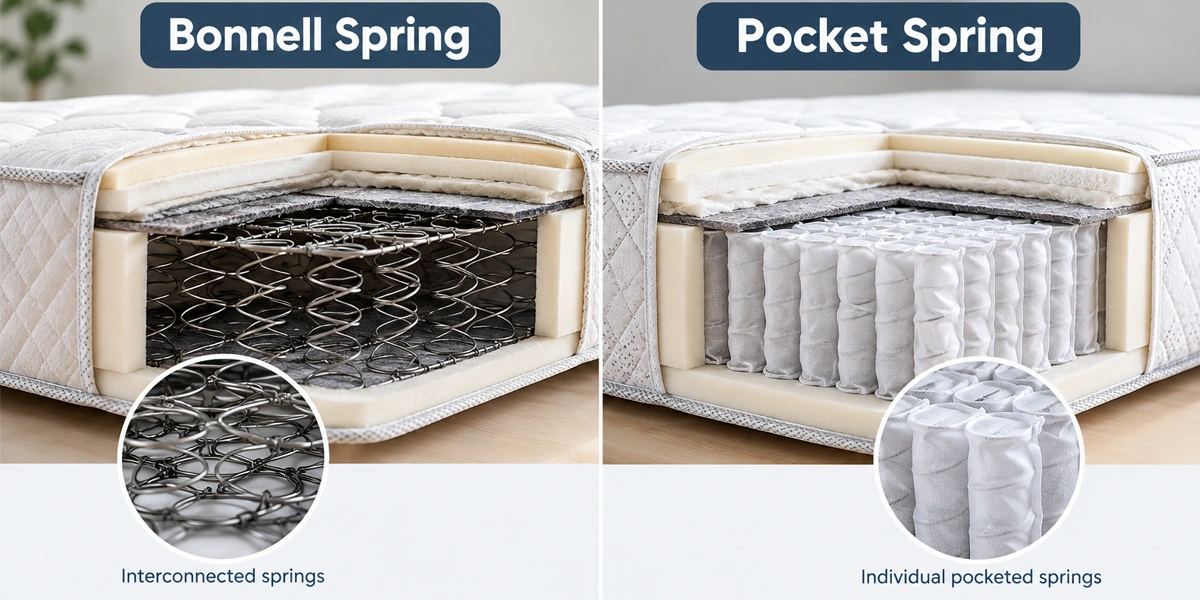
The spring system is one of the most important decisions when planning mattress production. Two common options are Bonnell springs and pocket springs.
Bonnell Spring Manufacturing
Bonnell springs are a traditional interconnected spring system. Because the springs are connected, the mattress generally has a firmer and more traditional feel while providing good overall support.
Bonnell spring mattresses are often positioned as a more economical option. The production technology is also available in different levels of automation, including semi-automatic and automatic equipment.
A manufacturer with sufficient production volume may choose to install a bonnell spring machine and produce spring units in-house. This gives the factory greater control over spring specifications and production.
However, a new business does not necessarily need to manufacture its own Bonnell springs. If investment is limited, purchasing finished Bonnell spring units from a reliable supplier can allow the factory to start producing mattresses without the additional cost of spring manufacturing equipment.
Pocket Spring Manufacturing
Pocket springs are commonly associated with higher-end mattresses because each spring is individually enclosed in fabric pockets. This structure allows the springs to respond more independently and can provide better motion isolation and more flexible comfort characteristics.
For manufacturers targeting the mid-range and premium mattress markets, a pocket spring machine can therefore become an important investment.
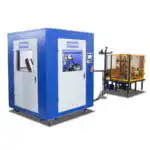
Pocket spring production equipment can range from individual machines to more integrated production lines. For example, KIMKOO offers pocket spring solutions designed for different production requirements, including configurations using multiple spring coilers and automated assembly.
For a new manufacturer, the decision should be based on expected production volume rather than simply choosing the most automated machine available. If demand is still uncertain, purchasing pocket spring units may be a sensible way to enter the market first. Once production volume becomes stable, investing in a pocket spring production line can provide greater control and production capacity.
Do You Need to Produce Your Own Foam?
Foam is another major component of modern mattresses, but producing polyurethane foam in-house is a completely different level of investment from simply processing foam blocks.
A factory producing PU foam needs specialized foaming equipment, raw materials, process control, production space, and technical expertise. For a new mattress manufacturing business, building an entire foam production operation may not be economically practical.
Instead, many mattress manufacturers purchase ready-made foam blocks and process them according to their mattress designs.
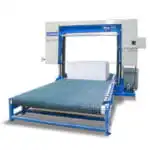
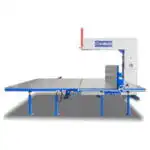
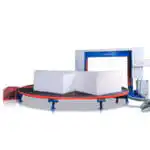
This is where a foam cutting machine becomes useful.
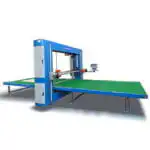
Rather than manufacturing the foam itself, the factory can purchase foam blocks and cut them into the required dimensions and thicknesses. This approach provides considerably more flexibility while avoiding the investment and technical complexity associated with foam production.
For a small or medium-sized mattress factory, purchasing foam and investing in foam cutting equipment can therefore be a much more practical solution.
What About Mattress Fabric and Quilting?
The fabric used for a mattress cover can also be purchased from specialized textile suppliers. However, manufacturers that want greater control over mattress designs can produce their own quilted panels.
A quilting machine can combine mattress fabric with foam and other layers to create the quilted panels used on the top and bottom of a mattress.
Compared with investing in spring production or PU foam production, quilting equipment can be a relatively accessible addition to a mattress factory.
For a new business, purchasing fabric and producing the quilted panels in-house can provide a useful balance between investment and production control. Larger manufacturers can later expand their quilting capacity as product variety and production volume increase.
How to Pack Finished Mattresses?
Once the mattress has been assembled and finished, packaging becomes the final major stage of the mattress production process.
Traditional mattresses can occupy a large amount of warehouse and transportation space. Compression and roll packaging can significantly reduce the volume of finished mattresses, making storage and transportation more efficient.
Depending on the mattress design and packaging requirements, a mattress packaging machine may perform operations such as compression, folding, rolling, bagging, and sealing.
For a small manufacturer, a basic packaging machine can be sufficient to begin with. As production volume increases, more automated compression and roll-packing systems can be introduced.
KIMKOO Mattress Machinery provides mattress packaging solutions for manufacturers with different production requirements and levels of automation, allowing packaging equipment to be selected according to actual factory needs rather than simply purchasing the most expensive system.
How Much Does It Cost to Start a Mattress Factory?
There is no single cost that applies to every mattress manufacturing factory. The required investment depends heavily on the mattress types, production capacity, automation level, factory size, and whether key components are produced internally or purchased from suppliers.
A new manufacturer with a limited budget can start with a relatively simple configuration:
Purchase spring units instead of manufacturing springs
Purchase foam blocks instead of producing PU foam
Invest in a basic mattress tape edge machine
Add quilting equipment if required
Use basic mattress packaging equipment
This configuration allows a company to focus on manufacturing finished mattresses while keeping the initial equipment investment under control.
A medium-sized operation may choose to add foam cutting equipment and spring manufacturing machinery. Manufacturers with higher production volumes can then consider automated pocket spring production, spring assembly, and automated mattress packaging.
The best approach is therefore not to automate everything from day one. Equipment should be added according to actual production demand and business growth.
How to Choose Mattress Manufacturing Equipment
When selecting equipment for a new mattress manufacturing business, consider the following factors:
1. Mattress types
Decide whether you will manufacture Bonnell spring, pocket spring, foam, hybrid, or other mattress types.
2. Production capacity
Estimate your expected daily and monthly production before selecting machine capacity.
3. Initial investment
Do not spend your entire budget on automation before the market has been proven.
4. In-house production
Determine which components are worth manufacturing yourself and which can be purchased from suppliers.
5. Future expansion
Choose equipment that fits your current production requirements while allowing the factory to expand later.
For many new manufacturers, a staged approach is the most practical. Start with essential finishing and packaging equipment, purchase components that are expensive to manufacture internally, and gradually bring more production processes in-house as sales increase.
Building a Mattress Production Line Step by Step
Starting a mattress factory does not necessarily mean building a fully automated factory from the first day.
A practical development path can look like this:
Stage 1: Purchase springs, foam, and fabric from suppliers and invest in essential mattress assembly, tape edging, quilting, and packaging equipment.
Stage 2: Add a foam cutting machine to process purchased foam blocks according to your own mattress specifications.
Stage 3: If production volume justifies the investment, add a bonnell spring machine or pocket spring machine to manufacture spring units in-house.
Stage 4: As demand increases, move toward a more integrated pocket spring production line and automated mattress packaging system.
This approach allows the mattress business to grow with the market instead of committing a large amount of capital before sales are established.
The goal of a successful mattress manufacturing business is not to own every possible machine. It is to build the right production system for your products, capacity, and budget.
If you are planning a new mattress factory or upgrading an existing production line, KIMKOO Mattress Machinery can help you evaluate the appropriate equipment configuration based on your mattress type, production requirements, and level of automation.

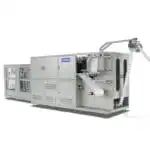
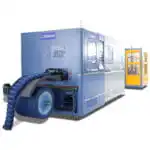

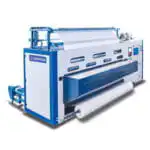
 KIMKOO offer multiple types of pocket spring assembly machines — some can connect with 2 coilers, and others up to 3. Freely combine with pocket spring coiling machines of different speeds. Easily set up a 1-to-1, 1-to-2, or 1-to-3 production line to match your capacity. Customize your setup today!





 Technical Support
 Services
 Custom Development Support
 FAQ
FAQ
