1. Sea Freight
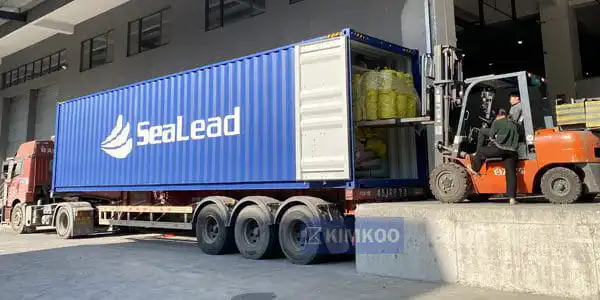
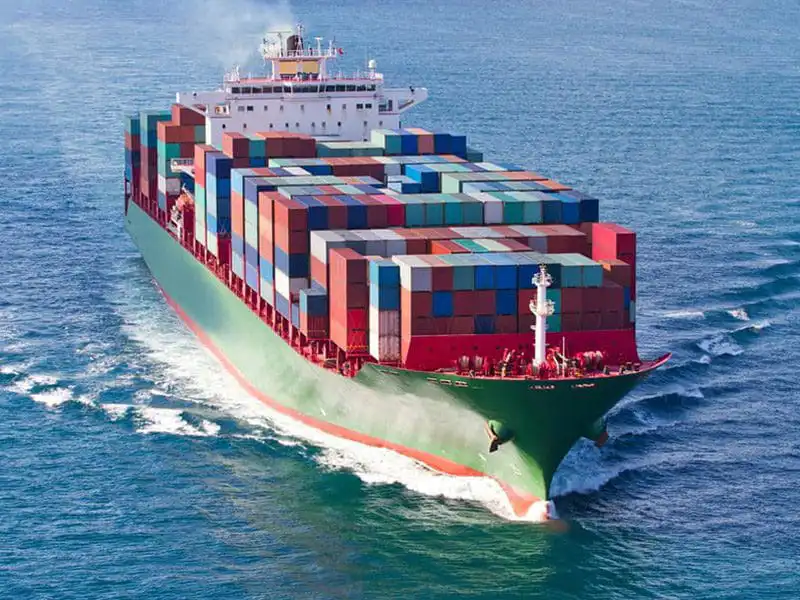
Sea freight is the primary shipping method we use because it is the most cost-effective and reliable option for transporting large or bulk machinery. No matter which country you are in, sea freight can usually reach a nearby port—even if the local sea transport infrastructure is limited or less efficient.
Once the shipment arrives at your destination port, the shipping line will notify you to pick it up. You can simply ask your local forwarder or customs broker to handle the port clearance and truck the machinery back to your factory.
2. Land Freight
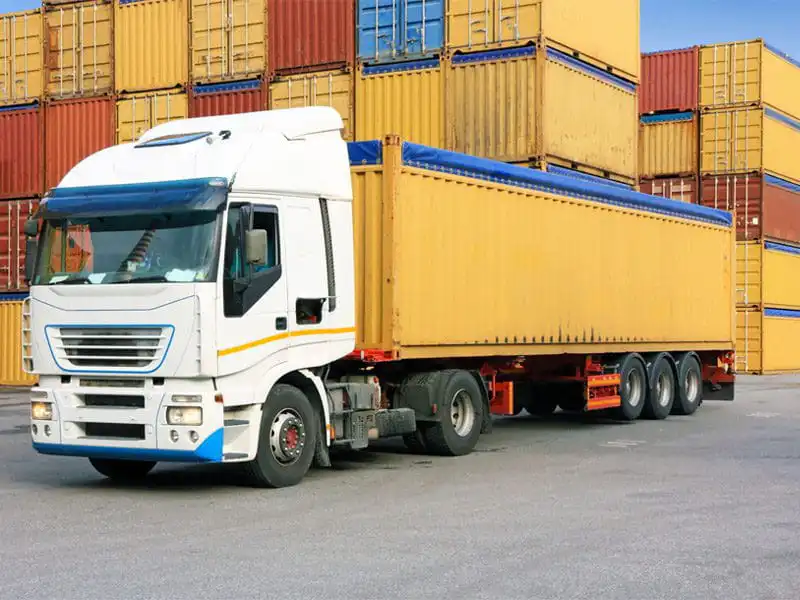
For customers within China, we typically ship machinery by land freight, including heavy trucks, semi-trailers, or railway transport.
For overseas customers, land freight is only possible if your country is physically connected to mainland China. While trucks and semi-trailers can generally transport machinery only up to the border, the key factor for cross-border delivery is whether a railway route exists to your country, or at least to a nearby transfer point where the cargo can then continue by truck into your region.
3. Air Freight
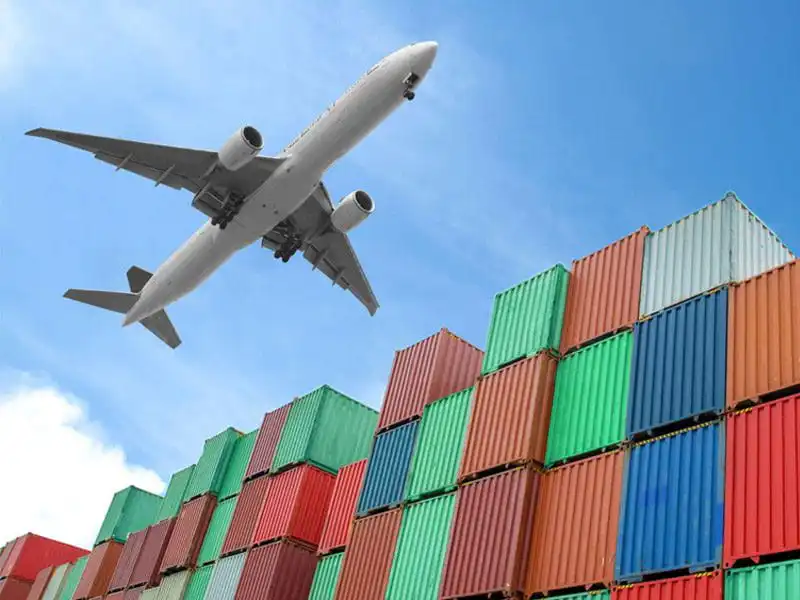
Air freight is generally not suitable for our machinery because the equipment is too large to fit into standard cargo planes. Even if the size allows, the shipping cost would be extremely high and impractical.
Instead, we use air freight mainly for shipping documents (such as B/L copies, invoices, packing lists) or for sending small spare parts, accessories, or consumables that customers may need urgently.

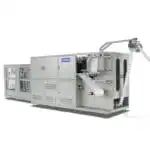
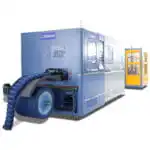

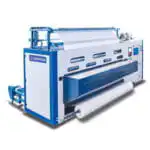
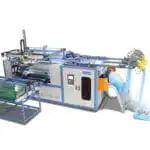
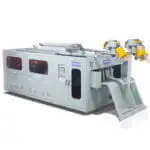
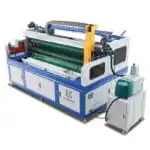
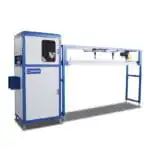
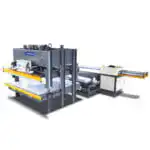
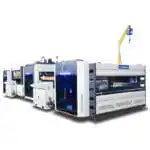
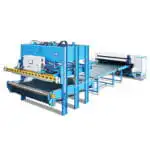
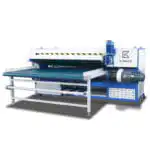
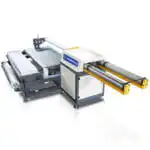
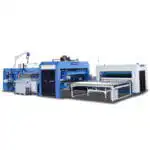
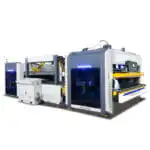
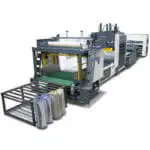
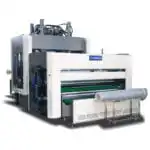
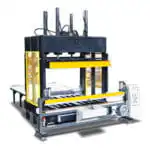
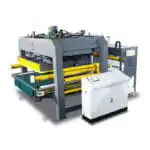
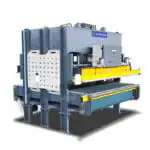
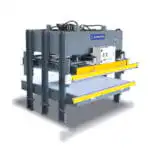
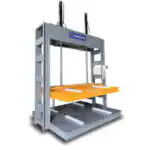
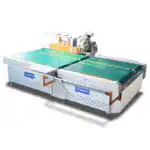
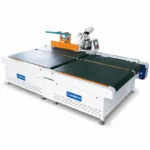
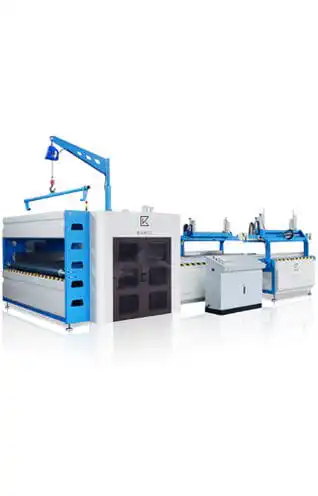
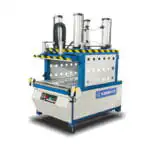
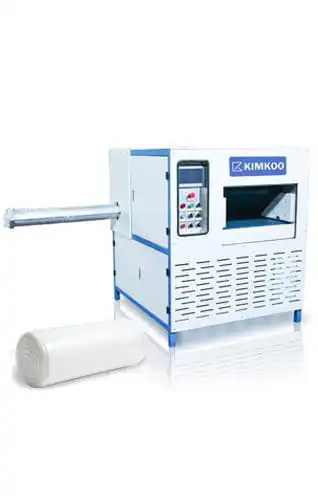
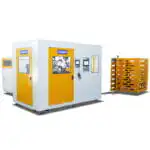
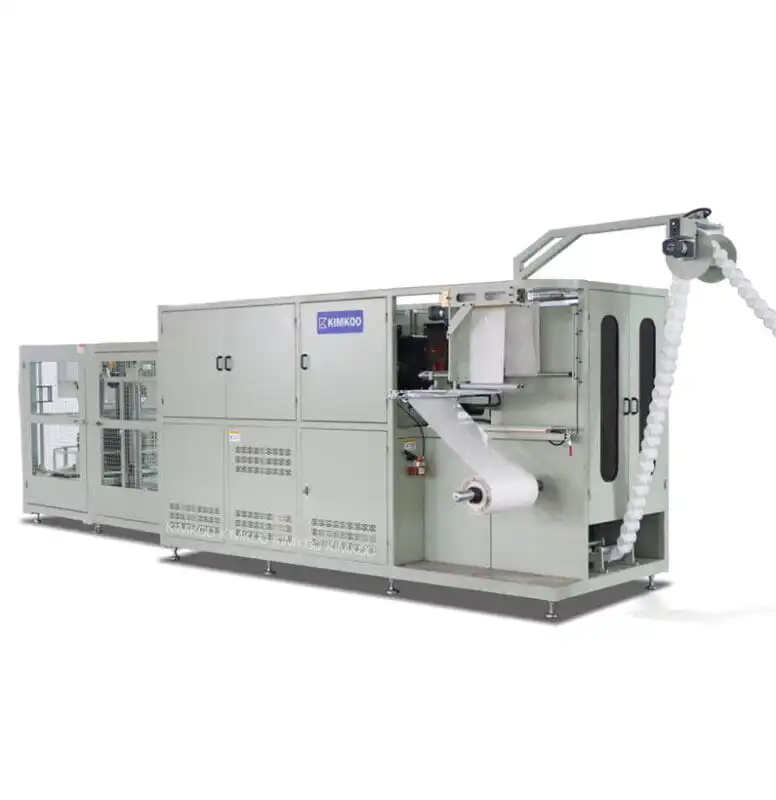
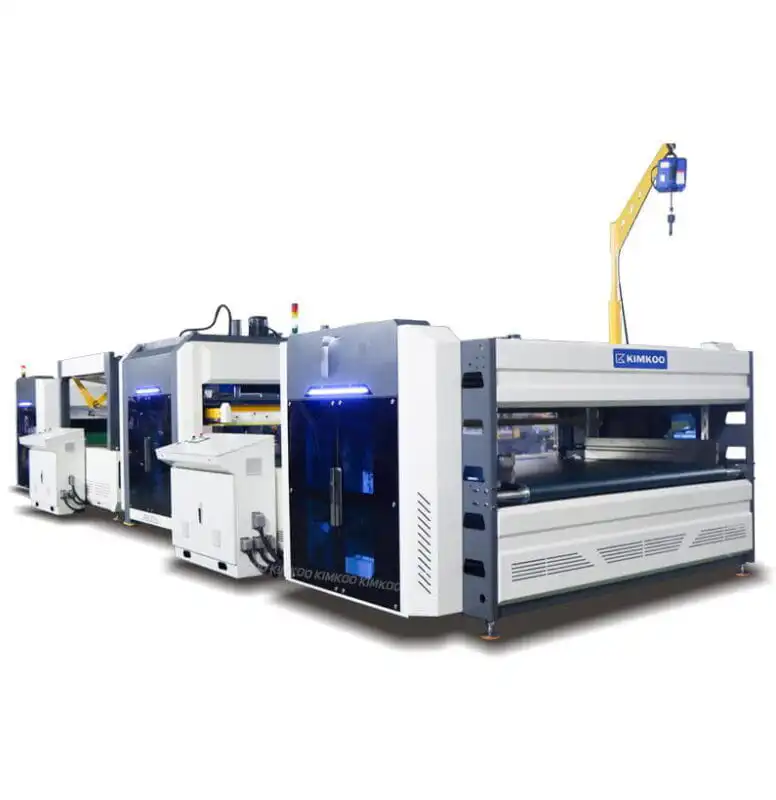
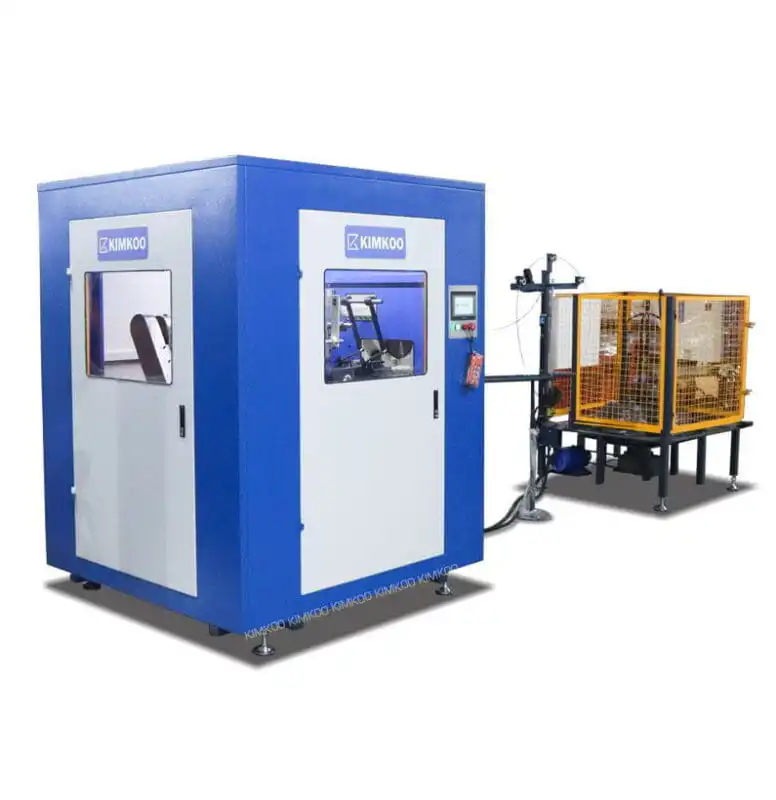
 KIMKOO offer multiple types of pocket spring assembly machines — some can connect with 2 coilers, and others up to 3. Freely combine with pocket spring coiling machines of different speeds. Easily set up a 1-to-1, 1-to-2, or 1-to-3 production line to match your capacity. Customize your setup today!







 Technical Support
 Services
 Custom Development Support
 FAQ
FAQ
