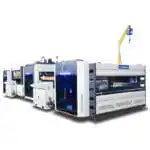
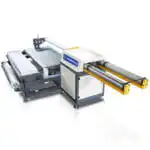
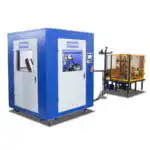
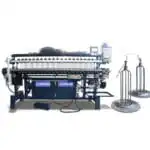
KIMKOO offer multiple types of pocket spring assembly machines — some can connect with 2 coilers, and others up to 3. Freely combine with pocket spring coiling machines of different speeds. Easily set up a 1-to-1, 1-to-2, or 1-to-3 production line to match your capacity. Customize your setup today!
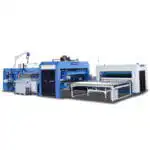
Mattress Packaging Solutions Tailored to Your Needs
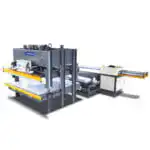
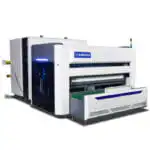
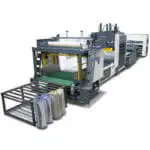
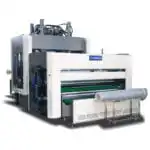
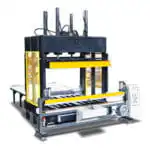
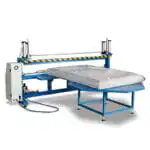
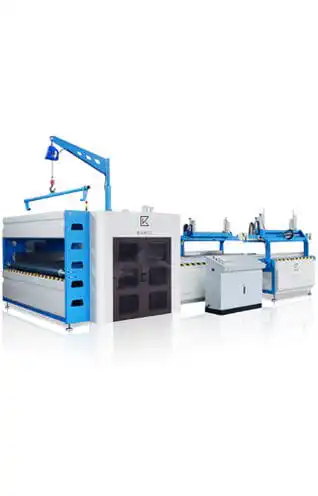
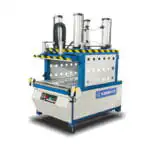
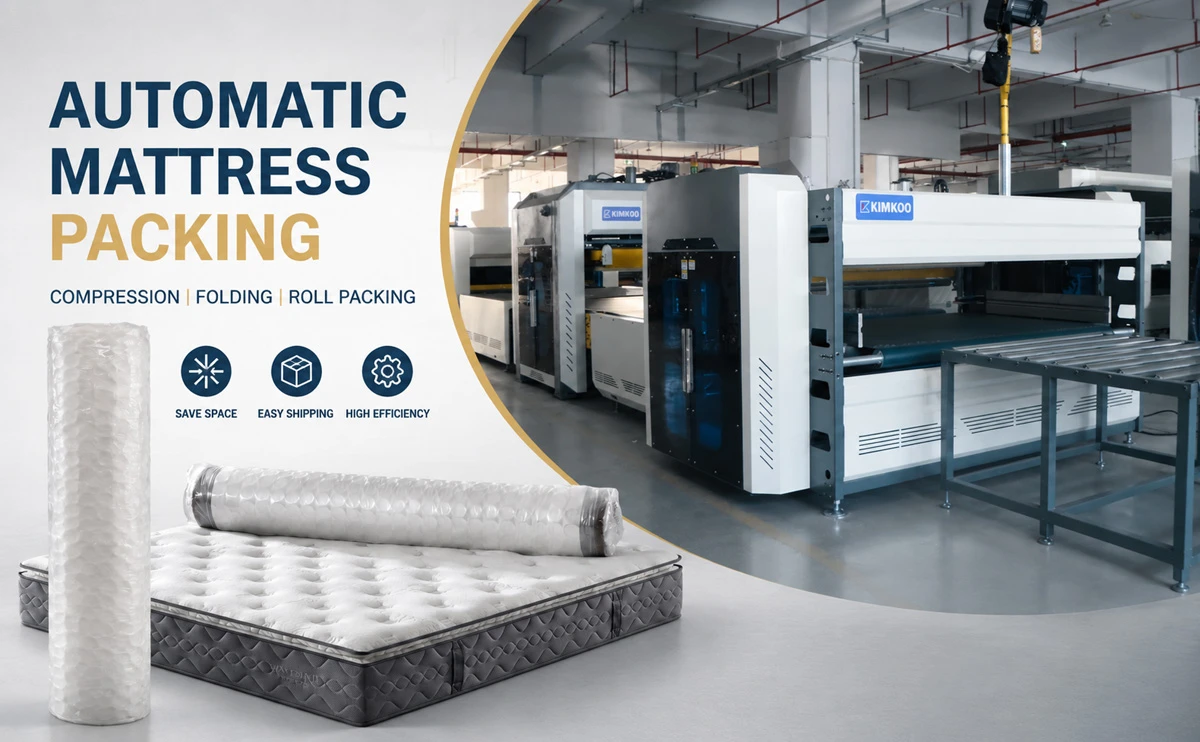
KIMKOO offers a versatile range of mattress packaging machines, with optional functions including auto bagging, compression, folding, and roll-packing. Whether you need to wrap, flatten, fold, or roll, our solutions help protect your mattresses, save space, and improve packaging efficiency. Designed to fit various mattress types and workflows.
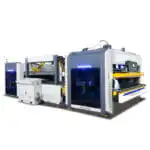
Compress & Roll Pack Sofas, Foam, and Mattresses with Ease
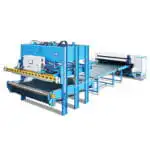
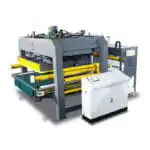
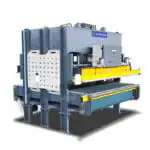
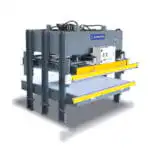
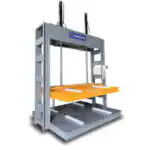
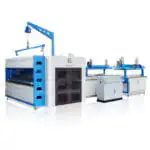
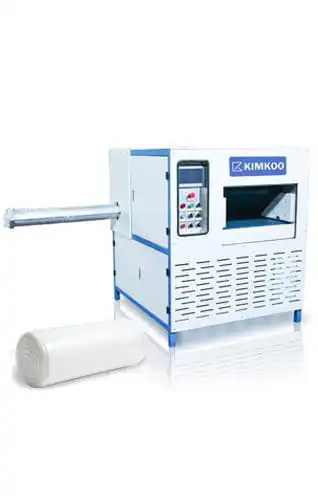
KIMKOO offers a full range of compression packing machines for sofas, foam blocks, layered foam, and resilient mattresses. Choose from fully automatic or semi-automatic models with functions like auto bagging, compression, sealing, folding, and roll-packing — all tailored to your packaging needs.
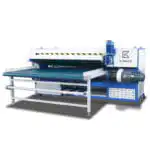
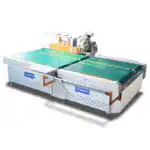
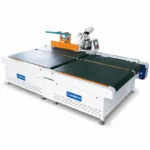
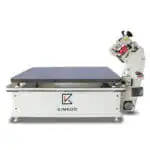
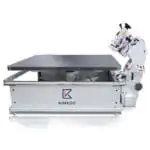
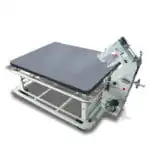
Precise and Durable Finishing with Mattress Tape Edge Machines
KIMKOO offers automatic and semi-automatic tape edge machines with chain or lock stitch options. Compatible with SINGER 300U, PFAFF 5625, and TYPICAL sewing heads for smooth, durable edge stitching across a wide range of mattress styles.
KIMKOO offer multiple types of pocket spring assembly machines — some can connect with 2 coilers, and others up to 3. Freely combine with pocket spring coiling machines of different speeds. Easily set up a 1-to-1, 1-to-2, or 1-to-3 production line to match your capacity. Customize your setup today!
Mattress Packaging Solutions Tailored to Your Needs
KIMKOO offers a versatile range of mattress packaging machines, with optional functions including auto bagging, compression, folding, and roll-packing. Whether you need to wrap, flatten, fold, or roll, our solutions help protect your mattresses, save space, and improve packaging efficiency. Designed to fit various mattress types and workflows.
Compress & Roll Pack Sofas, Foam, and Mattresses with Ease
KIMKOO offers a full range of compression packing machines for sofas, foam blocks, layered foam, and resilient mattresses. Choose from fully automatic or semi-automatic models with functions like auto bagging, compression, sealing, folding, and roll-packing — all tailored to your packaging needs.
Precise and Durable Finishing with Mattress Tape Edge Machines
KIMKOO offers automatic and semi-automatic tape edge machines with chain or lock stitch options. Compatible with SINGER 300U, PFAFF 5625, and TYPICAL sewing heads for smooth, durable edge stitching across a wide range of mattress styles.
The mattress industry has changed significantly in recent years. With the growth of online mattress brands, global shipping, and large-scale mattress production, manufacturers need faster and more efficient packaging methods. Understanding how to pack mattresses properly is important because packaging directly affects transportation costs, storage efficiency, and product protection.
Traditional mattress packaging methods often require more manual labor and take up considerable storage and shipping space. Today, more manufacturers are adopting automated solutions to improve productivity and create compact packages that are easier to transport.
This guide explains how to pack mattresses automatically, the common mattress packaging methods, and how the modern mattress packing process works in professional manufacturing environments.
How Are Mattresses Packed? Common Mattress Packaging Methods
Before introducing automatic packaging technology, it is important to understand the traditional methods used in the mattress industry. Different markets and mattress types may require different packaging solutions.
1.Plastic Bag Packaging
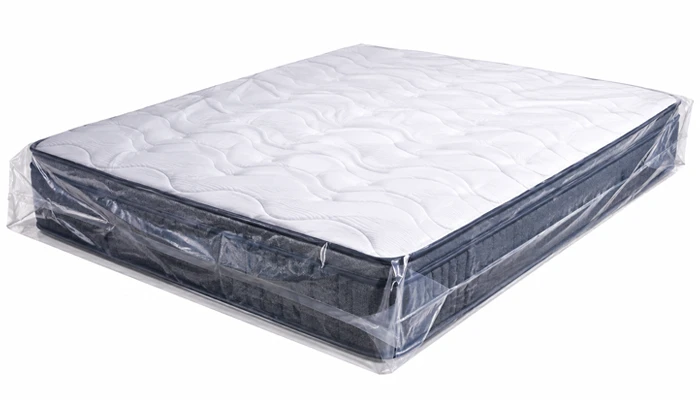
The simplest and most common method is placing the mattress directly into a protective plastic cover bag and sealing the opening.
The packaging process is usually:
Mattress → Cover Bag → Heat Sealing
This method provides basic protection against dust, moisture, and surface damage during transportation.
However, because the mattress keeps its original size and shape, the package remains large and bulky. This creates several challenges:
• Higher shipping costs due to large volume • More warehouse space required • Difficult handling during transportation • Lower loading efficiency for containers and trucks
Although this method is still used for certain local deliveries and traditional mattress sales channels, it is not ideal for manufacturers who need efficient global distribution.
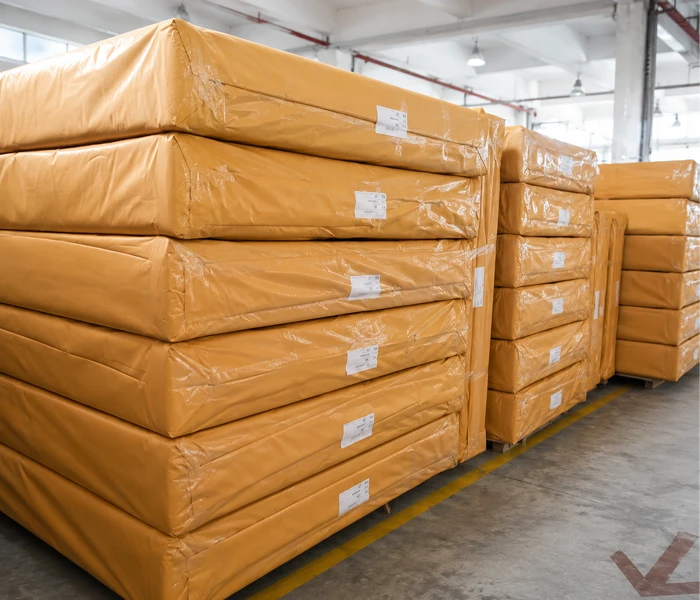
2.Kraft Paper Packaging
Kraft paper packaging is another traditional mattress packaging method, especially for mattresses that require stronger external protection.
Usually, the mattress is first covered with a plastic film for moisture protection, then wrapped with thick industrial kraft paper. Some manufacturers may only reinforce the corners and edges with kraft paper to prevent impact damage.
The advantages include:
Better abrasion resistance
Improved puncture protection
Stronger protection during long-distance transportation
A premium and solid appearance
However, kraft paper packaging usually requires more manual operation. Wrapping, positioning, and sealing the paper can be difficult to fully automate, resulting in higher labor costs.
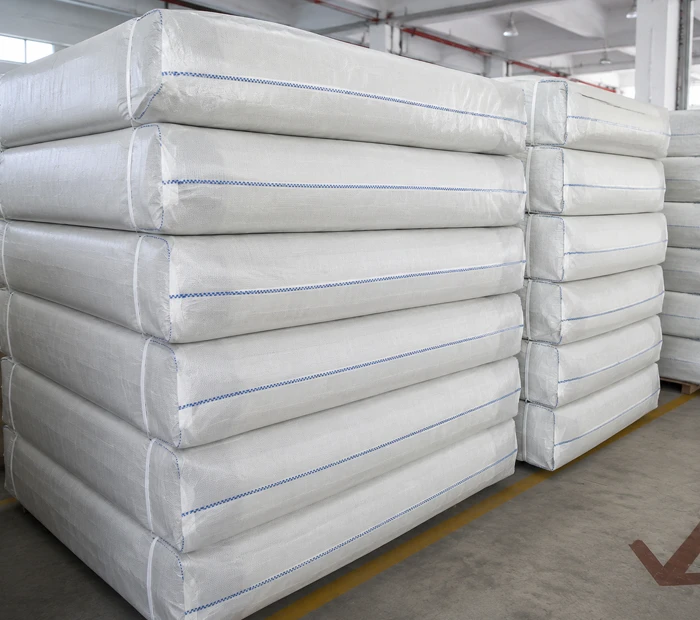
3.Woven Bag Packaging
Woven bag packaging uses a strong PP (polypropylene) woven bag as an outer protective layer. The mattress is usually covered with an inner plastic film before being placed into the woven bag, and the bag opening is then sewn closed.
Advantages:
Excellent tear resistance
Strong durability
Suitable for long-distance transportation and challenging logistics environments
Disadvantages:
Less attractive appearance
Lower customer unpacking experience
More commonly used for cost-sensitive markets
What Is the Mattress Packing Process?
Modern mattress manufacturers are increasingly moving toward automated packaging because it can reduce labor requirements and improve production efficiency.
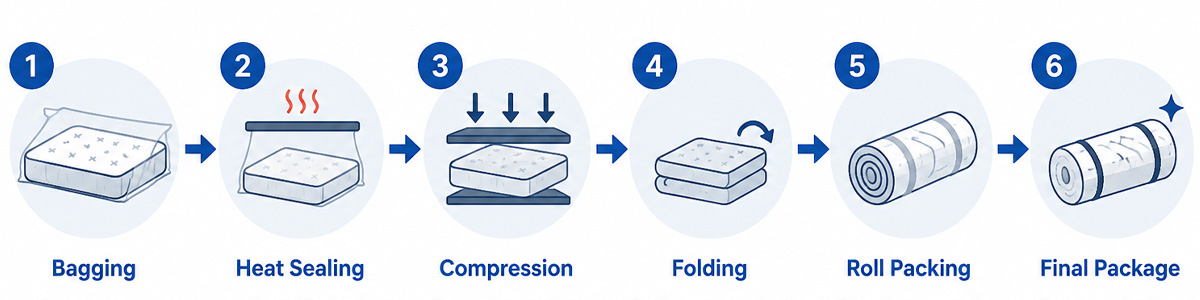
A complete automatic mattress packaging process usually includes several important stages:
Step 1: Bagging & Heat Sealing
The mattress is first transferred into the packaging system through a conveyor. The machine automatically positions the mattress and wraps it with PE or PVC film.
After wrapping, the sealing system creates a strong heat seal to protect the mattress from dust, moisture, and air leakage.
Step 2: Compression & Heat Sealing
After bagging, the mattress enters the compression section.
A hydraulic compression system applies controlled pressure to reduce mattress thickness and stabilize the package size.
Once compressed, the film is heat sealed to maintain the compressed condition.
This step significantly reduces mattress volume, making transportation and storage more efficient.
Step 3: Folding
For mattresses that require a smaller package size, the compressed mattress can be folded.
The folding system can fold the mattress in half or adjust the folding method according to different product requirements.
This process is especially useful for reducing the final package height and creating a more compact package.
Step 4: Rolling or Roll Packing
After compression and optional folding, the mattress enters the rolling system.
The mattress is automatically rolled into a compact cylindrical package and wrapped with stretch film to maintain its shape.
This roll packing method is widely used for boxed mattresses because the final package is easier to handle, store, and ship.
Step 5: Final Compact Package
After completing all packaging stages, the mattress becomes a compact cylindrical package that can be directly placed into a mattress box for retail distribution or online sales.
This packaging method is especially suitable for modern direct-to-consumer mattress brands.
How to Pack Mattresses Automatically
An automatic mattress packaging system is designed to complete the entire packaging workflow with minimal manual operation.
Unlike traditional methods where workers need to manually bag, compress, and wrap each mattress, automated systems use a conveyor-based production process.
The operator only needs to place the mattress onto the conveyor. The machine automatically completes the following steps:
Bagging
Heat sealing
Compression
Optional folding
Roll packing
Final wrapping
One of the biggest advantages of an automated system is continuous packaging operation.
Once the first mattress completes the bagging process, the next mattress can immediately enter the conveyor system. This allows multiple mattresses to move through different packaging stages continuously without waiting for the previous product to finish.
For large mattress manufacturers, this continuous workflow greatly improves production efficiency and reduces downtime.
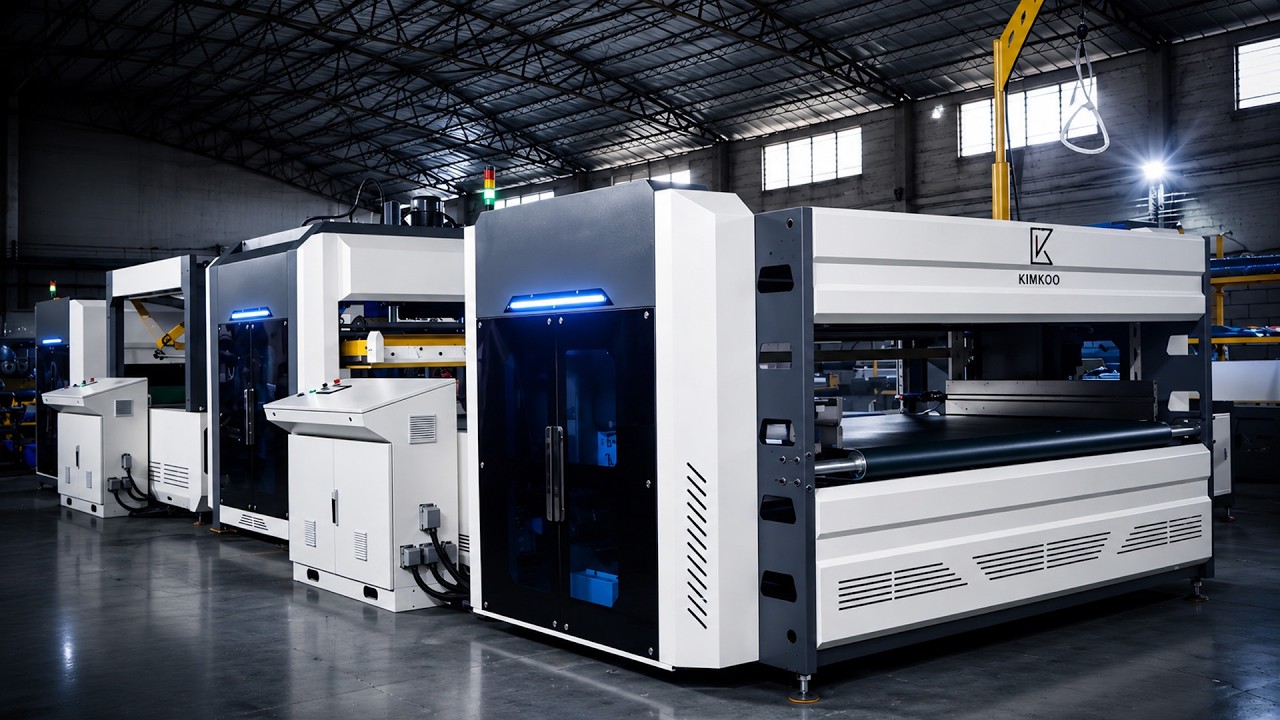
A professional mattress packing machine can integrate multiple packaging stages into one production line, while a specialized mattress compression machine helps achieve stable compression results for different mattress materials.
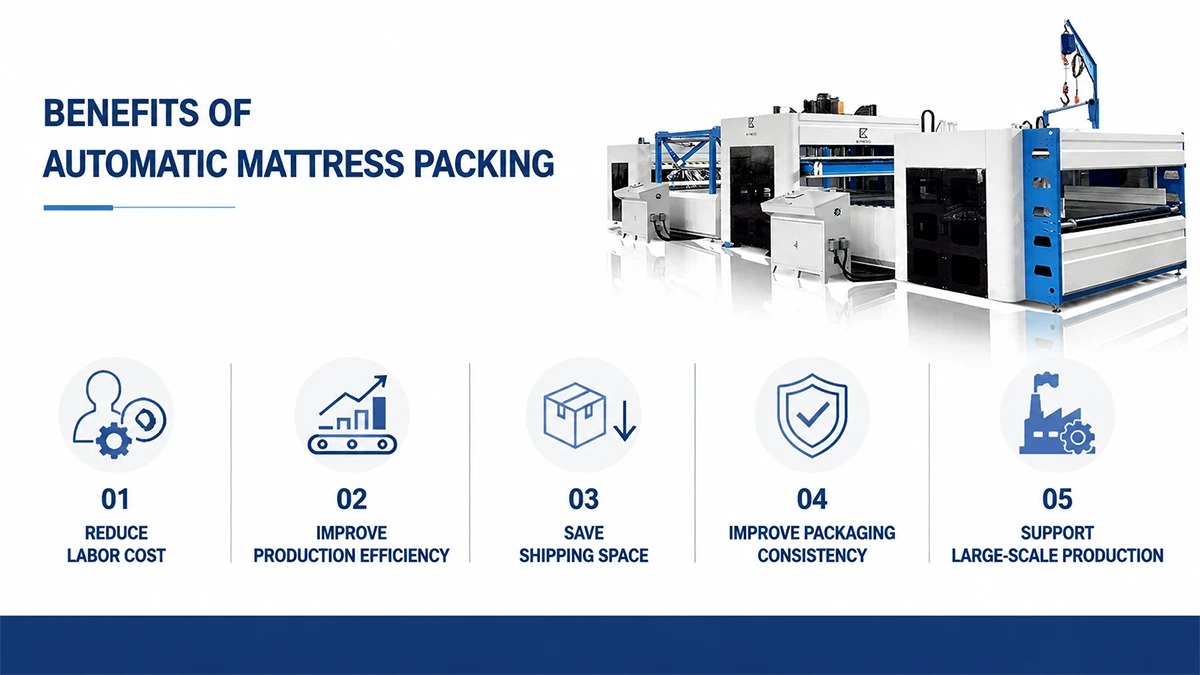
Benefits of Automatic Mattress Packing
Automatic mattress packaging provides several advantages for modern mattress manufacturers.
1.Reduce Labor Cost
Automation reduces the need for multiple workers involved in manual wrapping, compression, and packaging operations.
2.Improve Production Efficiency
Continuous conveyor operation allows manufacturers to increase output and maintain stable production speed.
3.Save Shipping Space
Compression and roll packing significantly reduce mattress volume, helping manufacturers lower transportation costs and improve warehouse utilization.
4.Improve Packaging Consistency
Automatic systems provide consistent compression force, sealing quality, and package dimensions for every mattress.
5.Support Large-Scale Production
For manufacturers producing hundreds or thousands of mattresses, automated packaging solutions provide a reliable way to increase capacity and maintain product quality.
Choosing the Right Mattress Packaging Solution
Different mattresses may require different packaging methods depending on their materials, sizes, and sales channels.
Foam mattresses, latex mattresses, and many pocket spring mattresses can be suitable for compression and roll packing. However, manufacturers should evaluate mattress structure, thickness, and recovery characteristics before selecting a packaging method.
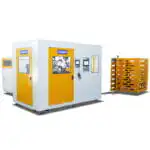
For companies looking to improve production efficiency, an automatic packaging solution can provide a complete workflow from bagging to final roll packing.
KIMKOO provides automatic mattress packaging solutions designed for mattress manufacturers who need efficient compression, folding, and roll packing technology. These systems help reduce packaging volume, optimize shipping costs, and create compact mattress packages ready for modern distribution channels.


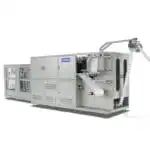
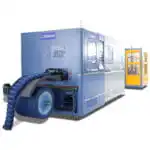
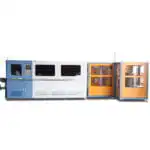
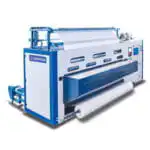
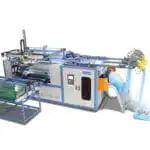
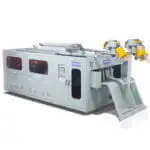
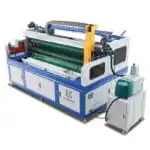
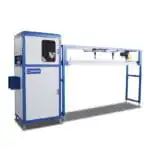
 KIMKOO offer multiple types of pocket spring assembly machines — some can connect with 2 coilers, and others up to 3. Freely combine with pocket spring coiling machines of different speeds. Easily set up a 1-to-1, 1-to-2, or 1-to-3 production line to match your capacity. Customize your setup today!






 Technical Support
 Services
 Custom Development Support
 FAQ
FAQ
