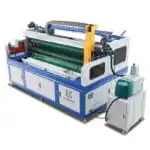
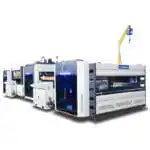
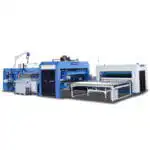
KIMKOO offer multiple types of pocket spring assembly machines — some can connect with 2 coilers, and others up to 3. Freely combine with pocket spring coiling machines of different speeds. Easily set up a 1-to-1, 1-to-2, or 1-to-3 production line to match your capacity. Customize your setup today!
Mattress Packaging Solutions Tailored to Your Needs
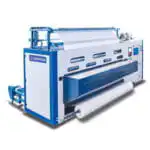
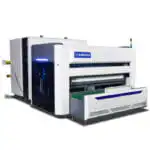
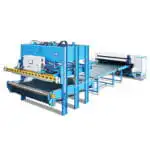
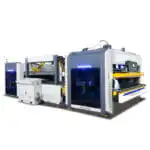
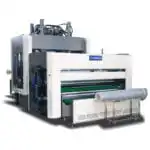
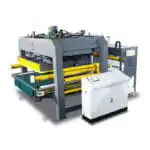
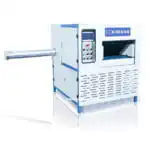
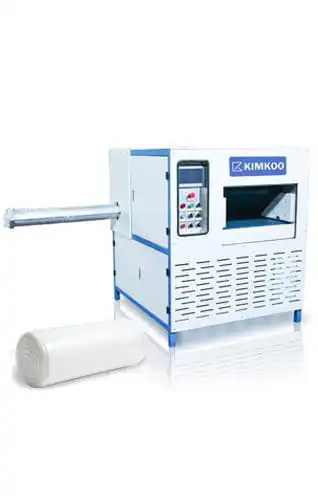
KIMKOO offers a versatile range of mattress packaging machines, with optional functions including auto bagging, compression, folding, and roll-packing. Whether you need to wrap, flatten, fold, or roll, our solutions help protect your mattresses, save space, and improve packaging efficiency. Designed to fit various mattress types and workflows.
Compress & Roll Pack Sofas, Foam, and Mattresses with Ease
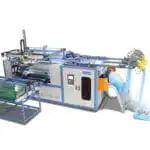
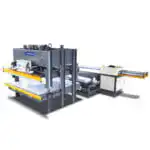
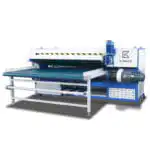
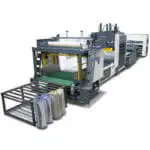
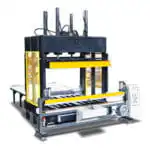
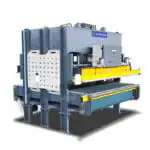
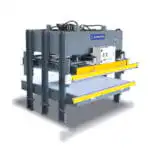
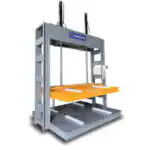
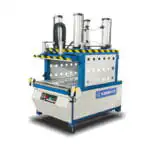
KIMKOO offers a full range of compression packing machines for sofas, foam blocks, layered foam, and resilient mattresses. Choose from fully automatic or semi-automatic models with functions like auto bagging, compression, sealing, folding, and roll-packing — all tailored to your packaging needs.
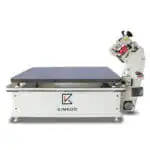
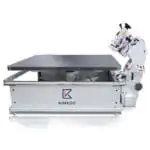
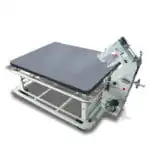
Precise and Durable Finishing with Mattress Tape Edge Machines
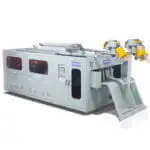
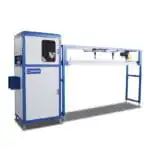
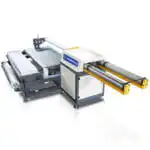
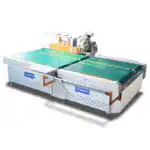
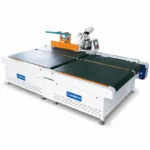
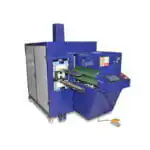
KIMKOO offers automatic and semi-automatic tape edge machines with chain or lock stitch options. Compatible with SINGER 300U, PFAFF 5625, and TYPICAL sewing heads for smooth, durable edge stitching across a wide range of mattress styles.
KIMKOO offer multiple types of pocket spring assembly machines — some can connect with 2 coilers, and others up to 3. Freely combine with pocket spring coiling machines of different speeds. Easily set up a 1-to-1, 1-to-2, or 1-to-3 production line to match your capacity. Customize your setup today!
Mattress Packaging Solutions Tailored to Your Needs
KIMKOO offers a versatile range of mattress packaging machines, with optional functions including auto bagging, compression, folding, and roll-packing. Whether you need to wrap, flatten, fold, or roll, our solutions help protect your mattresses, save space, and improve packaging efficiency. Designed to fit various mattress types and workflows.
Compress & Roll Pack Sofas, Foam, and Mattresses with Ease
KIMKOO offers a full range of compression packing machines for sofas, foam blocks, layered foam, and resilient mattresses. Choose from fully automatic or semi-automatic models with functions like auto bagging, compression, sealing, folding, and roll-packing — all tailored to your packaging needs.
Precise and Durable Finishing with Mattress Tape Edge Machines
KIMKOO offers automatic and semi-automatic tape edge machines with chain or lock stitch options. Compatible with SINGER 300U, PFAFF 5625, and TYPICAL sewing heads for smooth, durable edge stitching across a wide range of mattress styles.
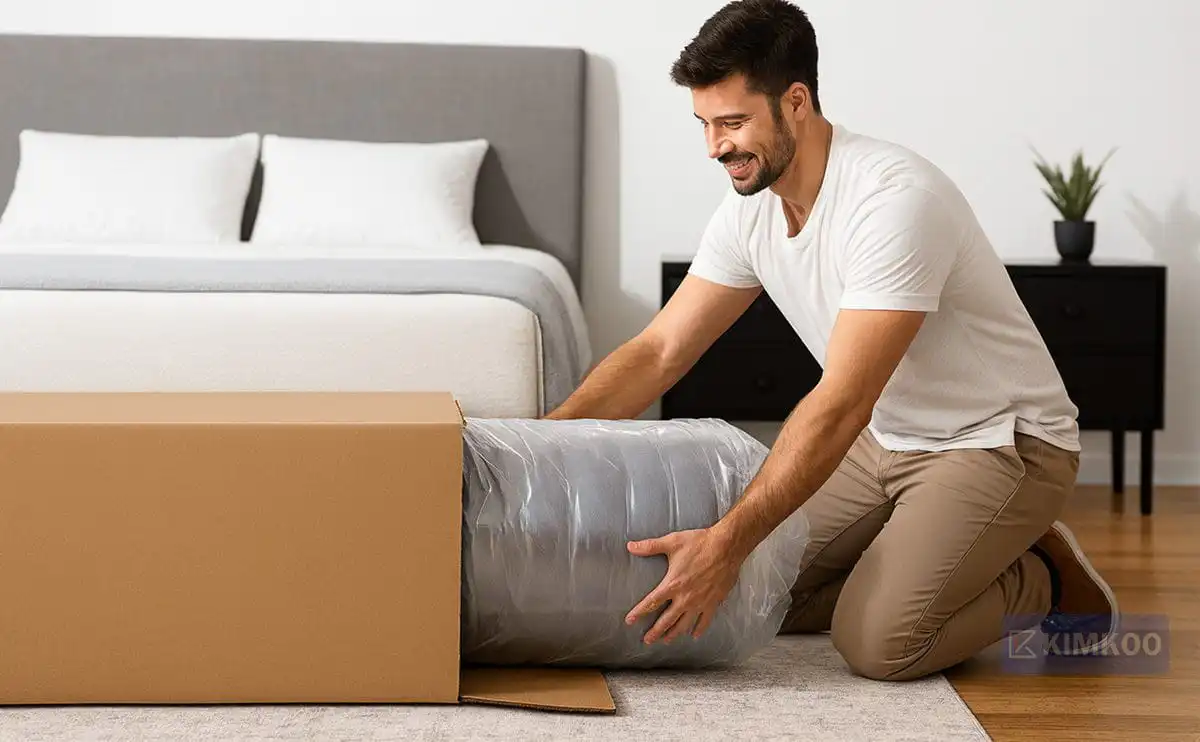
For mattress manufacturers, traders and ecommerce sellers, packing mattresses into boxes is no longer a consumer-only trick — it’s a logistics and margins play. Compressing, bagging and roll-packing mattresses reduces parcel volume, slashes shipping and warehousing costs, and makes trade with global marketplaces (including Amazon FBA) feasible.
In this guide we’ll walk factory operators step-by-step through the process, explain which mattress types can (and can’t) be compressed, list the equipment you’ll need, and describe the bestmattress packing machineconfigurations for different production scales and mattress types.
1. Why manufacturers need to pack mattresses in a box
E-commerce and distribution demands. Online mattress sales continue to expand and many channels (marketplaces, 3PLs) require compact, boxed inventory for warehousing and fulfillment. Shipping and storage costs are often the single biggest variable cost for mattress sellers, so volume reduction directly improves margins.
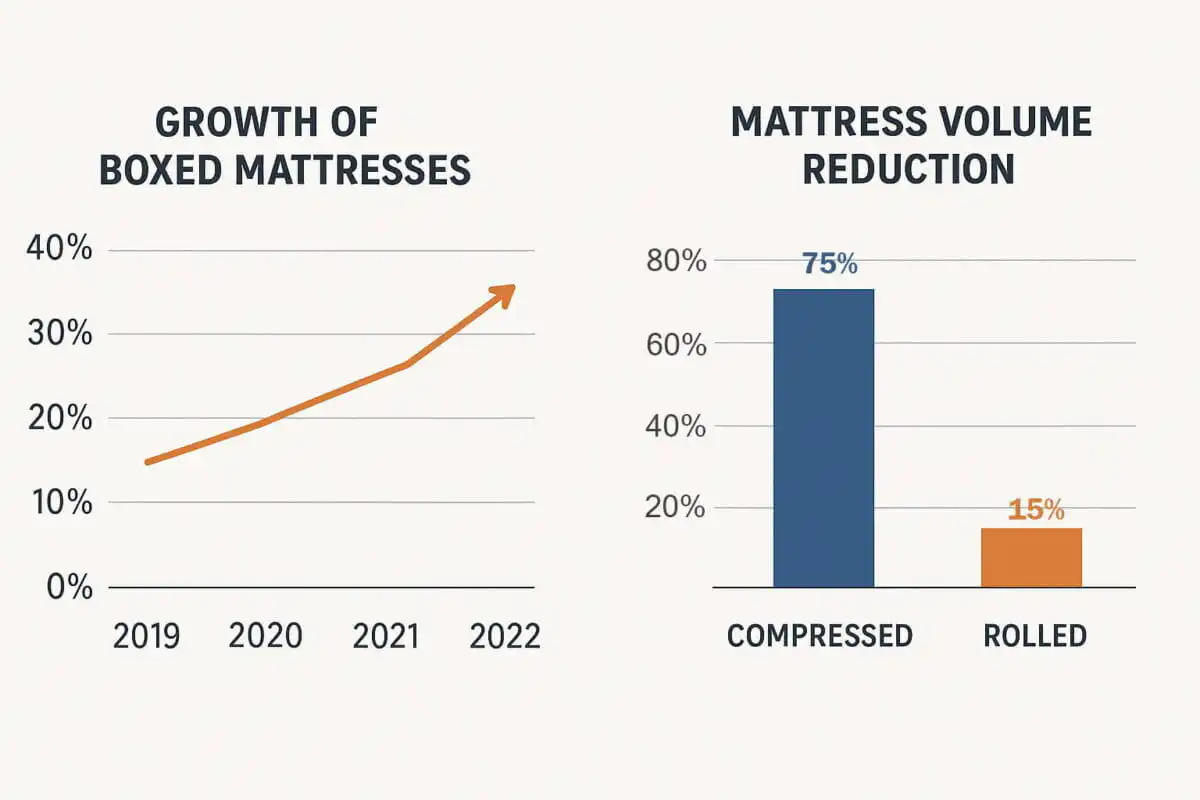
Roll-pack has become mainstream. Over the last few years the boxed/roll-packed segment grew rapidly — industry observers estimated boxed beds rose from ~15% of U.S. share in 2019 to over 30% by 2020, and the trend has continued as brands embraced compress-and-box logistics. That means more manufacturers worldwide are investing in roll-packing lines.
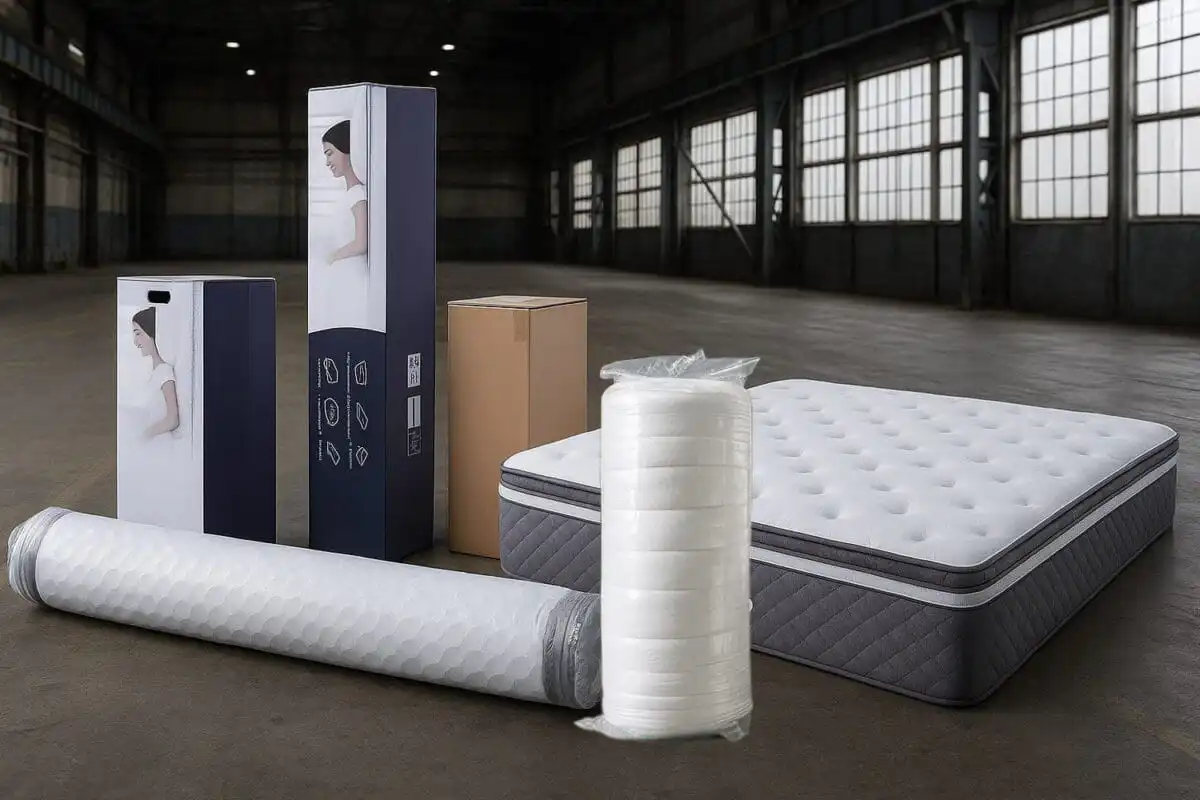
Logistics & cost benefits. Proper compression and roll packing can reduce mattress volume dramatically (industry reports cite large % reductions in cubic space), cutting transport and warehousing costs while lowering CO₂ emissions per unit. This is particularly attractive for export and long-distance shipping.
Global Trend Today, manufacturers worldwide rely on mattress compression and roll-packing machines to reduce product volume by 70% to 90%, dramatically lowering shipping and storage costs. The global shift toward boxed mattresses has pushed even traditional factories to upgrade their production lines and implement modern compression-and-box logistics.
2. What you need before packing a mattress in a box
Prepare these items and checks before you start:
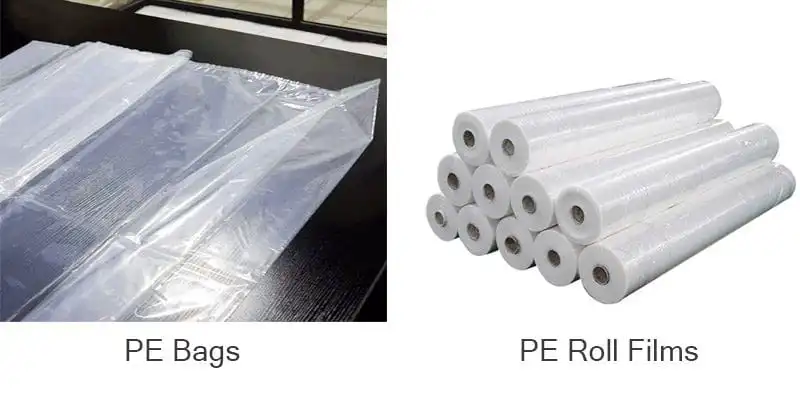
Appropriate PE roll film or PE bags sized to your mattress ranges. (Some machines run roll film; others use pre-made bags.)
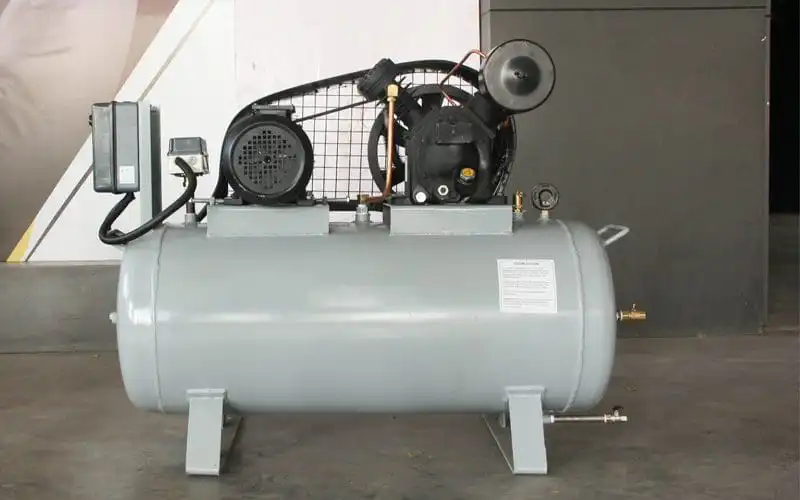
Compressed air source (air compressor) — many automatic lines require pneumatic power.
Air Compressor
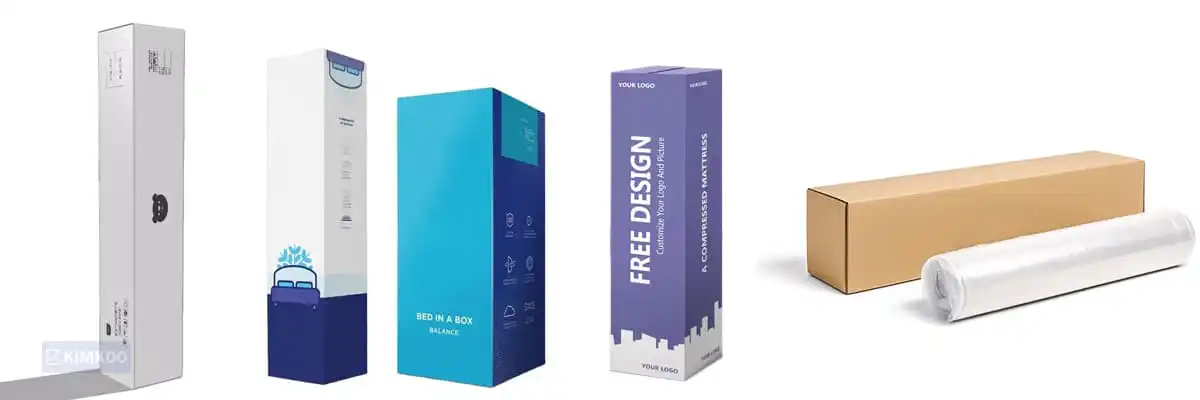
Custom corrugated boxes — set internal dimensions to accept the rolled mattress; you can print brand/logo/handling marks. (Amazon/marketplace packaging rules often require corrugated box packaging for mattresses.)
Mattress Boxes
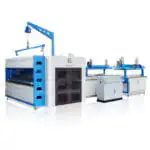
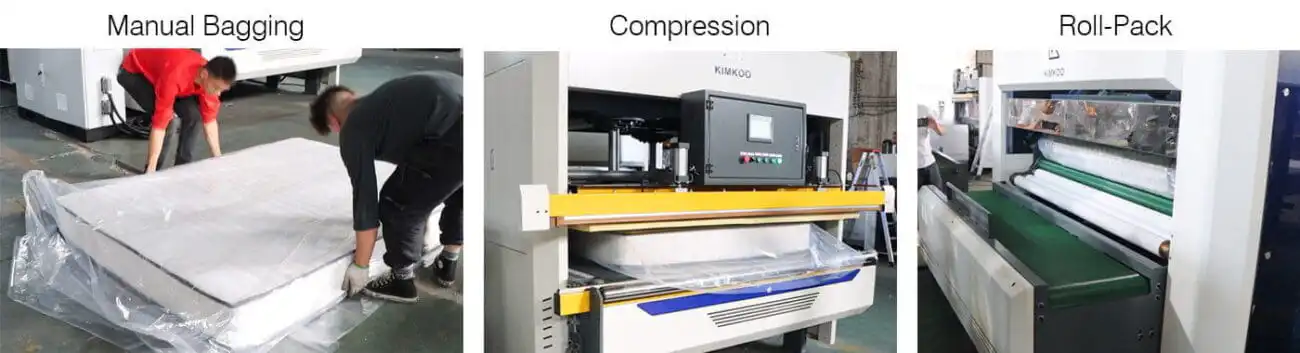
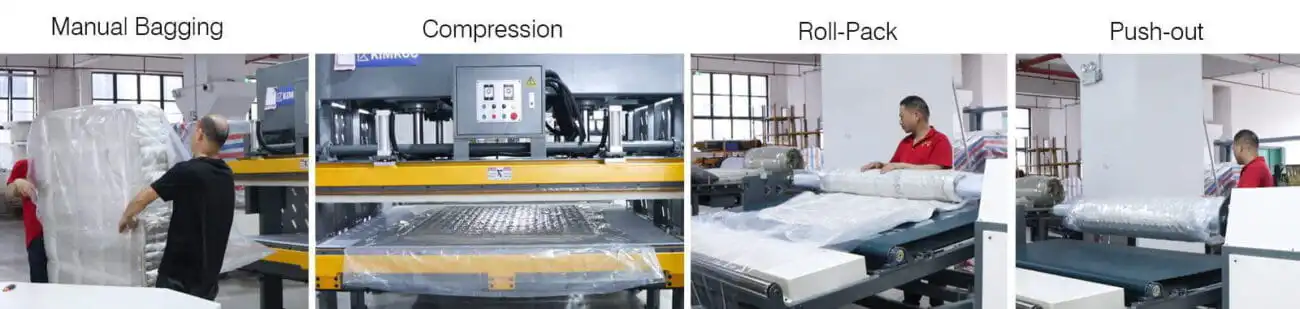
Amattress packaging machine(full or semi-automatic) — functions to consider: auto bagging & sealing, compression & sealing, folding (edge fold or half-fold), and roll packing (fixed or adaptive diameter).
Quality control area — to verify rebound time, seal integrity and dimensional accuracy before bulk shipping.
3. Which mattresses can be compressed and roll-packed
Most flexible, metal-frame-free mattresses can be safely compressed with no damage, including:
Memory foam mattress
High-density foam mattress
Latex mattress
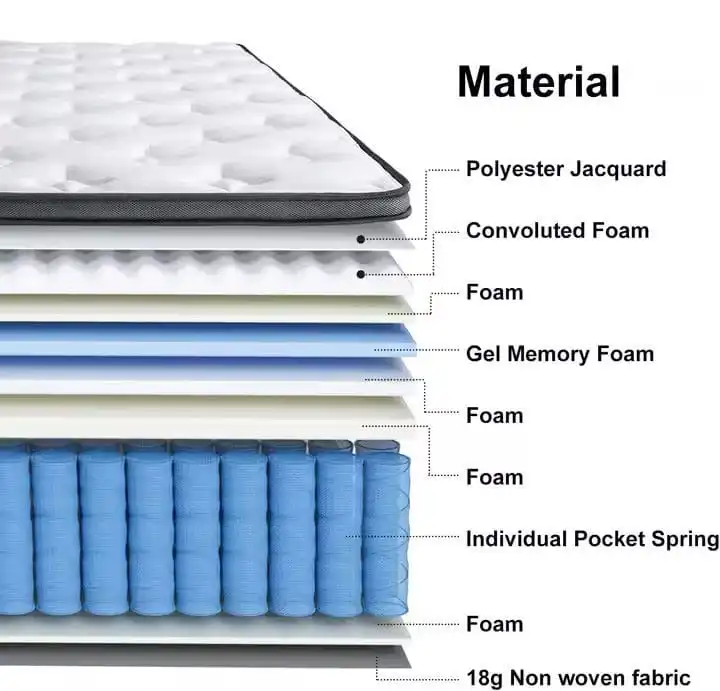
Hybrid mattress
Pocket spring mattress (no rigid frame)
Bonnell spring mattress without border wire
Fiber-filled or polyester-filled soft mattresses
As long as the mattress has no rigid metal frame, modern compression machines can handle it. You do not need special rebound tests unless you want optional verification — and if needed, KIMKOO can compress and test your samples as long as the machine model is in stock.
4. Step-by-Step: How to Pack Mattress in a Box (Factory Version)
Because factories use different production setups, here are the three industry-standard packaging methods, from fully automatic to economy models.
Method 1 — Full-Automatic Line
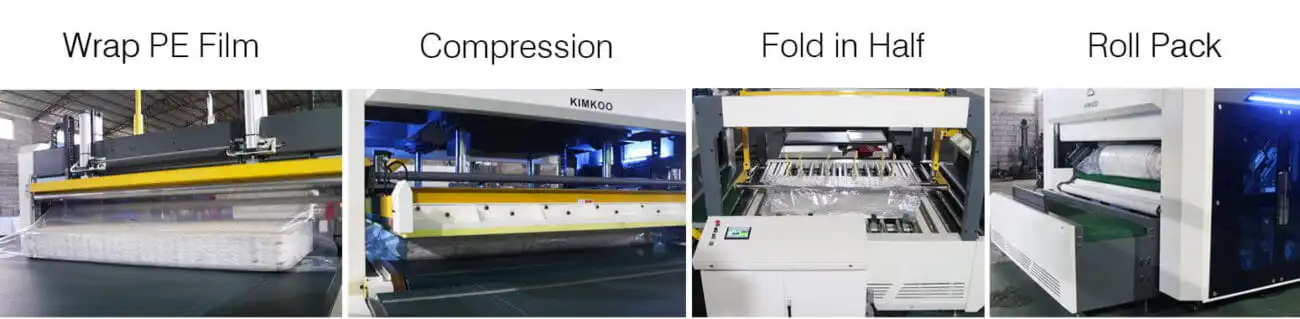
Auto Bagging & Sealing → Compression & Sealing → Folding (Edge Fold or Half-Fold) → Roll Packing (Adaptive Diameter)
Best for large manufacturing plants and high output.
Process:
Mattress automatically enters the auto-bagging station.
Machine wraps top and bottom film layers.
Front end heat-seals the PE film.
Mattress moves into the compression chamber → compressed and sealed.
Optional: fold edge OR half-fold for length reduction.
Auto roll-packing unit rolls the mattress with adaptive diameter control.
Finished roll automatically exits.
No manual lifting, no manual rolling — fully automated.
This keeps machine cost low but still delivers professional roll-packed results.
5. Alternative: No Compression, No Roll Packing (Bag-Only Packaging)
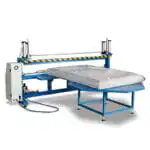
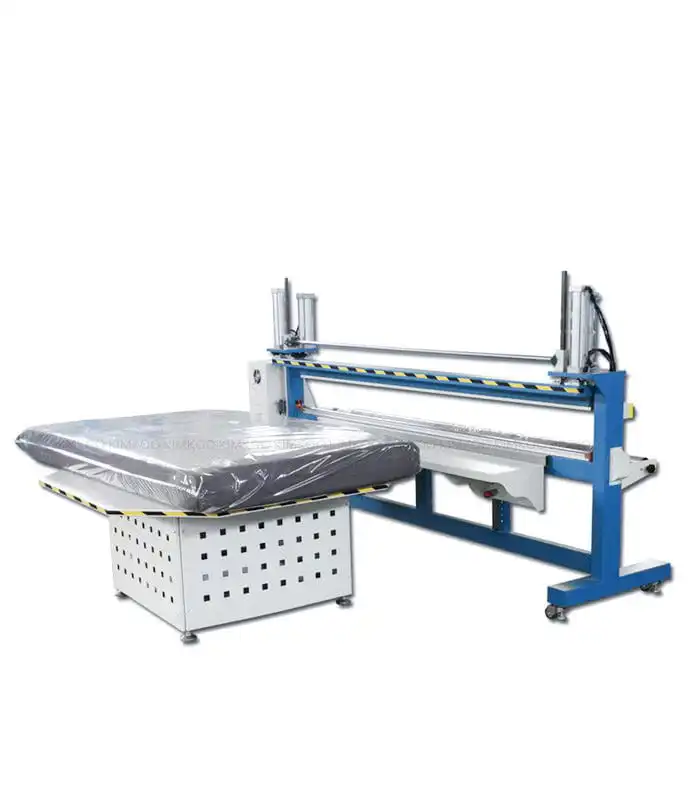
Some mattresses are not suitable for compression, or certain brands prefer to keep the mattress in its original, non-compressed appearance. For these cases, KIMKOO offers a dedicatedmattress sealing machine, available in both semi-automatic and fully automatic models.
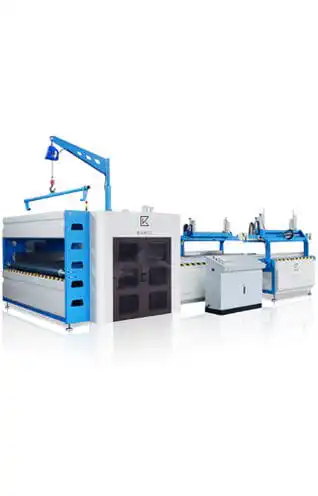
Automatic Mattress Sealing Machine
Semi-Automatic Mattress Sealing Machine
This machine loads a PE roll film into the system, automatically wraps the mattress, and performs heat sealing to form a fully enclosed protective bag. The mattress size remains unchanged—only the exterior receives a sealed PE film layer that protects it from dust, moisture, and scratches, making it ideal for storage, warehouse handling, and standard shipping.
How bag-only sealing works:
Load PE roll film into the machine.
Machine wraps the mattress with upper and lower film layers.
Front end performs heat sealing.
Mattress is conveyed downstream where both side widths are heat-sealed.
A fully enclosed, dust-proof, moisture-proof PE bag is formed.
This is ideal for:
High-end premium mattresses
Models with rigid internal structures
Products where “uncompressed appearance” is important
Storage and domestic shipping
6. Need to pack sofa, foam block, or oversized products?
If your production goes beyond mattresses — such as large foam blocks, rebond foam, or sofas — KIMKOO also provides large-format compression roll-packing machines.
Our latest model:
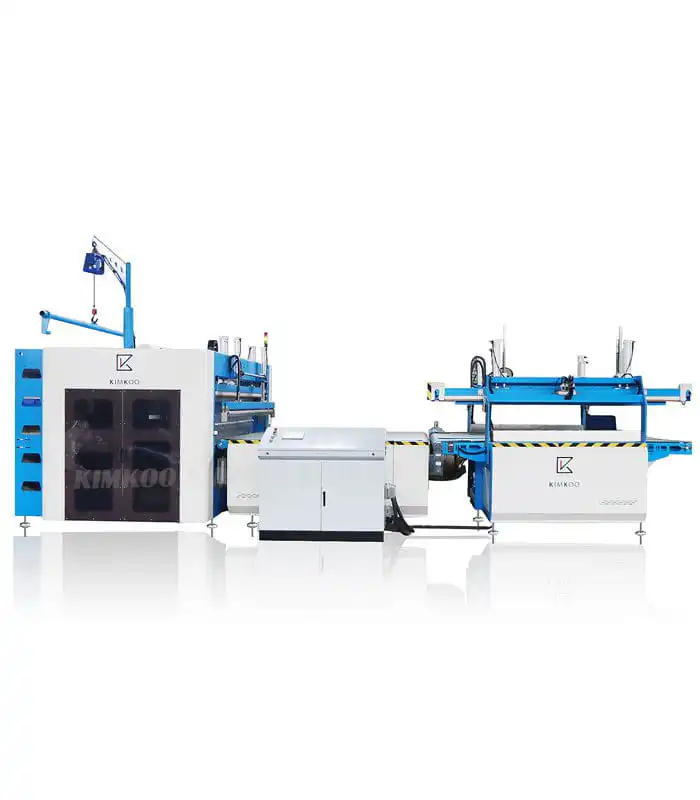
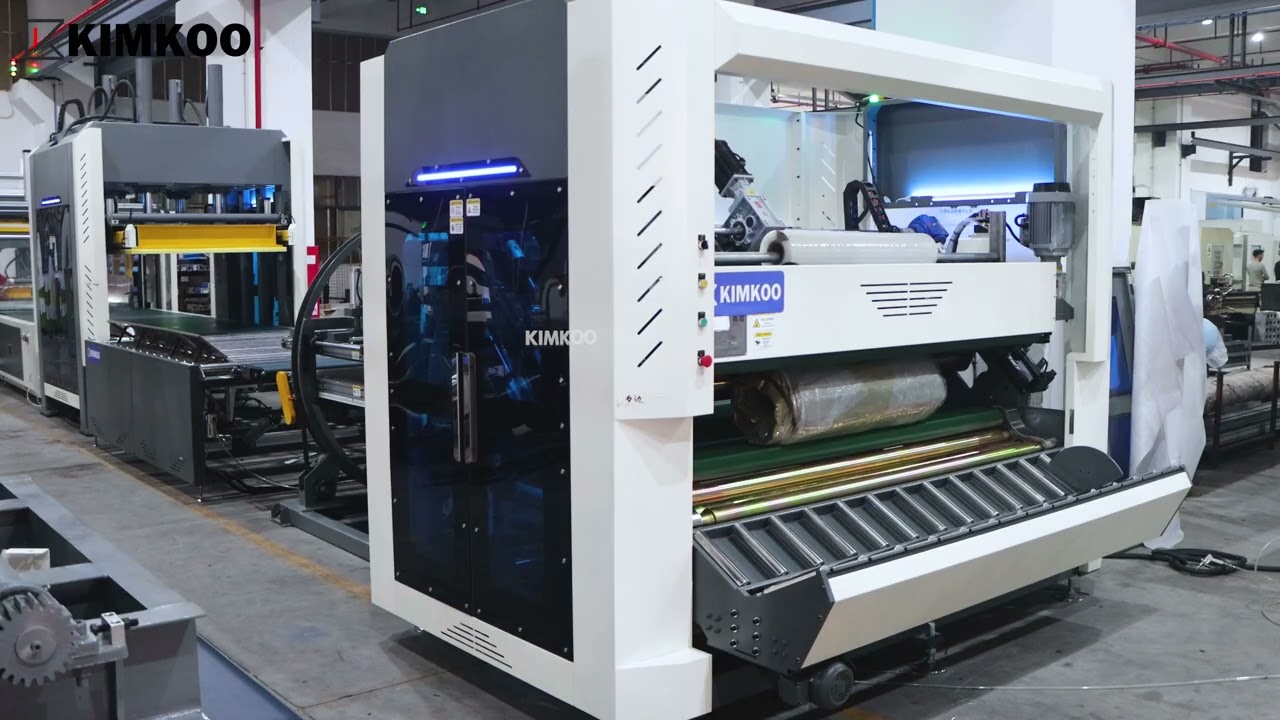
Full-Automatic Sofa, Foam & Mattress Compression Roll Packing Machine
Auto bagging
Compression sealing
Edge folding or half-fold
Roll packing (adaptive diameter)
Supports up to 1-meter height compression
Automatically identifies product size
Fastest & most intelligent packaging line in our lineup
This machine is not part of the mattress-only steps but is perfect for factories packaging multiple bulky, flexible items.
Final Summary & Industry Outlook
In summary, mattress-in-a-box packaging has become an industry standard for cost reduction, export efficiency, and scalable production. Whether a factory chooses full-automatic, semi-automatic, or economy configurations, the goal remains the same: to deliver compact, well-protected mattresses that travel efficiently through the global supply chain. KIMKOO Mattress Machinery, a leading mattress machine manufacturer, continues to support manufacturers worldwide with advanced packaging solutions, helping factories improve throughput, reduce labor costs, and stay competitive in the fast-growing boxed-mattress market.

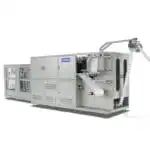
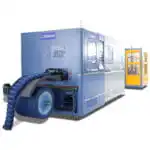
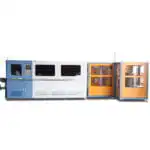
 KIMKOO offer multiple types of pocket spring assembly machines — some can connect with 2 coilers, and others up to 3. Freely combine with pocket spring coiling machines of different speeds. Easily set up a 1-to-1, 1-to-2, or 1-to-3 production line to match your capacity. Customize your setup today!






 Technical Support
 Services
 Custom Development Support
 FAQ
FAQ
