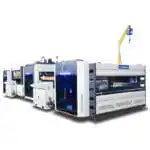
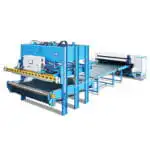
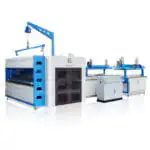
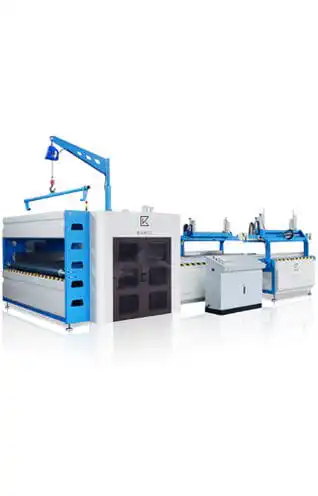
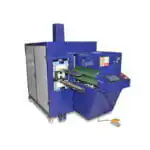
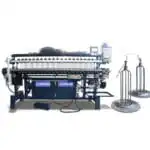
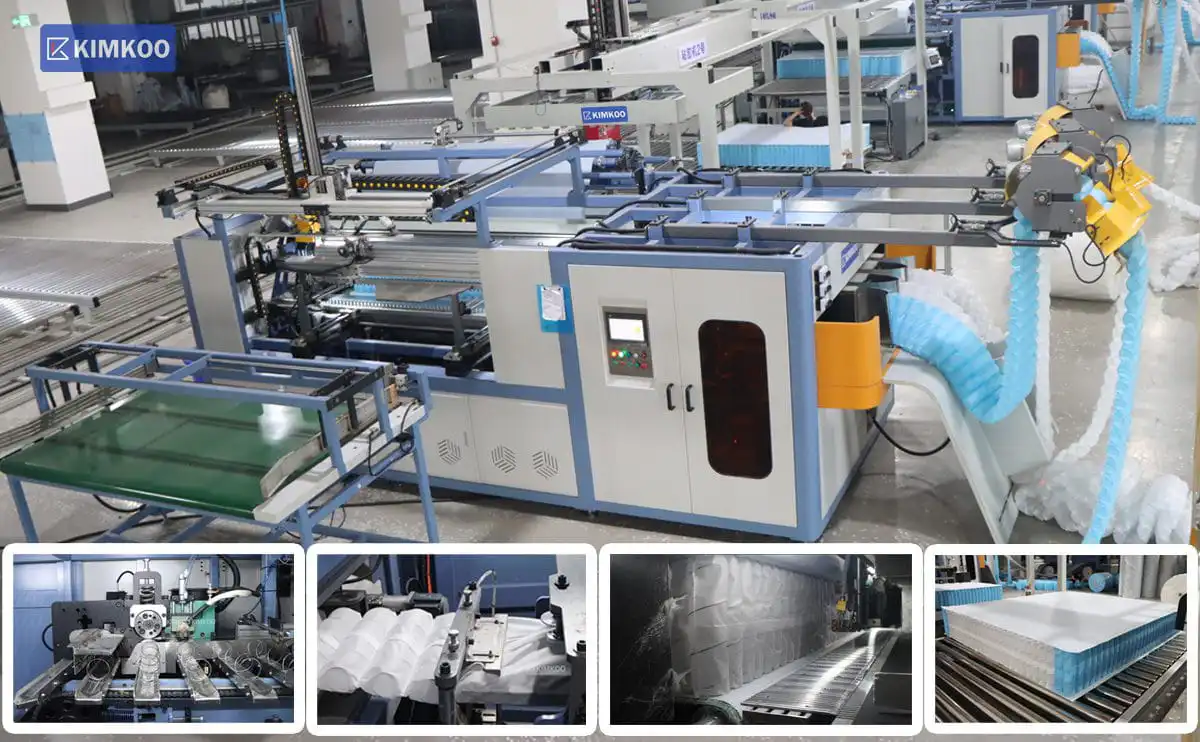
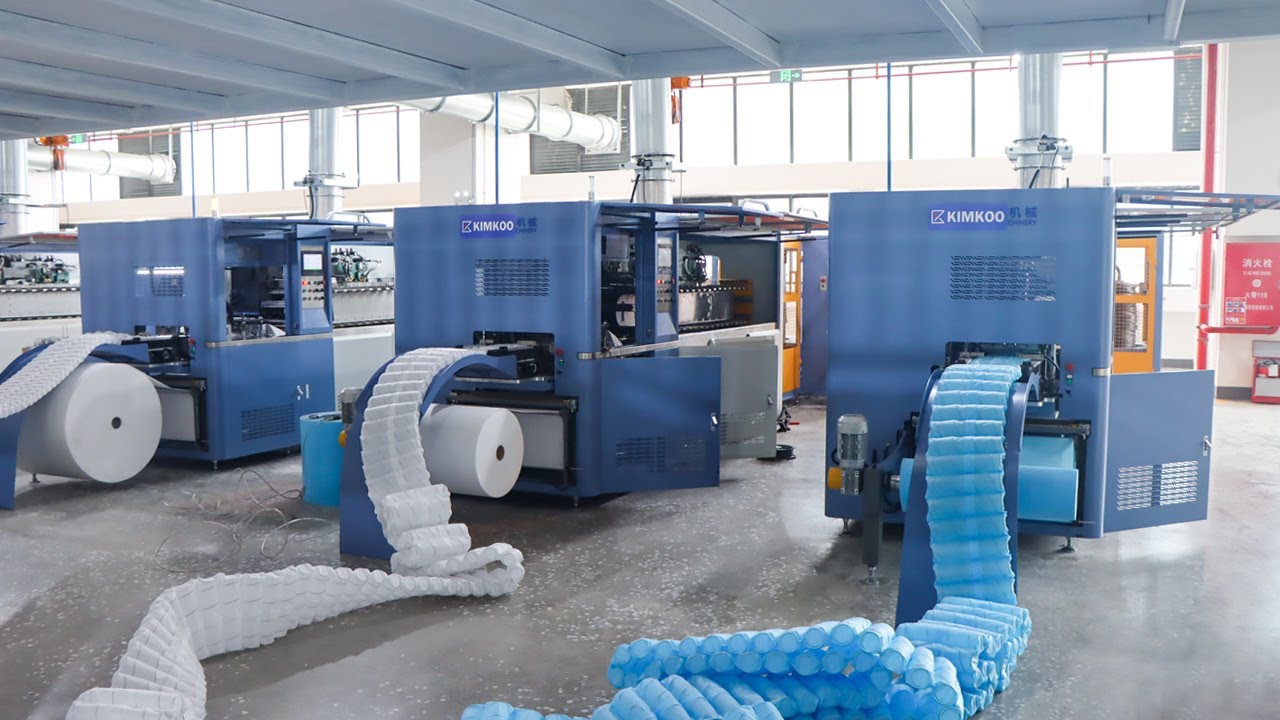
KIMKOO offer multiple types of pocket spring assembly machines — some can connect with 2 coilers, and others up to 3. Freely combine with pocket spring coiling machines of different speeds. Easily set up a 1-to-1, 1-to-2, or 1-to-3 production line to match your capacity. Customize your setup today!
Mattress Packaging Solutions Tailored to Your Needs
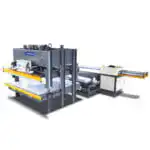
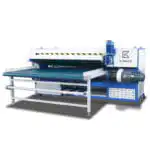
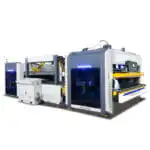
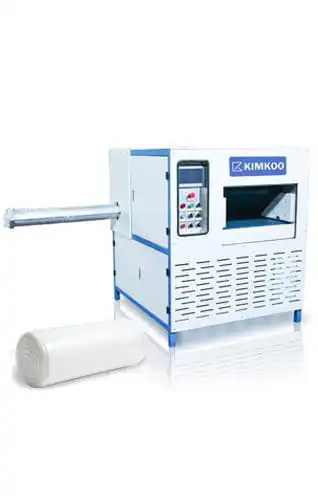
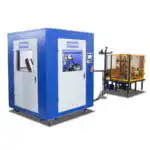
KIMKOO offers a versatile range of mattress packaging machines, with optional functions including auto bagging, compression, folding, and roll-packing. Whether you need to wrap, flatten, fold, or roll, our solutions help protect your mattresses, save space, and improve packaging efficiency. Designed to fit various mattress types and workflows.
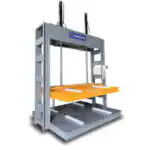
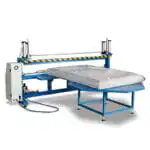
Compress & Roll Pack Sofas, Foam, and Mattresses with Ease
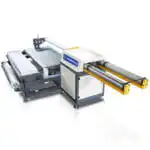
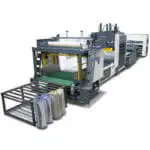
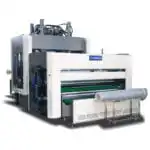
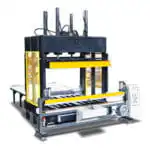
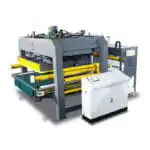
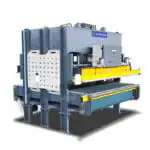
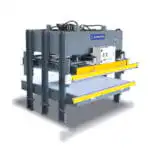
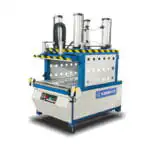
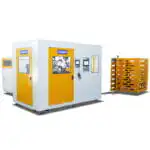
KIMKOO offers a full range of compression packing machines for sofas, foam blocks, layered foam, and resilient mattresses. Choose from fully automatic or semi-automatic models with functions like auto bagging, compression, sealing, folding, and roll-packing — all tailored to your packaging needs.
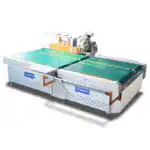
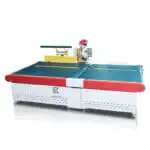
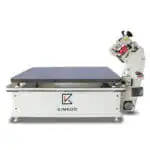
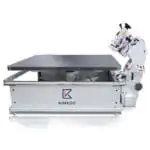
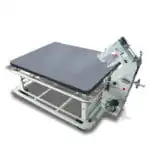
Precise and Durable Finishing with Mattress Tape Edge Machines
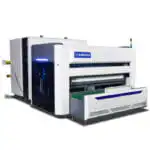
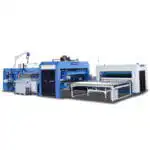
KIMKOO offers automatic and semi-automatic tape edge machines with chain or lock stitch options. Compatible with SINGER 300U, PFAFF 5625, and TYPICAL sewing heads for smooth, durable edge stitching across a wide range of mattress styles.
The modern mattress manufacturing process has undergone a massive transformation since the introduction of independent coil technology. Today, luxury and ergonomic comfort depend almost entirely on how a factory manages its mattress inner-spring production. In this guide, we will break down the journey from a single steel wire to a finished high-end mattress core.
1. What is the Pocket Spring Structure?
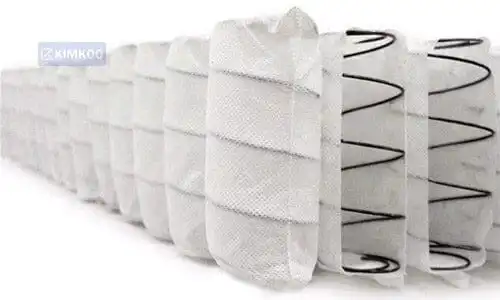
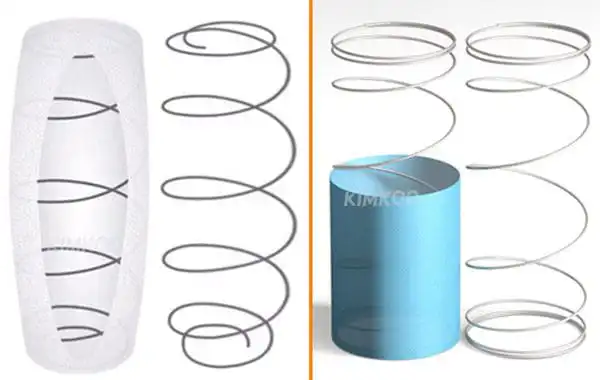
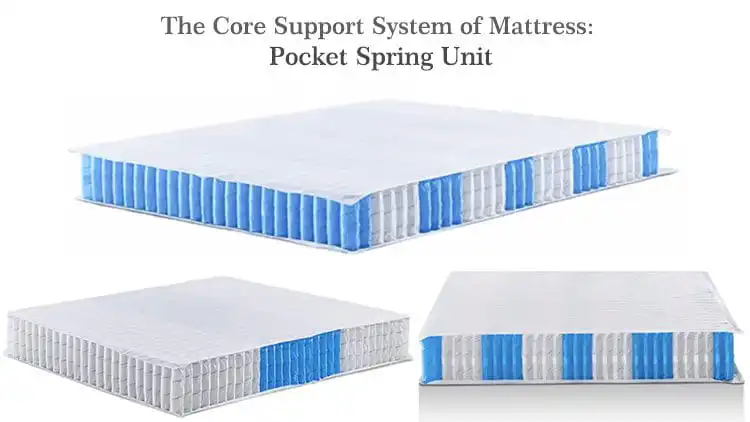
Before diving into the machinery, we must understand the pocket spring structure. Unlike traditional Bonnell springs, where wires are interconnected, each pocket spring is an individual entity. Manufacturers wrap each coil in a durable non-woven fabric.
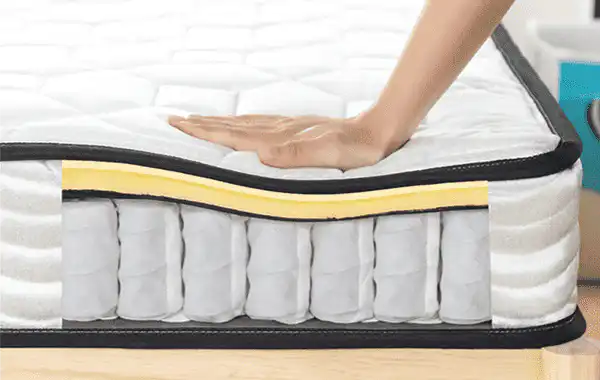
This independent design allows each spring to react only to the pressure applied directly to it. Consequently, this structure eliminates motion transfer—a key selling point for modern couples. If you want to produce these high-quality components, you need specialized pocket spring machines that can handle high-speed wrapping with precision.
2. How Pocket Springs are Made: The Coiling Phase
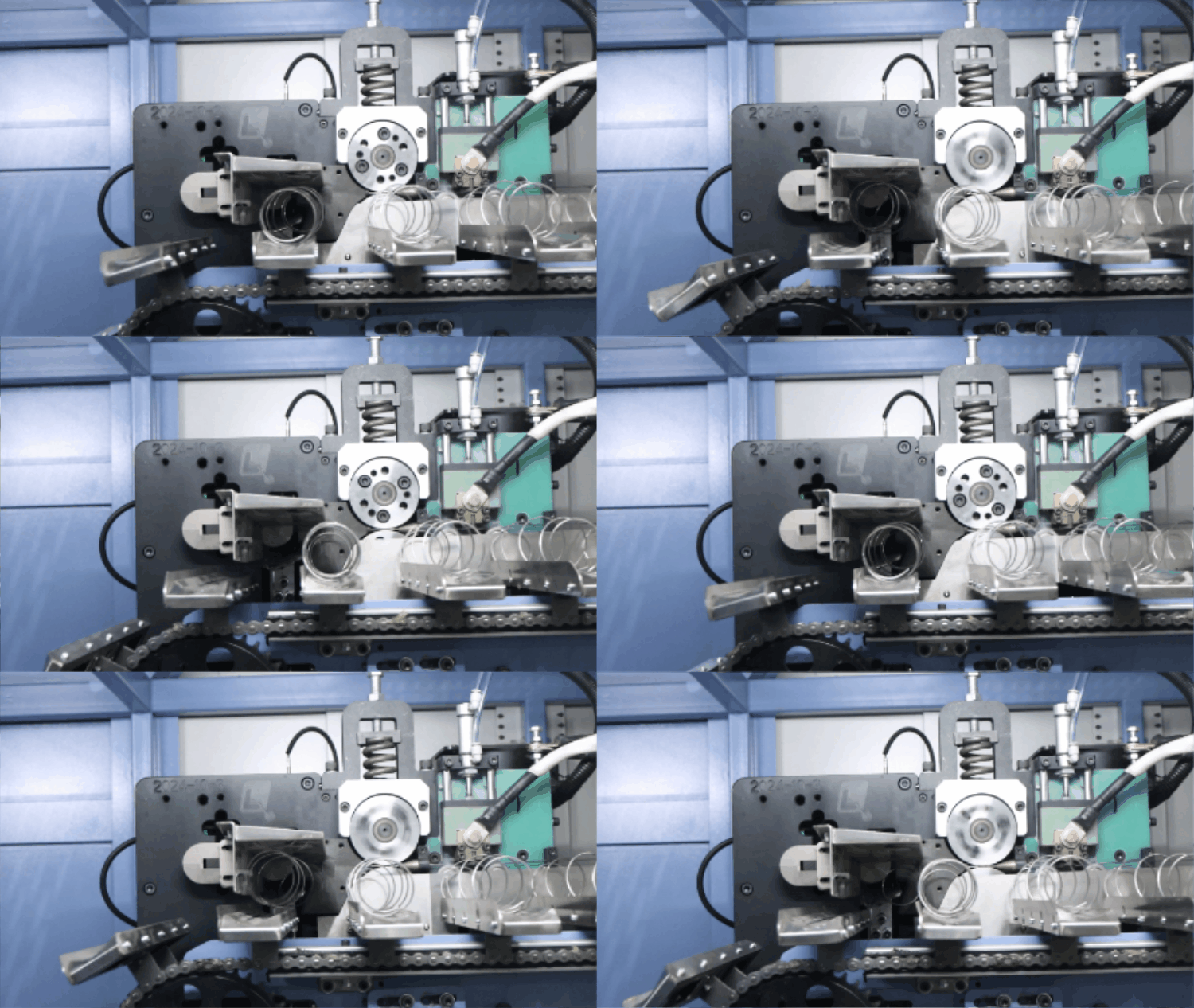
The first critical step in the mattress manufacturing process happens at the coiling stage. A pocket spring coiling machine takes raw steel wire and transforms it into a resilient coil.
However, high-quality production requires more than just bending wire. At KIMKOO, our advanced coiling technology incorporates a dual-stage heat treatment system. This process applies targeted electrical heating to the wire, which enhances the “memory” of the coil. As a result, the springs maintain their height and rebound force even after years of use.
Furthermore, the machine uses an ultrasonic bonding system to seal the non-woven fabric. This method creates clean, low-noise seams without wasting material. Because our coiling head is fully CNC-controlled, factories can achieve speeds of up to 180 springs per minute.
3. Why This Structure Enhances Comfort
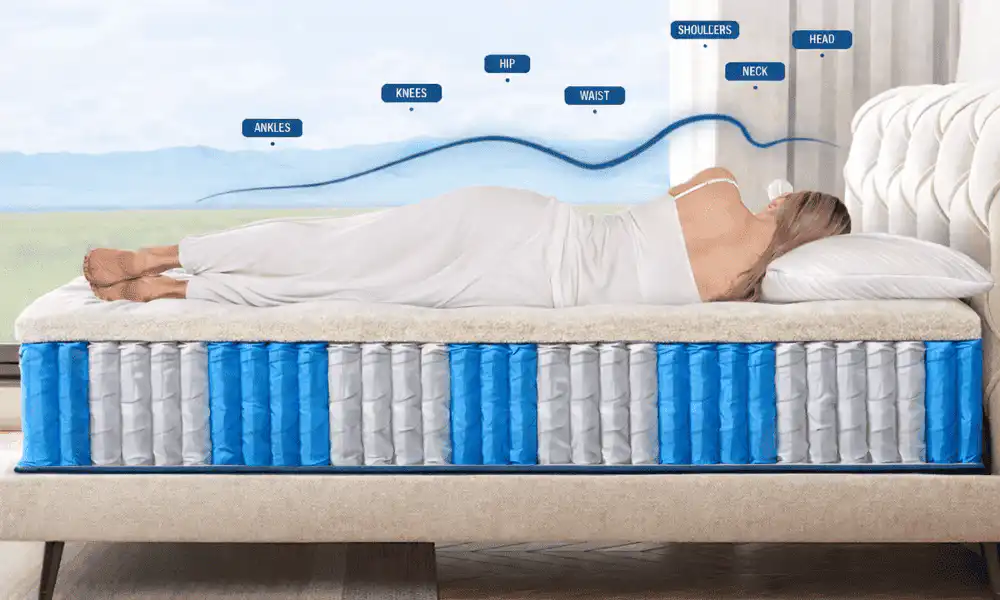
The comfort of a mattress depends on how the springs respond to the human body. Because the springs in a pocketed unit are not tied together, they conform to the body’s natural curves.
For instance, when a sleeper lies on their side, the springs under the shoulders and hips compress more deeply while the waist area remains supported. This targeted response is why mattress inner-spring production has shifted so heavily toward pocketed technology. It provides a level of pressure relief that Bonnell springs simply cannot match.
4. Advanced Zoning and Performance
One of the most exciting developments in the mattress manufacturing process is “intelligent zoning.” By using a pocket spring coiling machine with dual-wire capabilities, manufacturers can feed two different wire diameters into the same unit.
This allows the factory to create “firm” zones and “soft” zones within a single mattress. For example, the center of the mattress can use thicker wire to support the sleeper’s back, while the head and foot areas remain softer. This flexibility is essential for high-end ergonomic mattresses sold in e-commerce and retail.
5. Assembly: Combining the Core
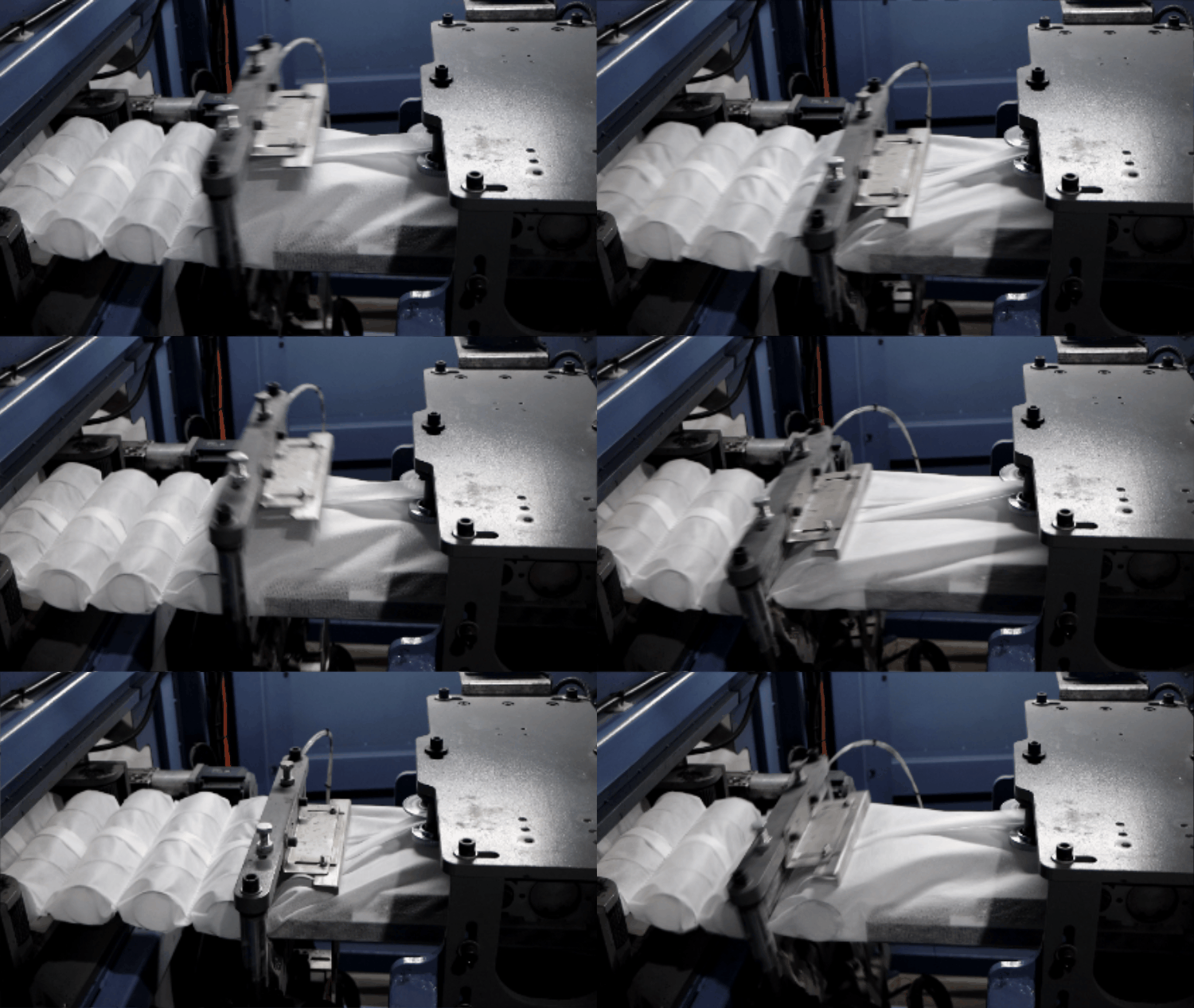
Once the individual springs are ready, they enter the assembly phase. The pocket spring assembly machine is responsible for bonding the rows of springs together using hot melt glue.
Modern assembly involves much more than just sticking rows together. Our equipment features servo-controlled multi-mode gluing. This technology allows for precise glue application—whether it is continuous or spot spraying—which can reduce glue consumption by up to 40%.
Moreover, the mattress manufacturing process for assembly can handle various configurations, such as parallel or nested layouts. A nested layout, where springs are arranged in a honeycomb pattern, increases the spring density and provides a firmer, more luxurious feel.
6. The Complete Mattress Manufacturing Process Breakdown
To summarize, the transition from raw materials to a finished core follows these steps:
Wire Feeding: High-tensile steel wire is fed into the coiling unit.
Heat Treatment: The wire is tempered to ensure long-lasting elasticity.
Coiling and Pocketing: The spring is formed and ultrasonically sealed in non-woven fabric.
Cooling: High-capacity fans stabilize the spring before it moves to the conveyor.
Row Formation: Springs are arranged into rows and cut to specific lengths.
Gluing and Bonding: The pocket spring assembly machine bonds the rows into a complete unit.
7. Efficiency and Stability in Production
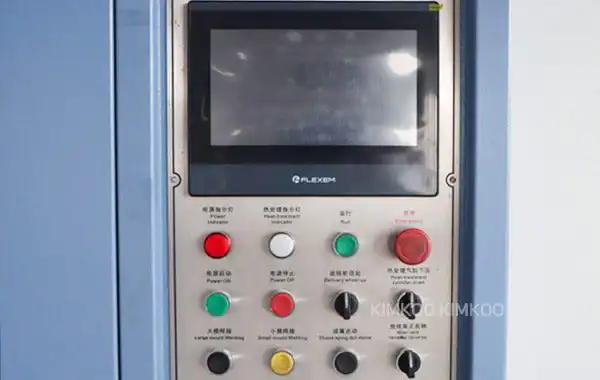
For factory owners, technology is the bridge between quality and profit. Although we utilize FLEXEM touchscreen interfaces and industrial-grade PLC systems (rather than Siemens for these specific models), the stability remains world-class.
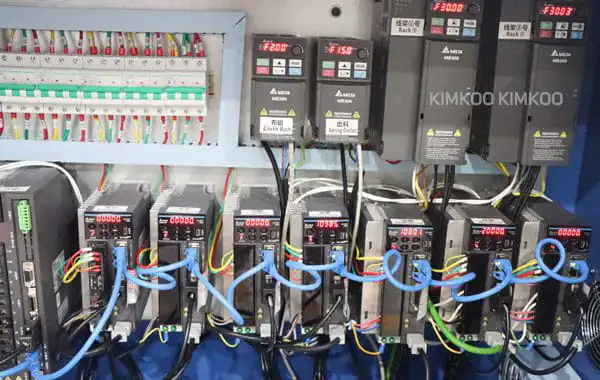
Integration of Delta servo drives and Airtac pneumatic elements ensures that the machinery can run for extended cycles with minimal maintenance. By automating the mattress manufacturing process, a single operator can manage multiple lines, significantly reducing labor costs while increasing throughput.
Empowering High-End Mattress Production
Understanding how pocket springs are made is the first step toward building a successful mattress brand. Since 2008, KIMKOO has focused on refining these mechanical processes to help manufacturers produce superior products. If you are looking to optimize your mattress inner-spring production or streamline your assembly workflow, choosing a partner with proven engineering expertise is critical. Let’s work together to bring precision and efficiency to your factory floor.

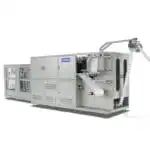
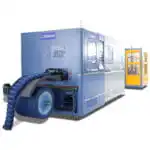

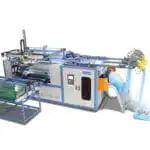
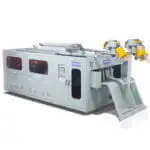
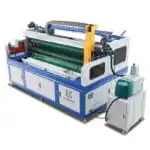
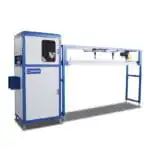
 KIMKOO offer multiple types of pocket spring assembly machines — some can connect with 2 coilers, and others up to 3. Freely combine with pocket spring coiling machines of different speeds. Easily set up a 1-to-1, 1-to-2, or 1-to-3 production line to match your capacity. Customize your setup today!






 Technical Support
 Services
 Custom Development Support
 FAQ
FAQ
