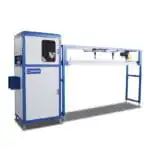
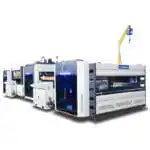
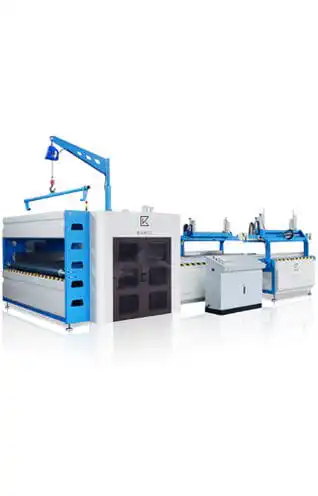
KIMKOO offer multiple types of pocket spring assembly machines — some can connect with 2 coilers, and others up to 3. Freely combine with pocket spring coiling machines of different speeds. Easily set up a 1-to-1, 1-to-2, or 1-to-3 production line to match your capacity. Customize your setup today!
Mattress Packaging Solutions Tailored to Your Needs
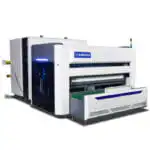
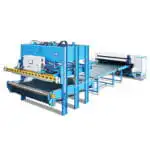
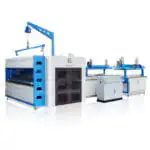
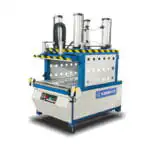
KIMKOO offers a versatile range of mattress packaging machines, with optional functions including auto bagging, compression, folding, and roll-packing. Whether you need to wrap, flatten, fold, or roll, our solutions help protect your mattresses, save space, and improve packaging efficiency. Designed to fit various mattress types and workflows.
Compress & Roll Pack Sofas, Foam, and Mattresses with Ease
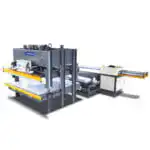
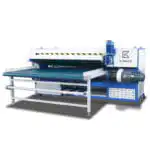
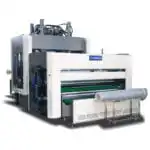
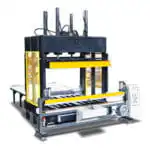
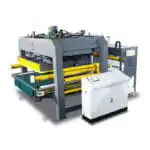
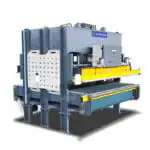
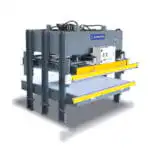
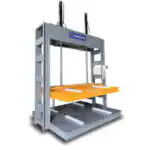
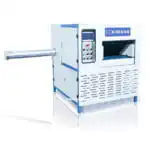
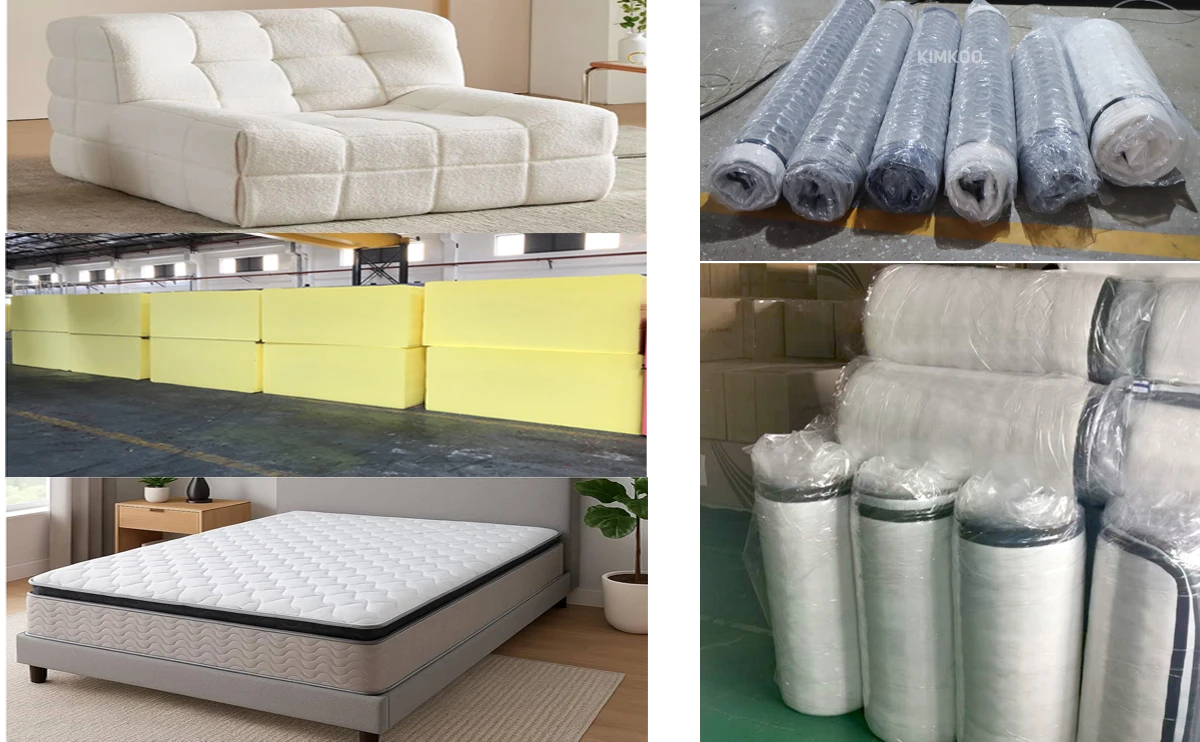
KIMKOO offers a full range of compression packing machines for sofas, foam blocks, layered foam, and resilient mattresses. Choose from fully automatic or semi-automatic models with functions like auto bagging, compression, sealing, folding, and roll-packing — all tailored to your packaging needs.
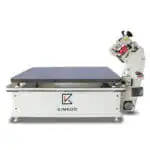
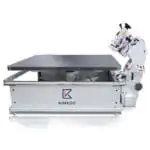
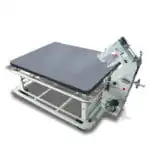
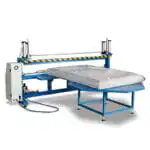
Precise and Durable Finishing with Mattress Tape Edge Machines
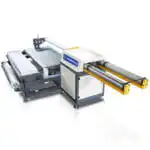
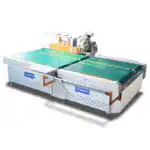
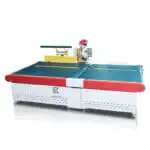
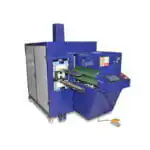
KIMKOO offers automatic and semi-automatic tape edge machines with chain or lock stitch options. Compatible with SINGER 300U, PFAFF 5625, and TYPICAL sewing heads for smooth, durable edge stitching across a wide range of mattress styles.
KIMKOO offer multiple types of pocket spring assembly machines — some can connect with 2 coilers, and others up to 3. Freely combine with pocket spring coiling machines of different speeds. Easily set up a 1-to-1, 1-to-2, or 1-to-3 production line to match your capacity. Customize your setup today!
Mattress Packaging Solutions Tailored to Your Needs
KIMKOO offers a versatile range of mattress packaging machines, with optional functions including auto bagging, compression, folding, and roll-packing. Whether you need to wrap, flatten, fold, or roll, our solutions help protect your mattresses, save space, and improve packaging efficiency. Designed to fit various mattress types and workflows.
Compress & Roll Pack Sofas, Foam, and Mattresses with Ease
KIMKOO offers a full range of compression packing machines for sofas, foam blocks, layered foam, and resilient mattresses. Choose from fully automatic or semi-automatic models with functions like auto bagging, compression, sealing, folding, and roll-packing — all tailored to your packaging needs.
Precise and Durable Finishing with Mattress Tape Edge Machines
KIMKOO offers automatic and semi-automatic tape edge machines with chain or lock stitch options. Compatible with SINGER 300U, PFAFF 5625, and TYPICAL sewing heads for smooth, durable edge stitching across a wide range of mattress styles.
Why Foam Block Packaging Matters in Modern Manufacturing
In foam manufacturing, sofa production, and mattress exporting industries, one of the biggest hidden problems is not production itself—but logistics. Foam materials such as foam blocks, stacked foam layers, and foam-based furniture components are lightweight, but extremely bulky. This creates a serious challenge during storage, transportation, and international shipping.
Without proper packaging, foam products occupy excessive warehouse space and significantly increase shipping costs, especially in global trade where freight charges are often calculated based on volume rather than weight. In many cases, companies are literally paying to ship air.
This is why foam block packaging has become an essential process in modern production lines. A well-designed packaging process not only protects products from dust, moisture, and deformation, but also helps manufacturers optimize logistics efficiency and reduce overall operational costs.
Traditional Foam Packaging Methods and Their Limitations
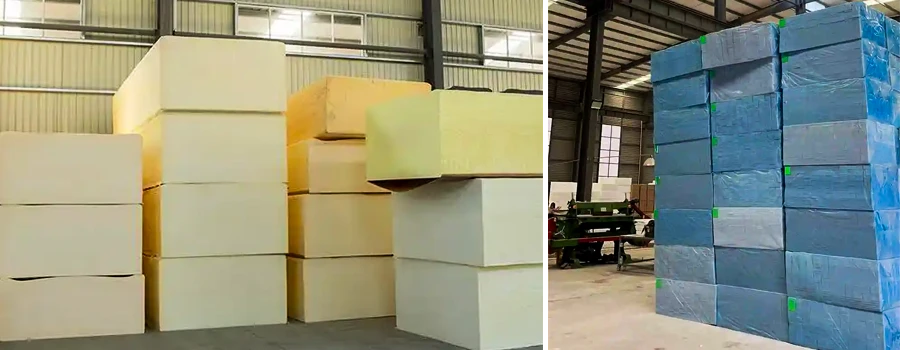
In many factories, foam block packing still relies on a basic and manual method: PE film wrapping. This process involves wrapping foam blocks or foam sheets with PE film or similar protective materials to provide basic protection against dust and moisture during storage or transportation.
In some cases, this is considered “finished packaging.” It is simple, low-cost, and easy to operate, which is why it is still widely used in small workshops or low-volume production environments.
However, when it comes to large-scale manufacturing or export-oriented production, this traditional foam packaging process has clear limitations. While PE wrapping can protect the surface, it does nothing to reduce volume. The foam remains in its original bulky form, which leads to inefficient warehouse utilization and high shipping costs.
As global logistics become more competitive, manufacturers are increasingly seeking more advanced Foam Packaging Guide solutions that go beyond basic wrapping.
The Shift Toward Modern Foam Compression Packaging
With the development of automation technology, foam compression packaging has become the new standard for high-efficiency manufacturing environments. Unlike traditional methods, compressed foam packaging focuses not only on protection but also on volume reduction.
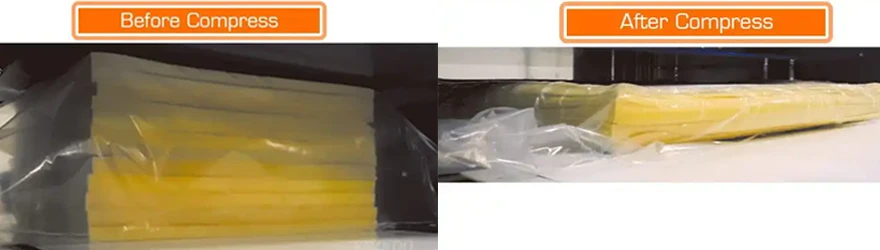
Through hydraulic compression and automated wrapping systems, foam products can be compressed and sealed into compact cylindrical or flat packages. This process significantly reduces storage space and transportation volume—often by up to 80% or more.
Modern systems are no longer limited to foam blocks alone. Advanced equipment can handle foam blocks, sofas, stacked foam layers, and mattresses, as long as the material has elasticity and rebound capability. This flexibility makes compression packaging a universal solution for foam-based industries.
Step-by-Step Foam Block Packaging Process in Modern Production
To understand how to package foam blocks in a professional environment, it is important to look at the industrial process rather than manual wrapping.
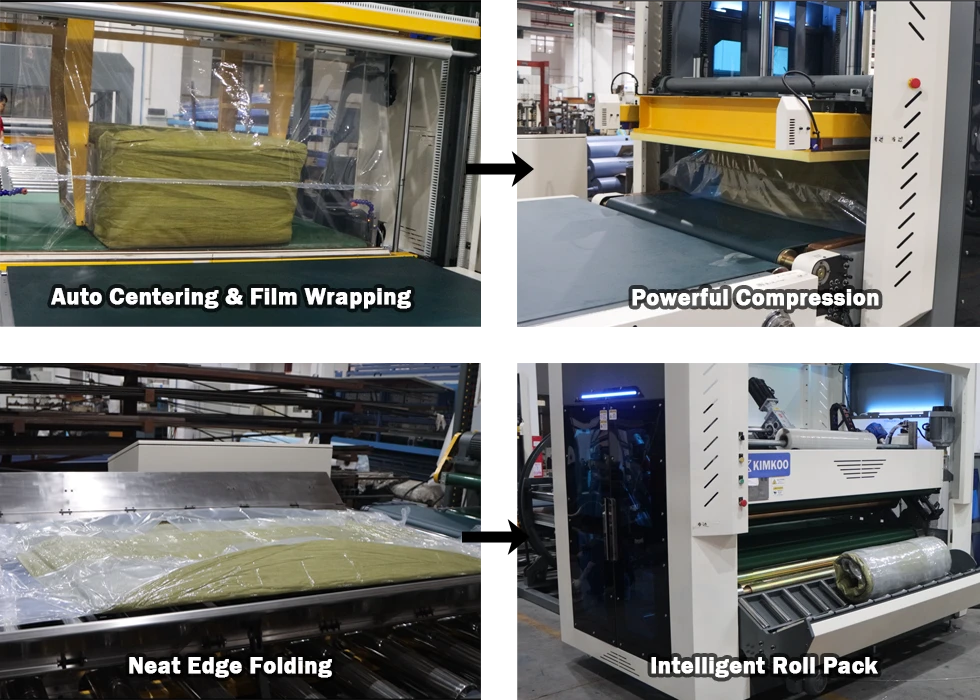
The process typically begins with product positioning, where foam blocks or assembled foam materials are placed into the machine. The system then automatically centers the product to ensure even pressure distribution during compression.
Next, the foam block packing process enters the compression stage. Hydraulic systems apply strong and uniform pressure to compress the material into a compact form. This step is critical because it determines the final volume reduction efficiency and packaging stability.
After compression, the system automatically wraps the product using PE film or protective packaging materials. In advanced setups, this step may include multi-layer wrapping for better protection and stability during long-distance transport.
Finally, the product is sealed and, in many systems, rolled into a cylindrical package for easier handling and shipping. This complete foam packaging process ensures that products are not only protected but also optimized for logistics efficiency.
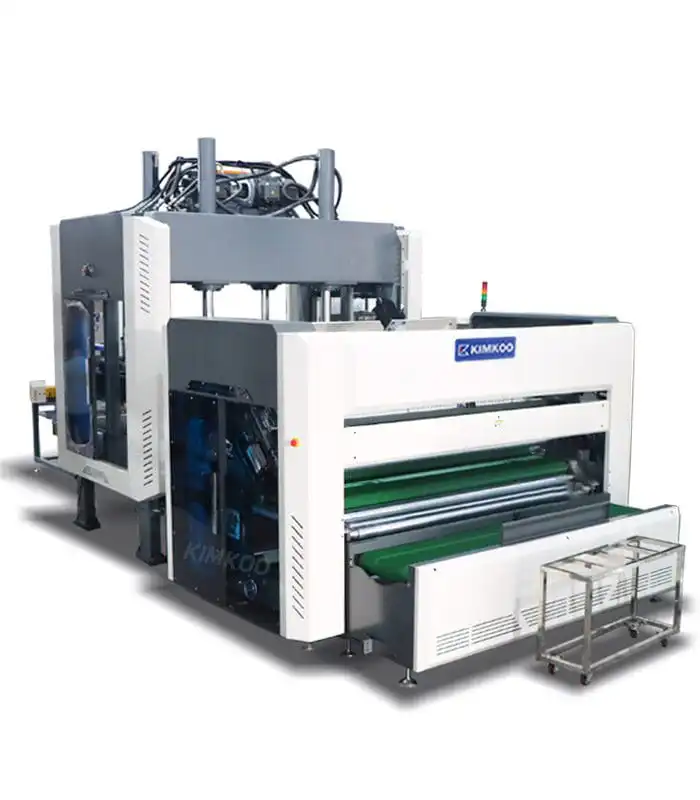
To achieve consistent results in modern production environments, manual labor is no longer sufficient. This is where automated systems such as the foam block compression machine play a crucial role in transforming traditional packaging workflows into fully automated production lines.
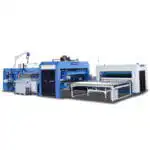
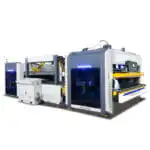
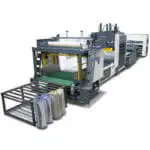
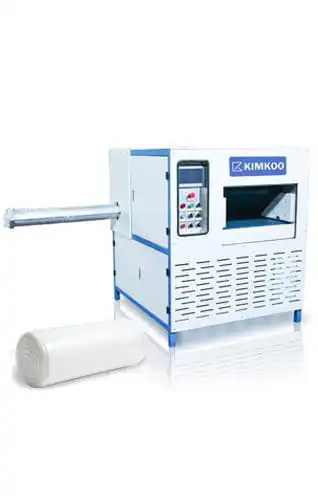
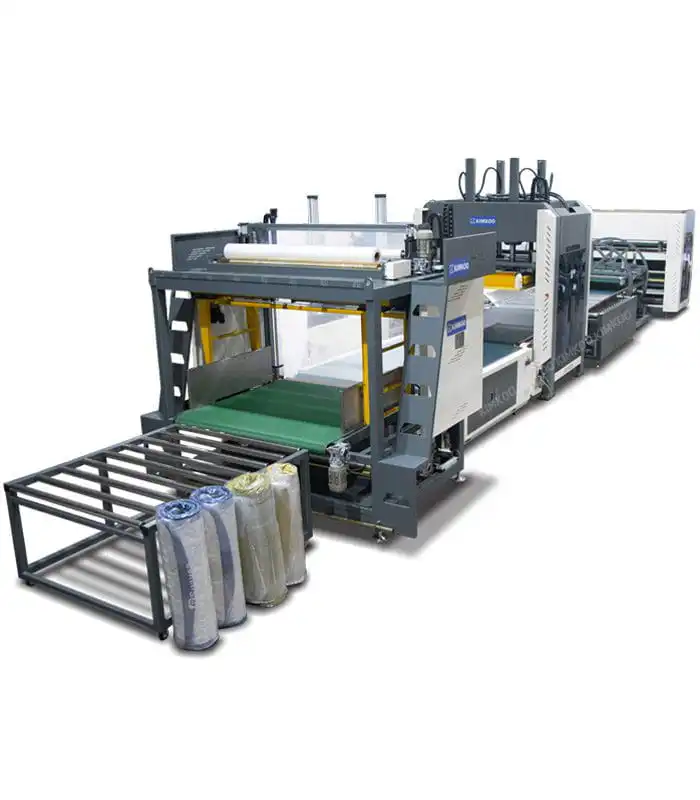
These systems are designed to integrate multiple processes including bagging, hydraulic compression, edge folding, and roll packaging into a continuous automated workflow. With high-pressure compression technology and intelligent control interfaces, manufacturers can achieve stable packaging quality while significantly reducing labor dependency.
In advanced systems, compression force can reach up to 100 tons, allowing foam products to be reduced in volume by up to 80%. Combined with automatic film wrapping and sealing systems, the final package becomes compact, stable, and ready for global shipment.
For factories handling high-volume production, a foam packing machine provides a complete solution for improving efficiency, reducing logistics costs, and standardizing packaging output across different foam products.
This level of automation transforms foam block packaging from a simple manual task into a highly efficient industrial process.
From Basic Packaging to Intelligent Foam Packaging Systems
The evolution of foam block packaging reflects the broader transformation of the manufacturing industry. What once was a simple PE wrapping process has now become a fully automated Foam
The evolution of foam block packaging reflects the broader transformation of the manufacturing industry. What once was a simple PE wrapping process has now become a fully automated Foam Compression Packaging solution designed for efficiency, cost reduction, and global logistics optimization.
Understanding how to pack foam blocks today means understanding not only the packaging method itself, but also the technology behind it. From Foam Block Packing Process to Compressed Foam Packaging, modern factories are shifting toward intelligent systems that maximize productivity and minimize waste.
For manufacturers dealing with large volumes of foam-based products, upgrading to automated foam packaging solutions is no longer optional—it is a necessary step toward competitiveness in the global market. Kimkoo Mattress Machinery offers advanced foam packaging systems that integrate compression, bagging, and roll-packing, helping factories achieve consistent quality, save space, and reduce logistics costs.

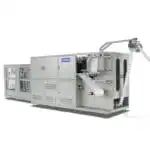
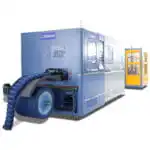
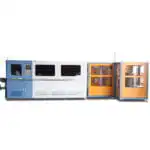
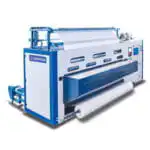
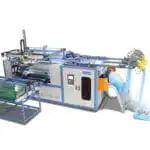
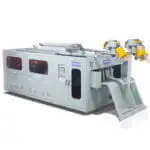
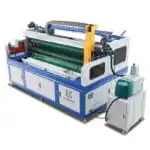
 KIMKOO offer multiple types of pocket spring assembly machines — some can connect with 2 coilers, and others up to 3. Freely combine with pocket spring coiling machines of different speeds. Easily set up a 1-to-1, 1-to-2, or 1-to-3 production line to match your capacity. Customize your setup today!





 Technical Support
 Services
 Custom Development Support
 FAQ
FAQ
